As my weekend winds down, I finally crossed a long-neglected project off my Pinterest-inspired to-do list – Hand Sanitizer Bathroom Passes!
The idea came from another teacher at my school who, admittedly, might win the title of “Most Dedicated Germ Fighter.” She’s the queen of cleanliness, a devoted germaphobe, and rarely goes anywhere without a little bottle of sanitizer at the ready. When I saw her using hand sanitizer bathroom passes, I knew I had to try it.
Why? Because in kindergarten, hand hygiene can be… let’s just say inconsistent. Many of my sweet students “forget” to wash their hands, and sometimes I’m lucky if they remember to flush. If carrying a hand sanitizer bottle as their hall pass reminds them to actually use some before they return, that’s a win in my book.
My classroom doesn’t have an attached bathroom, so students have to travel a short distance in the hallway to get there. These sanitizer passes serve as a portable reminder that washing and sanitizing are essential parts of the bathroom routine.
The system is simple:
- Each student takes the sanitizer bottle with them as their “pass.”
- When they return, they use a pump or two before rejoining the group.
- When bottles run low, I simply refill them from a large jug. No reprinting, no relabeling, no extra hassle.

If you’d like to try this in your own classroom, I’ve created a set of free printable labels to make your hand sanitizer bathroom passes look fun and official. Just fill out the form below, and you’ll get instant access.
Taking Hand Hygiene a Step Further: A Fun Germ Experiment for Kindergarten
While a hand sanitizer bathroom pass is a great daily reminder, I also like to teach students why clean hands are important. And what better way than a hands-on science experiment?
Here’s a simple and engaging activity to visually show how germs spread:
Materials:
- 3 slices of bread (fresh, white bread works best)
- 3 sandwich bags
- Hand sanitizer
- Permanent marker
Instructions:
- Label your bags: “Clean Hands,” “Dirty Hands,” and “Hand Sanitizer.”
- Have one student (or yourself) wash their hands thoroughly and touch the first slice of bread. Place it in the “Clean Hands” bag.
- Have a few students touch the second slice of bread with hands that haven’t been washed—this goes in the “Dirty Hands” bag.
- For the third slice, have students use hand sanitizer before touching it. Place the bread in the “Hand Sanitizer” bag.
- Seal all bags and tape them in a visible location in the classroom.
- Over the next couple of weeks, observe what happens. Students will notice that mold growth appears more quickly in the “Dirty Hands” bread, and much slower (if at all) in the clean and sanitized slices.
This experiment is a powerful visual reminder that germs are real, even if we can’t see them without a microscope, and that washing and sanitizing make a huge difference.
Recommended Books About Germs for Young Learners
Pairing this experiment with some read-alouds can make the lesson even more meaningful. Here are a few kindergarten-friendly books that explain germs in an engaging, age-appropriate way:
- “Germs Are Not for Sharing” by Elizabeth Verdick – A simple, direct book that helps little ones understand the importance of covering coughs, washing hands, and keeping germs to themselves.
- “Do Not Lick This Book” by Idan Ben-Barak – A fun, interactive journey where kids “meet” microbes and learn just how small and everywhere they really are.
- “Sick Simon” by Dan Krall – A silly story that follows Simon, who learns the hard way about sharing germs and why that’s not such a great idea.
Why Hand Sanitizer Bathroom Passes Work
The hand sanitizer bathroom pass system is so easy to implement, but it’s more than just a clever Pinterest idea. It helps:
- Promote hygiene habits in a subtle, non-disruptive way.
- Minimize germ spread in the classroom during cold and flu season.
- Give students a visual and physical reminder that clean hands are part of their daily routine.
When combined with an engaging science experiment and a few great books, you’re not just enforcing rules, you’re building a foundation of health awareness that students will carry with them far beyond kindergarten.
Sometimes, the simplest ideas make the biggest impact. And in this case, a little bottle of hand sanitizer might just be the unsung hero of your classroom.
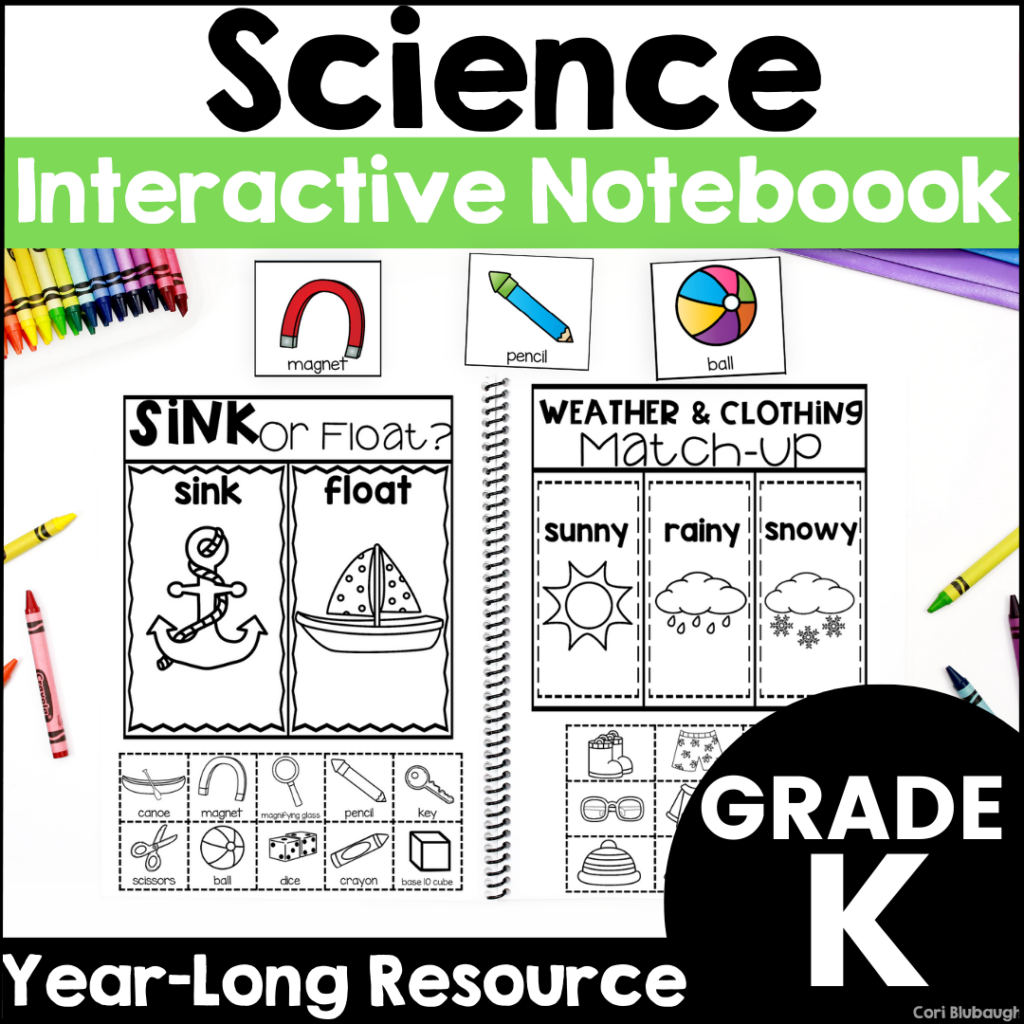
If you’re interested in more science activities, check out the science category on my blog and the resources below: