Cross-curricular themes are one of the most effective ways to plan engaging, meaningful lessons around a central topic. When I use thematic planning in my classroom, it helps me organize my curriculum to build vocabulary and deepen my students’ understanding of a specific concept across multiple subjects.
It also keeps my lesson planning organized and much more manageable throughout the entire year. Today I’m going to show you exactly how I plan to use cross-curricular, theme-based instruction!
Choosing a Theme
I choose all my cross-curricular themes before the school year even starts. I match up my themes to holidays, seasons, etc., and look for topics that I know my students will be interested in.
Check out my giant list of themes that will help you come up with ideas for your own class. This list will also help narrow down the topics that you love to teach!
Gather Your Materials
Once you have settled on a theme for the week, check your classroom for materials related to that theme. Some places to check:
- School bought curriculum
- TPT curriculum or supplemental materials
- Books in your library
- Pinterest ideas
- Current art supplies
- Manipulatives
- Science experiment materials
If you’re just starting out, this list might be small, but it will grow each year! I usually make a wish list at this time as well. I look to see if any of the subjects need a little more material to beef up the topic, like new books or science equipment.
Standards
My next step is to review the standards I am currently working on with the class and align my lesson planning with the theme.
For example, if we are working on procedural writing, and my theme is plants, we would do a procedural writing activity on how to plant a seed.
This is also a great time to incorporate the NGSS (Next Generation Science Standards). Using plants as an example, I could work on the kindergarten NGSS standards on shade structures to protect plants that can’t be exposed to full sun.
Plan Your Subjects by Cross-Curricular Themes
Here is an example of resources I would use for my plants theme:
Language Arts
I would probably be doing this theme in Spring, so we would be working on building our vocabulary and taking a deep dive into non-fiction text features. Here are a couple of books I would use during the week:
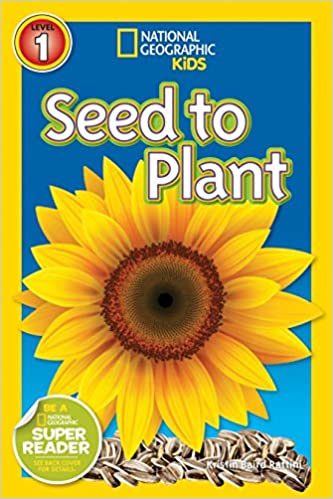
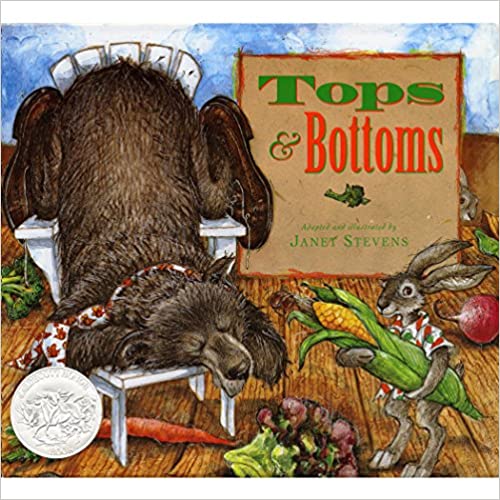
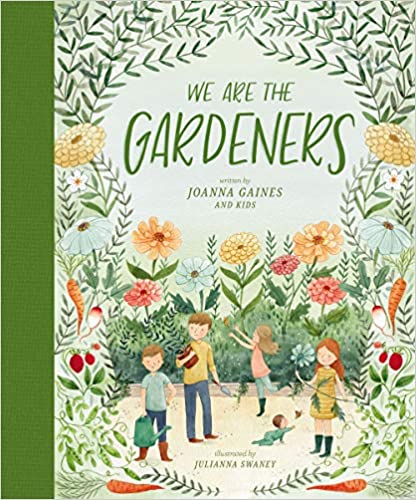
You can find a link to these books on my science book recommendation page. I also have lots of social studies book recommendations for you!
Math
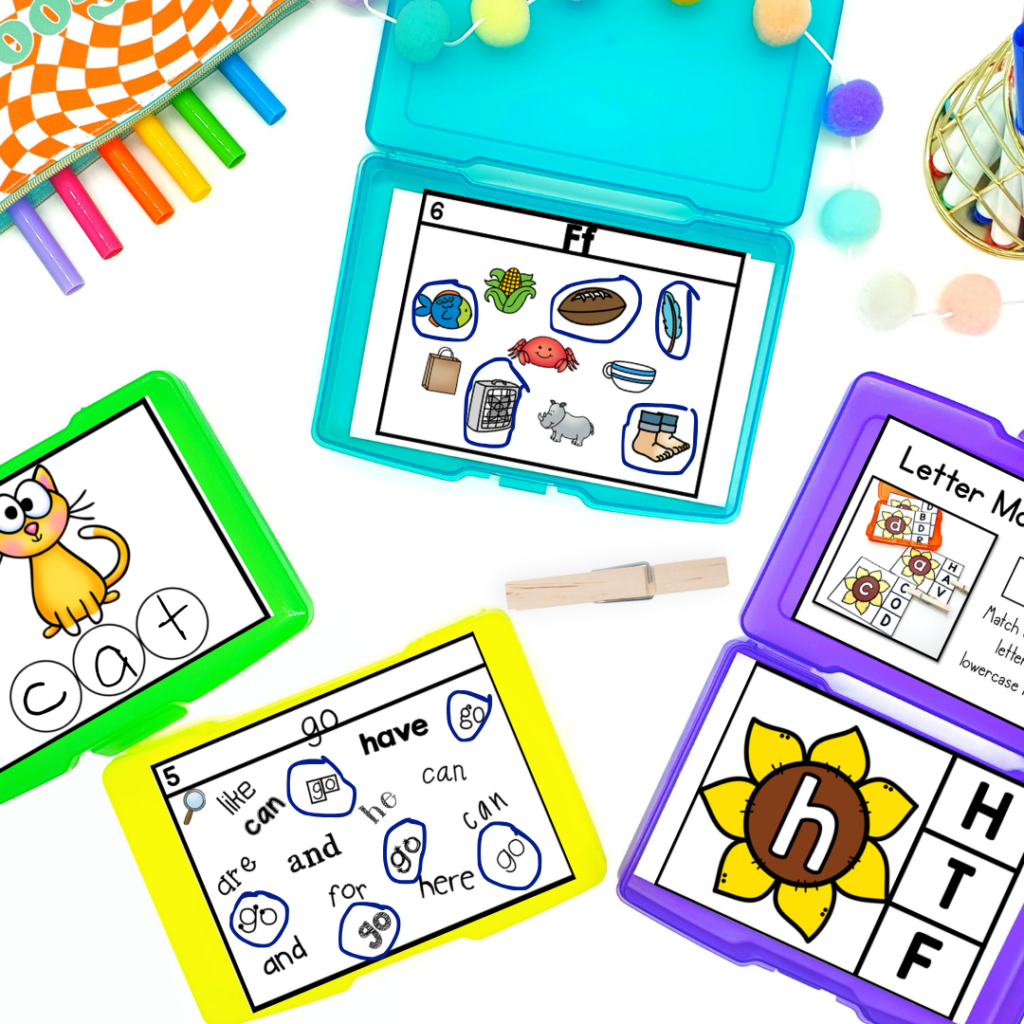
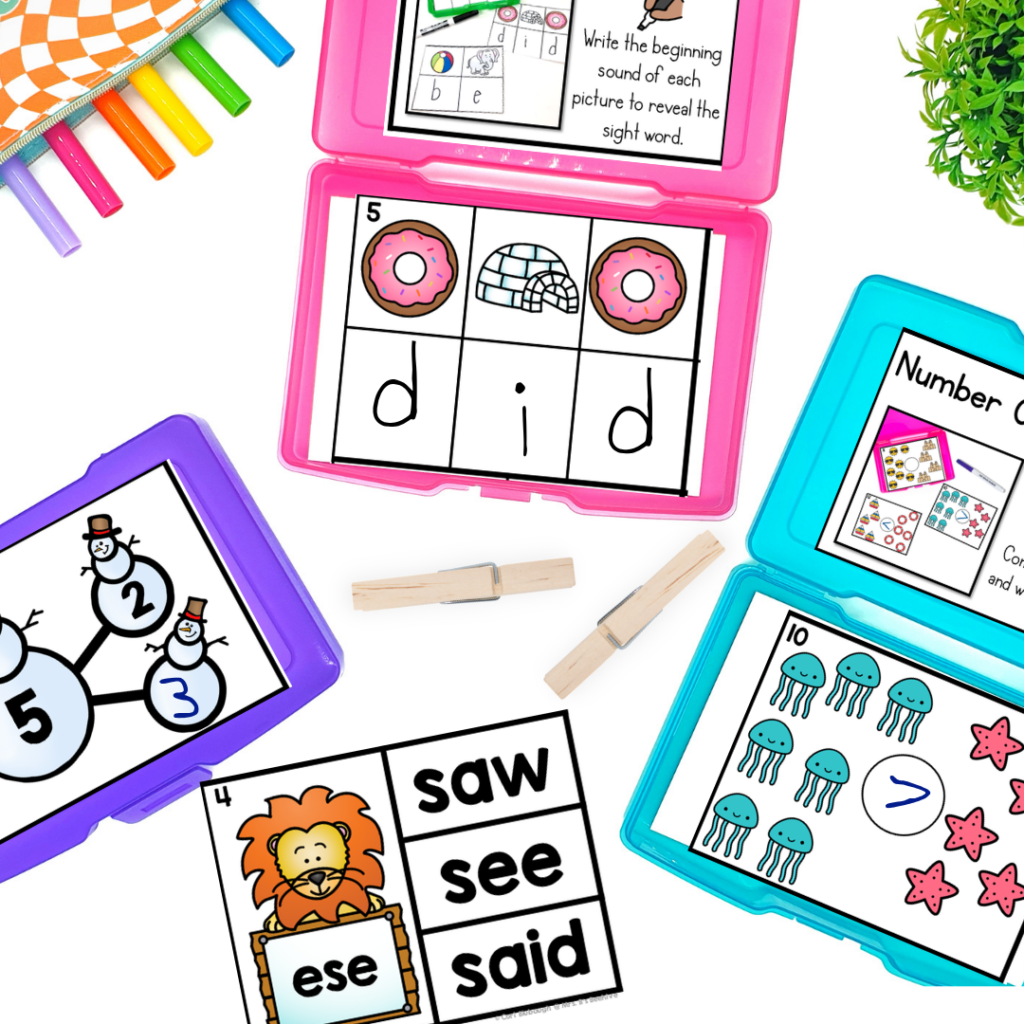
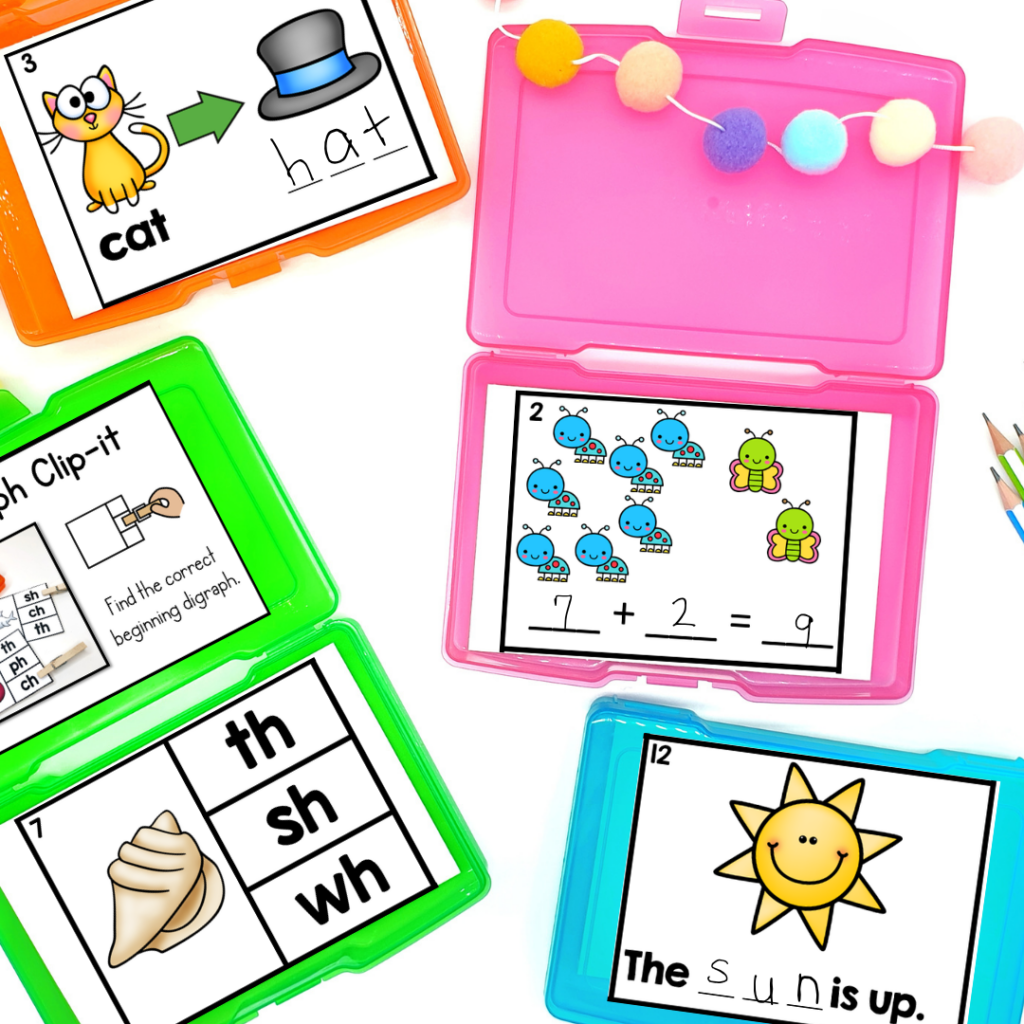
When planning math themes, I don’t make many changes to my regular math curriculum. I incorporate my math themes during center time, with manipulatives (like Target erasers) and in my early finisher work.
Science and Social Studies
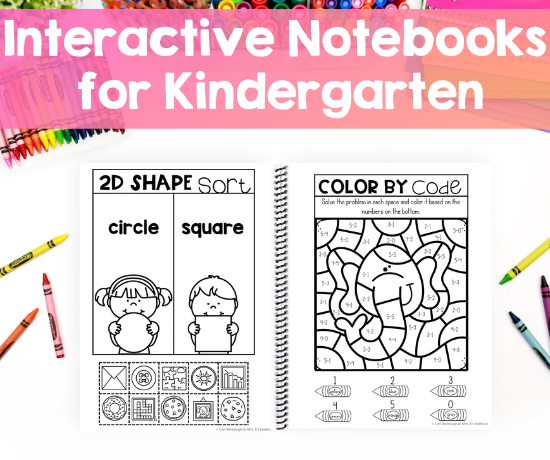
Science – There are so many natural plant-related topics you can explore during a plant-themed unit in science, which makes it easy to integrate into a cross-curricular themes week. For this particular theme, I chose a couple of activities from our interactive notebook that aligned perfectly with what students were already learning in reading and writing.
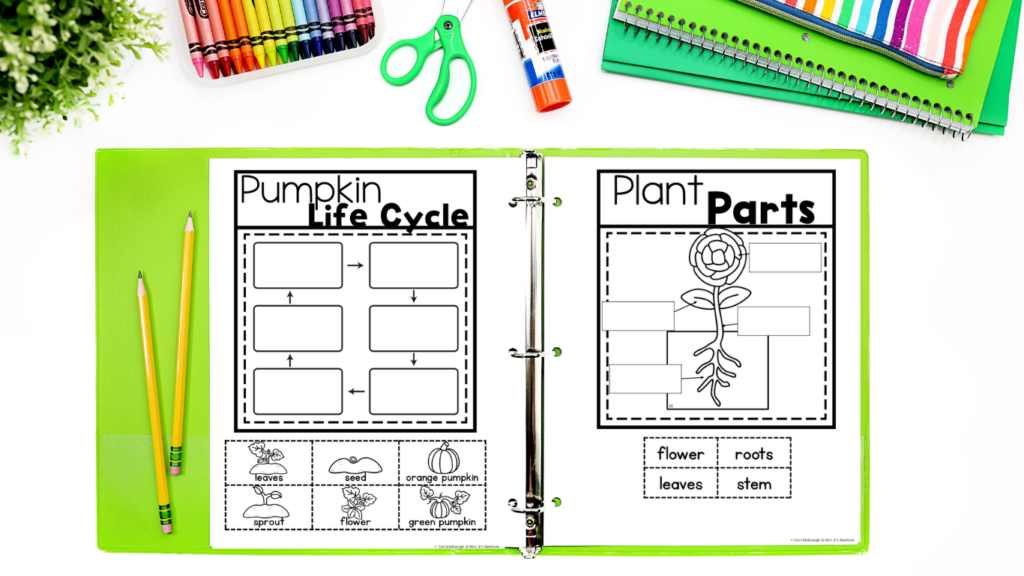
When I’m planning science for a themed week, I try to focus on hands-on, visual, or investigative activities that help students observe and make real-world connections to the topic. This not only reinforces the content but also keeps students highly engaged because they’re learning through exploration rather than just direct instruction.
If you ever find yourself struggling to connect a science standard to your theme, a simple solution is to look for a related STEM challenge or hands-on experiment that naturally fits the topic. Even a quick building, observing, or experimenting activity can tie the theme together and give students a meaningful way to apply what they are learning in other subjects.
Social Studies – I like to be very intentional about choosing topics that naturally connect to the theme we are exploring that week. During our plant unit, I selected a lesson from our Social Studies Notebook that ties in beautifully with how plants fit into our world and why they matter.
Instead of focusing only on plant identification or life cycles, I like to extend the learning to broader ideas like conservation, environmental responsibility, and how we can care for our planet. This gives students a chance to think beyond the classroom and begin understanding their role in caring for the world around them.
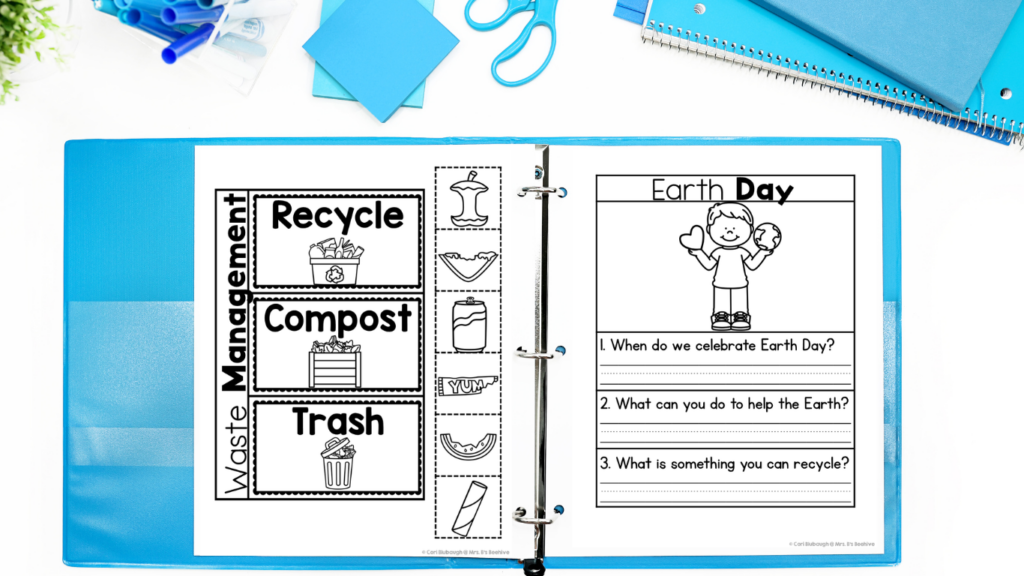
We talk about simple, age-appropriate concepts such as reducing waste, recycling, conserving water, and protecting green spaces. These discussions are powerful in kindergarten because they help students develop an early awareness of how their actions can affect the environment.
Connecting social studies to a plant theme also makes the learning feel more meaningful and relevant, as students begin to see how everything in nature is connected.
Art
For the art portion, I always travel to the faithful Pinterest. I saw this fun Plant Art on the Natural Beach Living blog. I’m also a HUGE fan of directed drawing in class!

Curriculum Planning
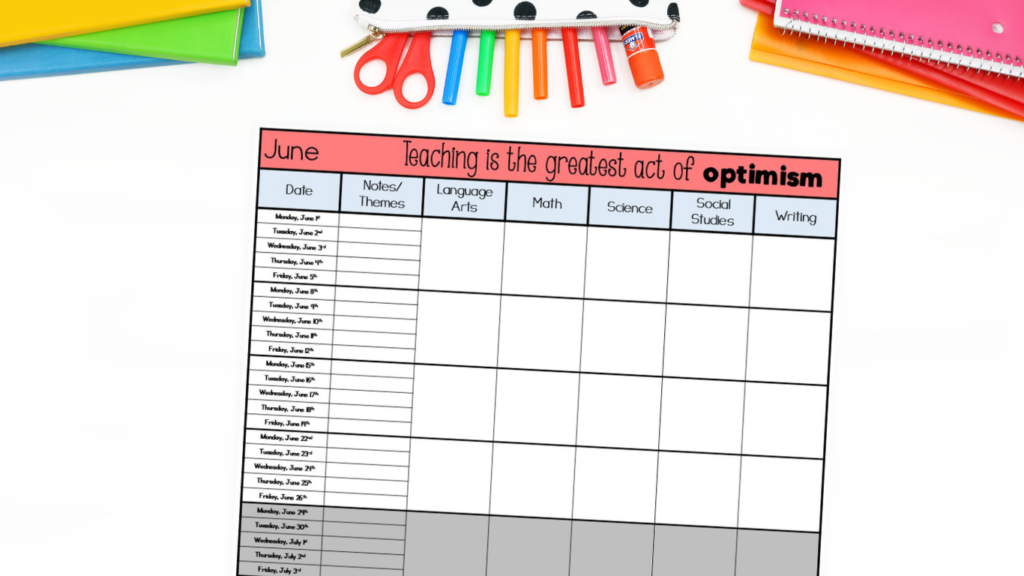
To put those cross-curricular themes into action, I use this simple curriculum-planning calendar. During the summertime, I plan out all of my themes for the year and write notes on what I will cover for each subject.
I don’t actually write out the lesson plans for each week (I’m a crazy planner, but not that crazy!) When it’s time to write lesson plans, I love being able to grab this filled-out resource. It makes my planning happen sooooo much quicker! This planner comes in both PowerPoint and Google Drive forms, all in the same resource!
Do you love to plan lessons around a theme? Do you also like to prepare things during the summer as I do? Let me know if the comments below!