

A strong classroom reward system can make all the difference in student motivation and behavior. We all need motivation in our lives, and students are no exception. As adults, our motivation might come from praise at work, a sense of responsibility, or the simple need to pay the bills. In the classroom, however, motivation looks a little different, and understanding what drives your students is key to building a successful behavior plan.
Everyone Needs Encouragement
Several years ago, I worked with a principal who never took the time to learn what motivated her teachers. There was very little positive encouragement, recognition, or praise. Over just a few years, she lost more than 20 teachers, including me.
The truth was, every teacher needed something different to feel successful and appreciated. Some teachers would have loved for her to stop by and compliment a bulletin board display. Others thrived on verbal praise for going above and beyond their job duties. I even knew a few teachers who would have happily worked extra hard after receiving a simple $10 Starbucks gift card.
No single form of motivation would have worked for everyone, and our students are no different.
Everyone Is Motivated Differently
When I first started teaching, I did what many new teachers do: I bought a wooden treasure box from Michaels and filled it with inexpensive party toys from Target and Walmart. Bouncy balls, plastic rings, sticky hands, you know the stuff.
Some students loved the treasure box. Others were only mildly interested. What I noticed most was how often I was running to the store to restock it. It felt expensive, wasteful, and honestly a little exhausting.
While scrolling through Pinterest one day, I came across the idea of using a classroom reward binder instead of (or alongside) a traditional treasure box. I downloaded a simple version that included about five non-toy reward options. Some examples were things like:
- No shoes for the day
- Bring a stuffed animal (or “fluffy friend”) to school
I didn’t get rid of my treasure box. I simply offered these new rewards as an alternative. I assumed students would still be most interested in the toys, but I was completely wrong.
The Power of Choice in a Classroom Reward System
I was shocked by how few students even asked to see the treasure box. Most of them chose rewards from the binder instead, rewards that didn’t cost me any money at all.
Even more interesting was which rewards students chose. Some kids were thrilled by special privileges, while others preferred experiences or classroom jobs. Watching their choices gave me insight into their personalities and what truly motivated them as individuals.
This is when it really clicked: a strong classroom reward system isn’t about stuff, it’s about choice.
How I Managed Rewards Without Losing Instructional Time
Switching to this system gave my students much more buy-in to our behavior expectations. I used punch cards, and once a student earned 20 punches, they could choose a reward from the binder.
(If you’re looking for punch cards, I do offer a free set—check out the Behavior Punch Cards link.)
To keep things manageable, I handed out punches at the end of the day. When a student filled their card, they placed it on my table. The next morning, after finishing morning work, they chose their reward.

Trust me, trying to hand out punches and rewards at dismissal time is a recipe for chaos. Spreading it out saved my sanity and kept our routines intact.
A Classroom Reward That Motivates Every Student
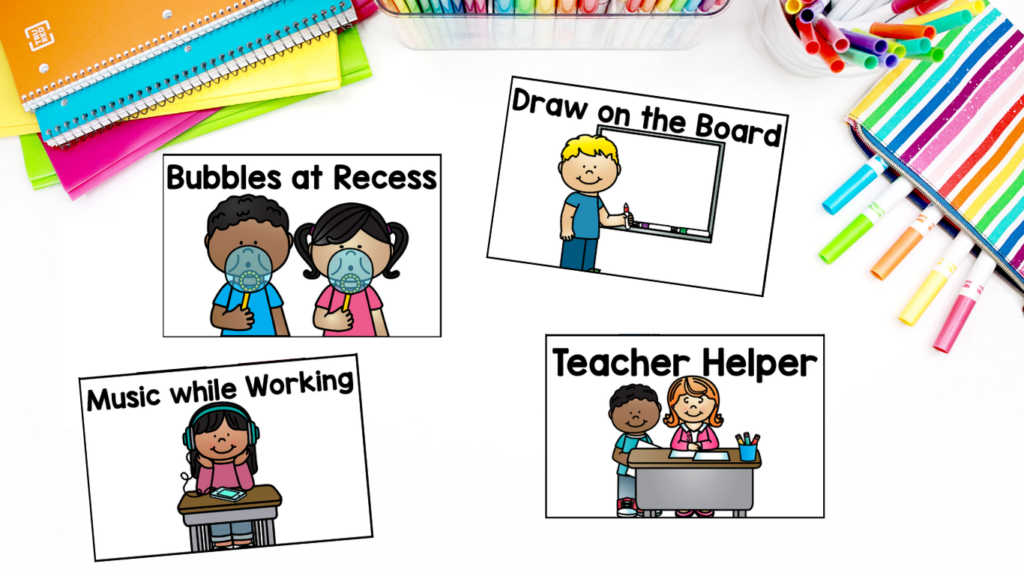
Recently, I created a brand-new classroom rewards book that I’m excited to share. It’s designed to motivate all students, not just the ones who love trinkets and toys. You can download it for free by filling out the form on the page.
One of the best parts? You don’t have to use every reward included. Pick and choose what works for your classroom, your students, and your comfort level. A flexible classroom reward system will always be more effective than a rigid one.
Don’t Forget Whole-Class Rewards
While individual rewards are powerful, I’m also a big fan of whole-class goal setting. Working toward a shared classroom reward builds community, encourages teamwork, and helps students celebrate success together.
This reward book can also be used to brainstorm and select whole-group rewards, making it easy to recognize class-wide achievements in a meaningful way.

Want More Behavior Management Ideas?
If you’re interested in strengthening your behavior management system even further, be sure to check out these posts:
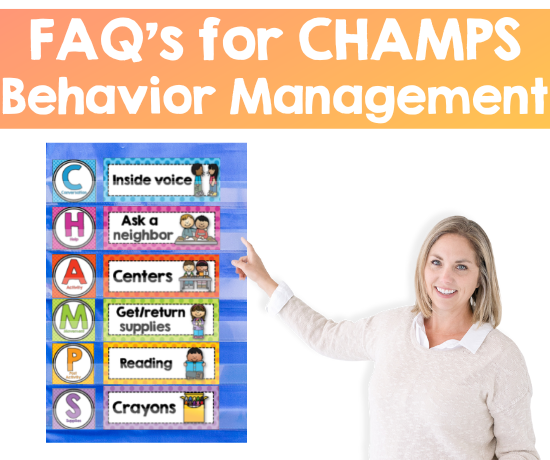
- CHAMPS Behavior Management System
- Teaching Back-to-School Procedures
- What to Use Instead of a Clip Chart
A thoughtful classroom reward system can make a huge difference, not just in behavior, but in student motivation, relationships, and classroom culture. Give it a try, and let me know how it works in your room!
If you’re interested in more classroom management support, check out the following resources: