
Today, I want to talk about alternatives to using a clip chart.
Let me be honest: I used a clip chart for years. I didn’t think much about it at the time; it was just part of my classroom routine. Did it work for some students? Sure. Did it improve the behavior of my students with more challenging needs? Not at all.
Over the years, I relied on the clip chart less and less. Eventually, I found myself using it mainly to highlight positive behavior and reward students who were consistently making good choices.
After spending time researching behavior management, I began to better understand the potential harm of public behavior systems, such as a clip chart, that label individual students. Beyond the issue of public shaming, I also learned that there are many more effective and supportive ways to manage behavior in the classroom.
Today, I’m sharing a few clip chart alternatives that have worked far better for me, and I hope they’ll be helpful in your classroom, too.
Setting Clear Expectations
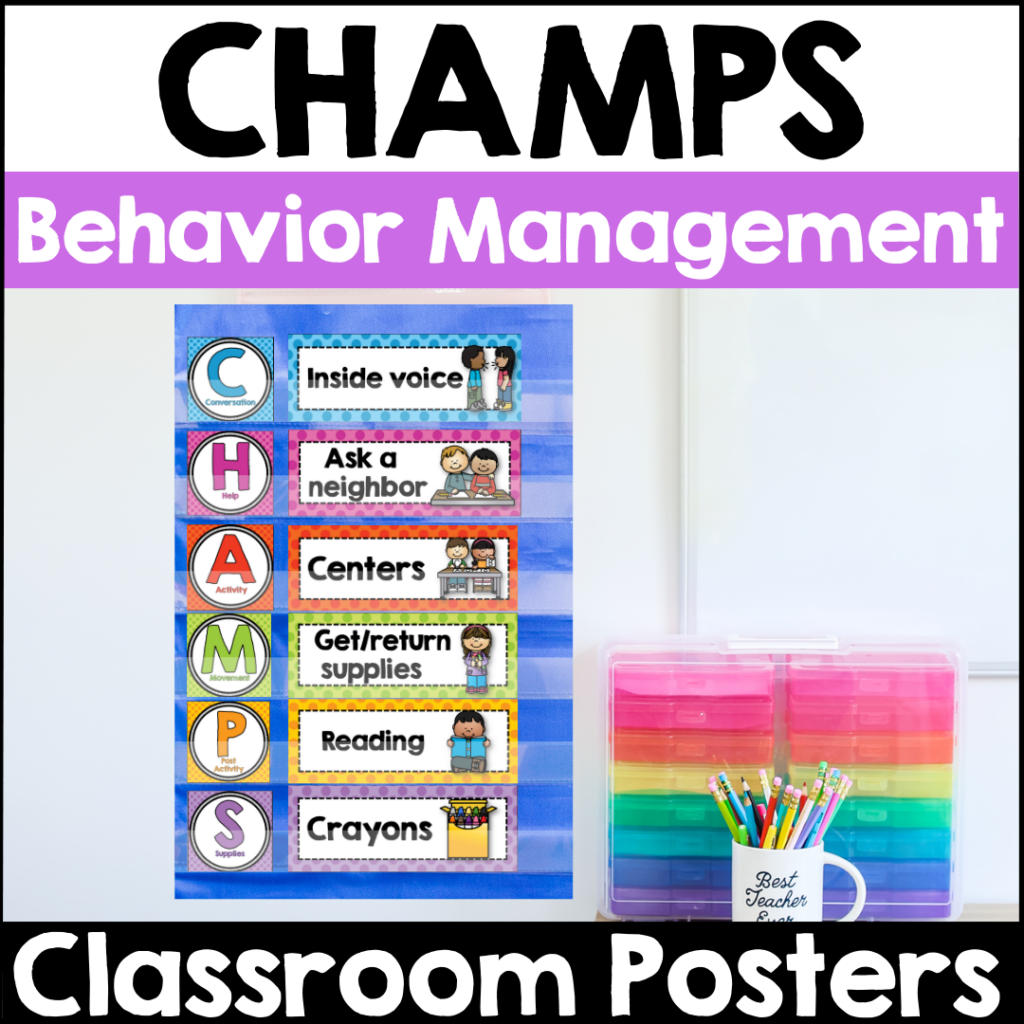
About seven years ago, I had the most challenging class of my career. No matter what I tried, I couldn’t get them to listen or stay on task. That year forced me to take a deep dive into behavior management systems, and that’s when I learned about CHAMPS.
CHAMPS focuses on setting clear expectations before an activity begins, rather than reacting to behavior after problems arise.
I have a full post that explains the CHAMPS system in detail if you’d like to learn more:
CHAMPS Behavior Management
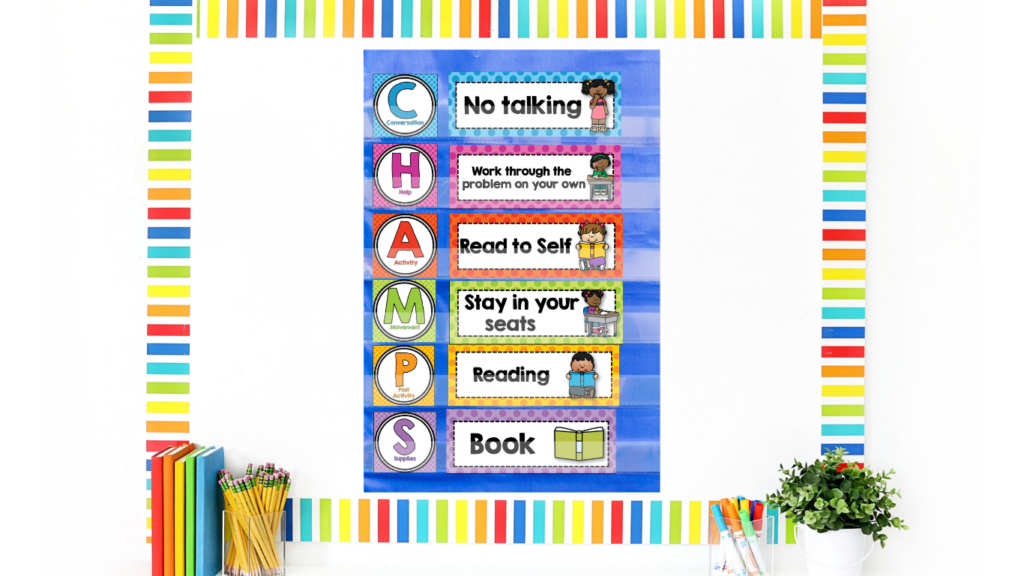
Whether you use CHAMPS or another system, it’s essential to clearly explain expectations before students begin working. Students should know:
- The expected voice level
- What to do when they need help
- What to do when they finish their work
- How bathroom and water breaks are handled
- What movement is allowed in the classroom
Scroll to the end of this post for a FREE expectations resource you can use with your class!
Explicitly Teaching Expectations
Taking the first six weeks of school to explicitly teach expectations can feel exhausting. It’s tempting to rush through this part of the year, but the time you invest early on will absolutely pay off.
Teaching classroom routines can feel overwhelming. There are so many procedures to cover! To help, I created a free resource that lists common procedures taught during the first few weeks of school. You can add to it as needed:
In addition to procedures like what to do when a pencil breaks or how the classroom should look at the end of the day, behavior expectations also need to be taught explicitly.

During the first few weeks of school, much of my read-aloud and social studies time is devoted to books that model the behaviors I want to see. We always follow up with a discussion about what that behavior looks like in our classroom.
For example:
- We read The Recess Queen and talk about how to play kindly on the playground.
- We read My Mouth Is a Volcano and discuss raising our hands and listening when others speak.
If you’re looking for more book ideas, check out this post:
Back to School Read-Alouds Your Students Will Love
During this time, I also make a point to publicly praise positive behavior. I specifically name what the student did and connect it to the expectation we’ve discussed.
Using Whole-Class Goals
Whole-class goals are one of the most powerful tools in my behavior management plan.
The best part? They’re flexible and can be adapted to meet your class’s needs. Some years, we need to work on stamina during carpet time. In other years, the biggest challenge is cleaning up centers or transitioning calmly.
When setting a whole-class goal, it’s important to:
- Clearly state the goal
- Describe what success looks like
- Choose a reward together
Students are much more motivated when they help decide the reward. One of my favorite tools for this is these classroom management bingo cards from Teach Create Motivate:
Once you meet a goal, you can move on to the next skill that needs attention. You can even work toward two goals at once, just be careful not to overload students. I usually stick to one behavior goal and one academic goal at a time.
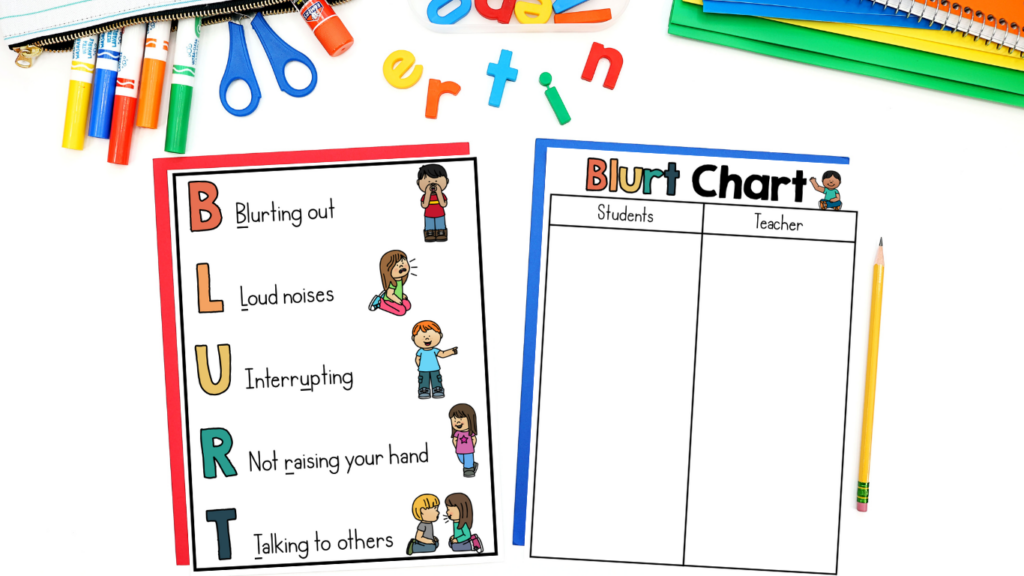
You can also use a blurt chart if you are looking for easy ways to track a single behavior and reward the class as a whole.
Individual Behavior Management
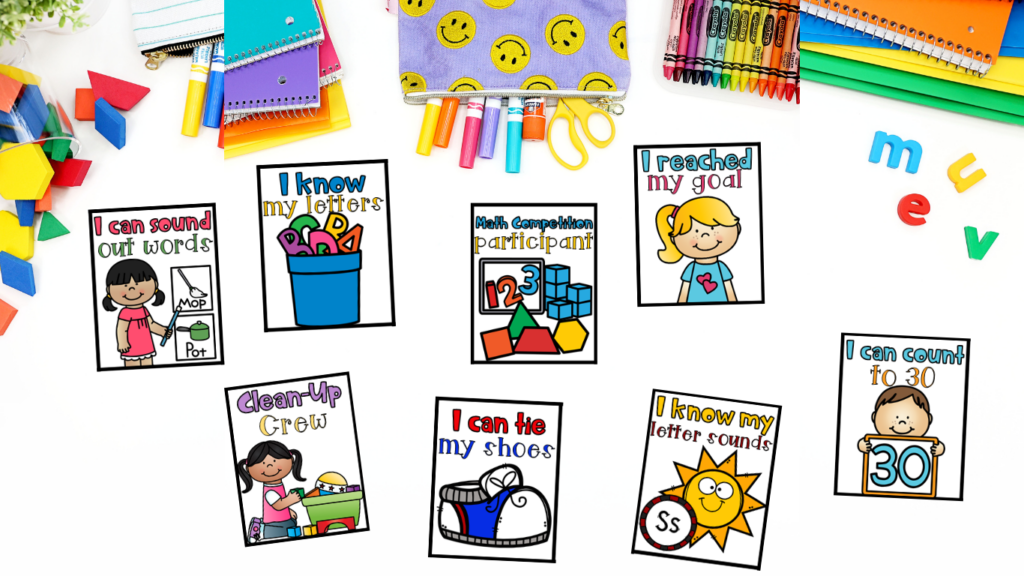
For individual encouragement, I love using reward tags for academic, behavioral, and developmental goals.
When it comes to misbehavior, I’ve learned that a one-size-fits-all consequence simply doesn’t work. This became especially clear as I saw more students on the autism spectrum in my classroom.
Autism presents differently in every child, and triggers for challenging behavior can vary widely. My neurodivergent students taught me an important lesson: every behavior situation deserves an individualized response, for all students, not just those with diagnoses.
Behavior challenges can stem from learning delays, lack of sleep, sensory sensitivities, home situations, or countless other factors. A child “just not listening” is rarely the real issue.
With experience, I’ve learned to recognize problems early. Most of the time, a quiet one-on-one conversation and a chance to cool down prevent a larger issue. Sometimes a loss of privilege or a parent-communication is necessary, but I always try to understand the “why” behind a behavior before responding.
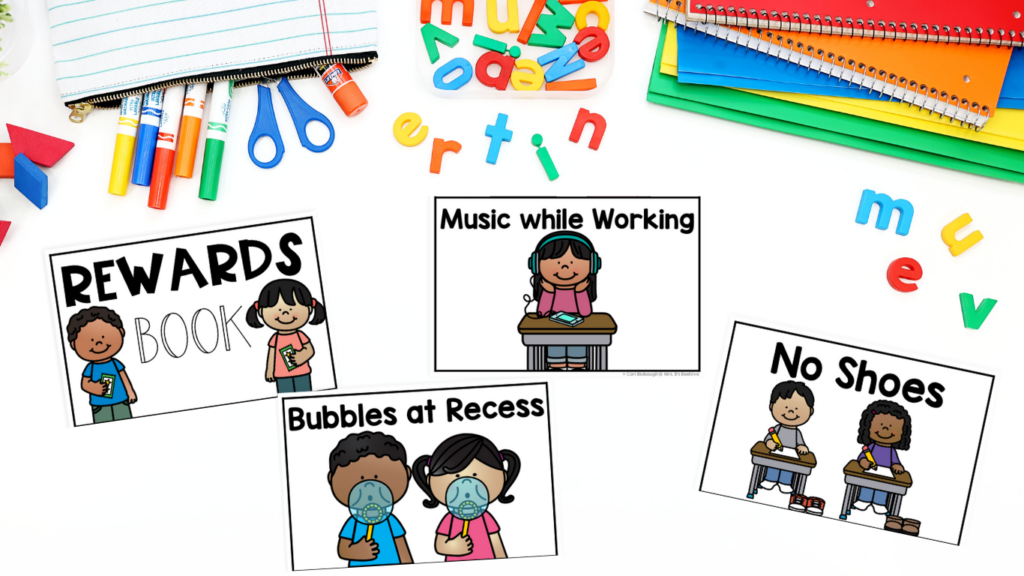
Personalizing rewards is also a great way to provide students with the individual motivation they need to succeed. I created a rewards book with a variety of options to help motivate all of my students. I used to just have a prize box, but when I varied the types of prizes, my students loved it, and many of them chose the low/no-cost-to-me options. Win-win!
To Sum It All Up
Are you a bad teacher if you use a clip chart? Absolutely not.
My hope is that this post gave you a few new ideas to consider when it comes to classroom management. As teachers, we grow and evolve every year. Our philosophies shift as we gain experience and confidence, and that’s one of the most beautiful parts of this profession.
I’d love to hear your thoughts! Leave a comment below and share how your classroom management style has changed over the years.
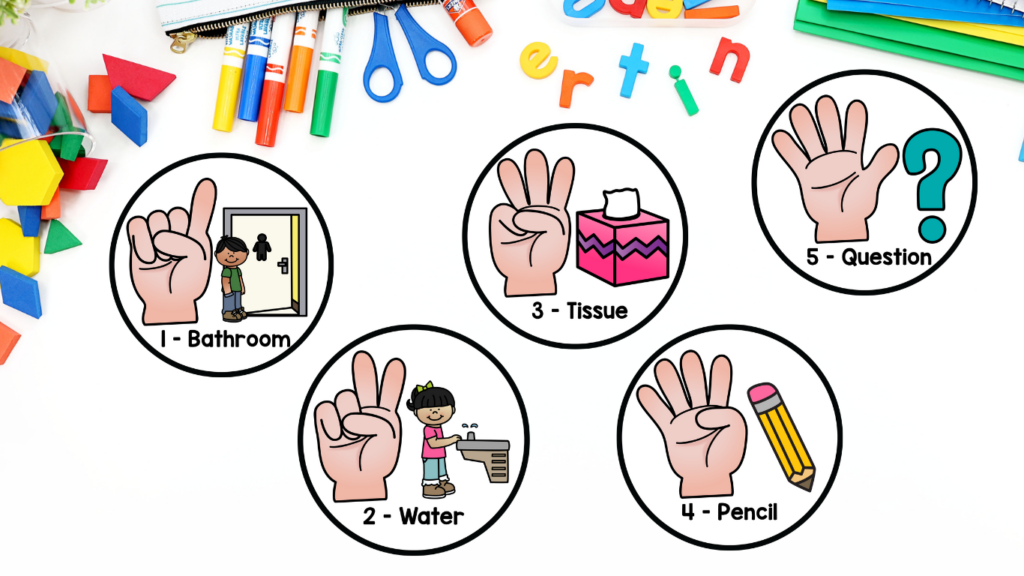
And if you’d like help setting clear expectations in your classroom, be sure to grab my FREE hand signal cards below. Say goodbye to lesson interruptions caused by potty emergencies 😊 Fill out the form to download your freebie!
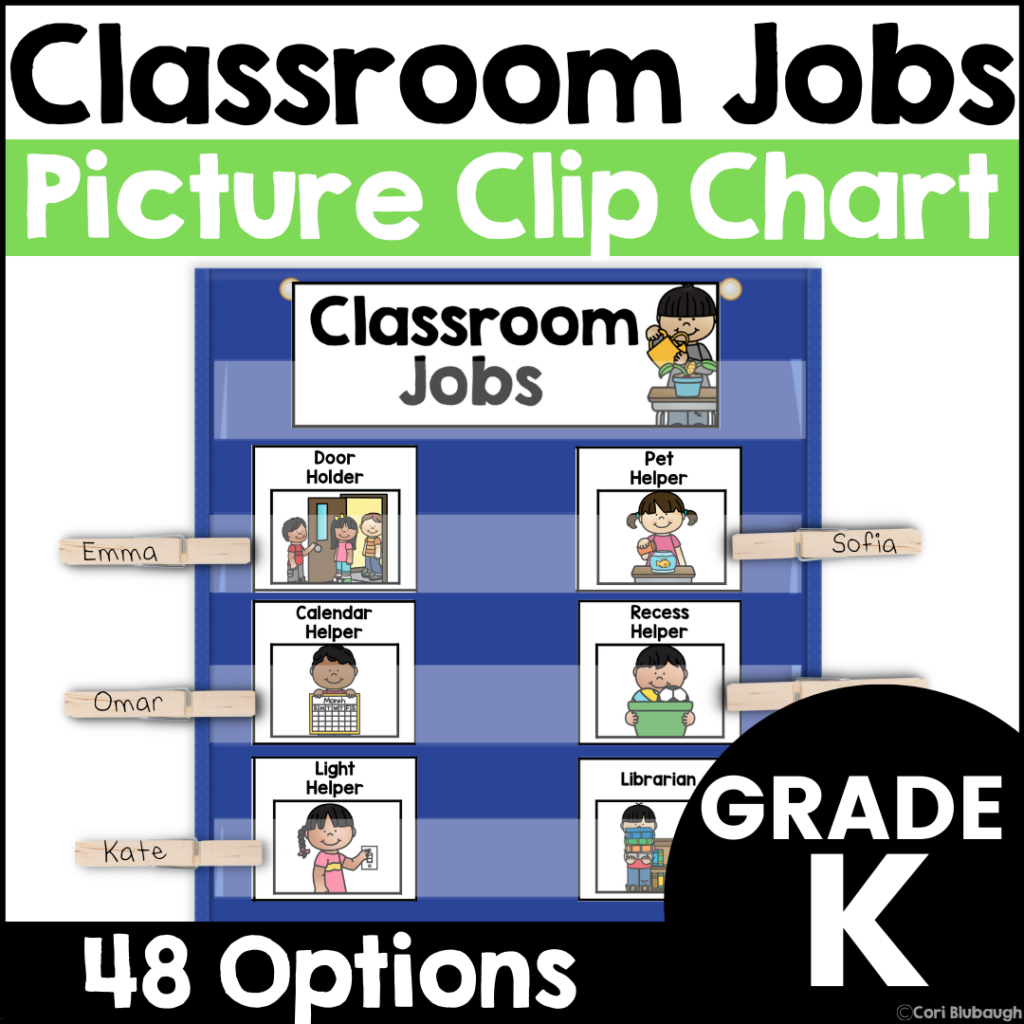
Check out these behavior management resources that will help with setting up routines and expectations!