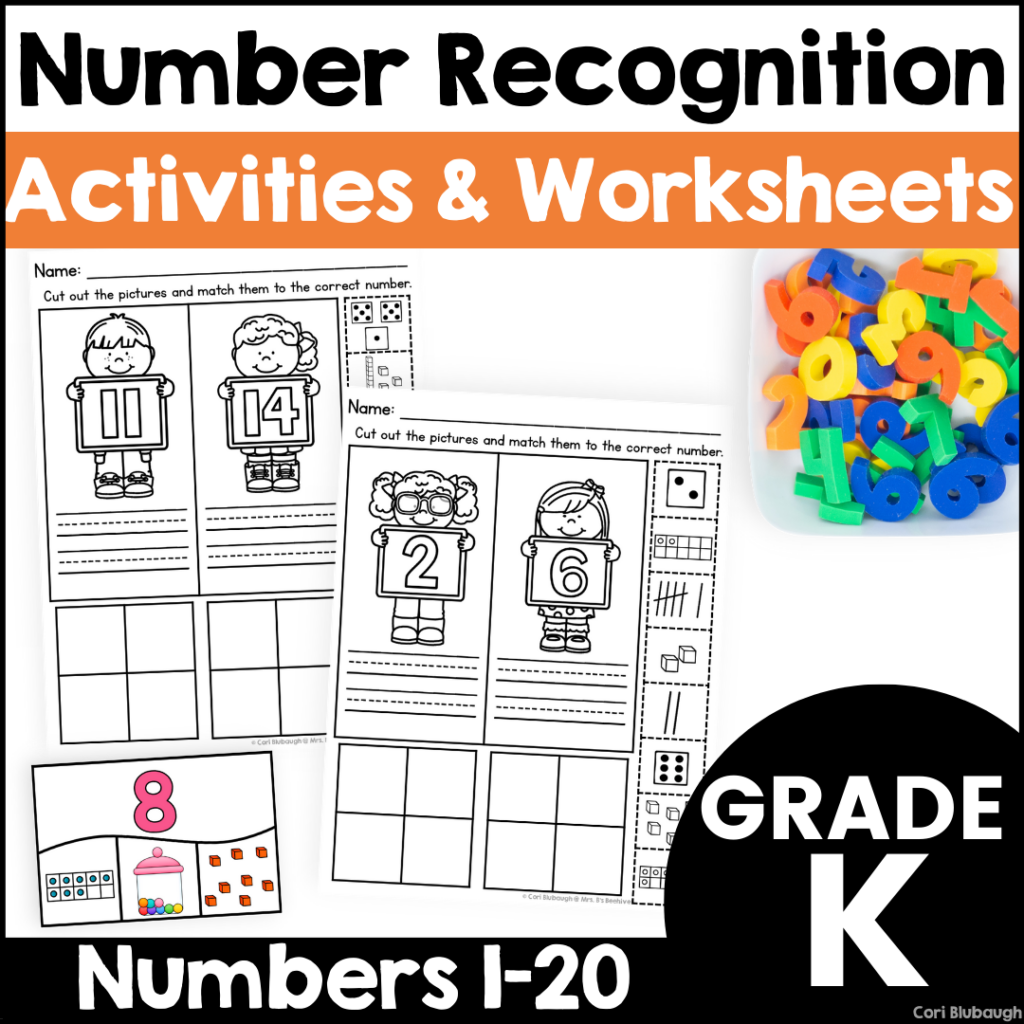
Teen number recognition can be tricky for many kindergarten students. Most children enter kindergarten already confident with numbers up to 10, and some may even recognize numbers through 12.
However, once the review of single-digit numbers is complete at the beginning of the year, teachers often notice a significant hurdle when instruction shifts to teen numbers. Teen number recognition requires students to move beyond memorization and begin developing a deeper understanding of number structure, language, and place value.
Understanding why teen numbers are challenging and knowing how to support students through this stage can make a big difference in student success.
Common Teen Number Recognition Mistakes
When teaching teen number recognition, several common patterns tend to emerge. Recognizing these mistakes early allows teachers to address misconceptions before they become ingrained.
One common error is that students call teen numbers by their individual digits. For example, a student might say “one-four” instead of fourteen. This shows that the child recognizes the digits but has not yet internalized the number name as a whole.
Another frequent mistake is adding a “-ty” ending instead of “-teen.” Students may say “thirty” instead of thirteen, which is understandable given how similar the number words sound. English number language is not always intuitive, and teen numbers are especially confusing because they do not follow a consistent naming pattern.
Students also tend to skip certain teen numbers when counting, especially 15, 16, and 17. These numbers often require extra practice because their names do not clearly reflect their digits. Additionally, many students struggle specifically with 13 and 15, calling them “three-teen” or “five-teen.”
Finally, some students simply cannot recall any information about a teen number. They may hesitate, guess randomly, or shut down entirely. This is often a sign that they need more exposure, repetition, and hands-on practice with teen number recognition.
Using Video Resources to Build Teen Number Recognition
To help reinforce teen number recognition, videos and chants can be incredibly effective. Music, rhythm, and movement help students remember number names in a fun and engaging way.
Some favorite resources include:
Heidi Songs has been a classroom favorite for years. Many teachers invest in her DVDs or subscribe to her videos online because the songs are catchy, repetitive, and designed specifically for early learners. Students often begin singing the songs independently, which reinforces teen number recognition throughout the day.
Jack Hartman and Harry Kindergarten are also excellent (and free) options available on YouTube. Their videos provide clear visuals, consistent language, and opportunities for students to say the numbers aloud, an essential component of mastery.
Interactive practice helps students visualize numbers and practice recognition and creation of teen numbers in a low-stress, self-checking environment. I love Boom Cards for extra practice with teen numbers! Below is a list of Boom Card decks I have available to reinforce teen number skills. You can tell which time of the year I usually teach it!
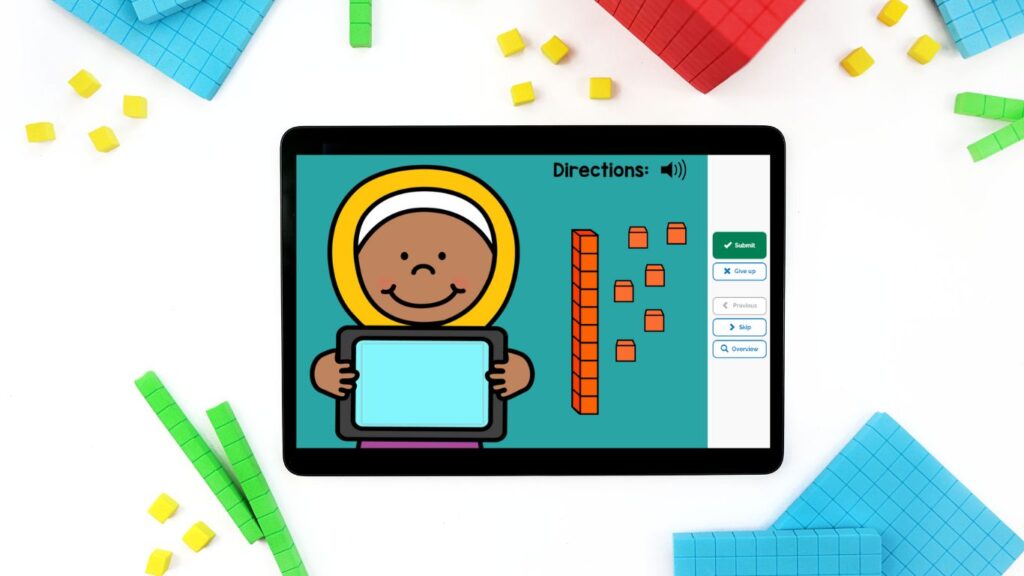
- Base 10 Counting
- Teen Number Counting (Thanksgiving Themed)
- Teen Number Listen and Find (Thanksgiving Themed)
- Teen Number Counting (Winter Themed)
- Teen Number Order (Christmas Themed)
- Spring Ten Frame Addition to 20
Oral Language Practice for Teen Number Recognition
Teen number recognition becomes automatic only after students have had extensive oral language practice. Students need repeated opportunities to hear, say, sing, and chant teen numbers in meaningful ways.
Counting sequentially as a class, counting independently, and practicing number names during transitions all support retention. The more students say the number names out loud, the stronger their recall becomes.

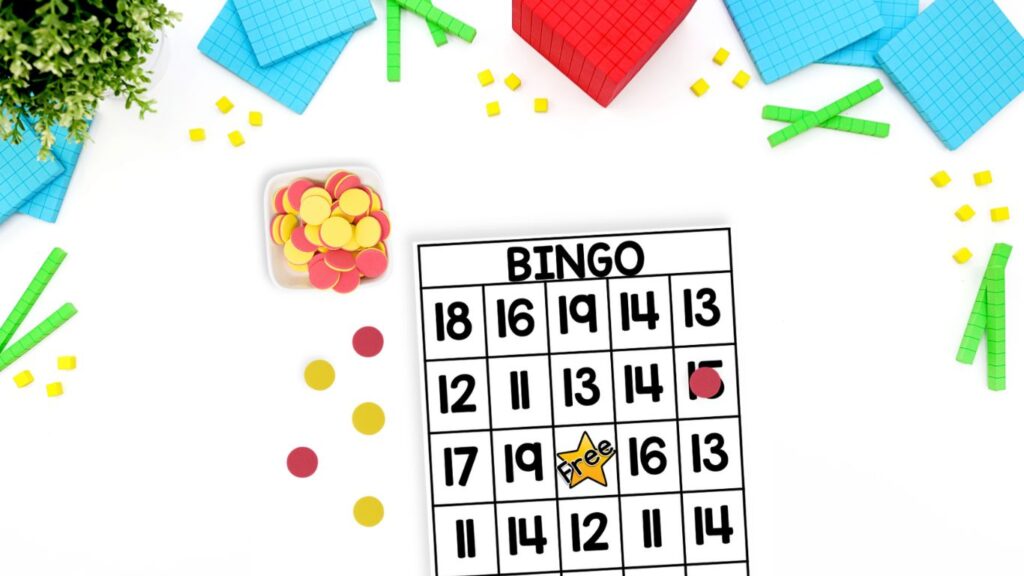
Games such as bingo and memory are especially effective for reinforcing teen number recognition. These activities encourage repetition without feeling repetitive. When students are engaged and having fun, they are more likely to retain what they are learning.
To support this, I created a teen number freebie that can be used for both bingo and memory games. It works well for whole-group instruction, small-group intervention, math centers, or early finisher work. No matter how it’s used, the key is to require students to say the number name every time they see it. This consistent verbal practice helps teen number recognition become automatic.
Teaching the Standards Through Teen Number Recognition
As students begin to master teen number names, it is important to move beyond recognition and build number sense. Kindergarten standards emphasize understanding that teen numbers are composed of one group of ten and some additional ones. This foundational concept is essential for future learning in place value, addition, and subtraction.
Teen number recognition and number sense go hand in hand. Students must understand that fourteen is not just a word—it represents ten ones and four more ones. This understanding sets the stage for long-term math success.
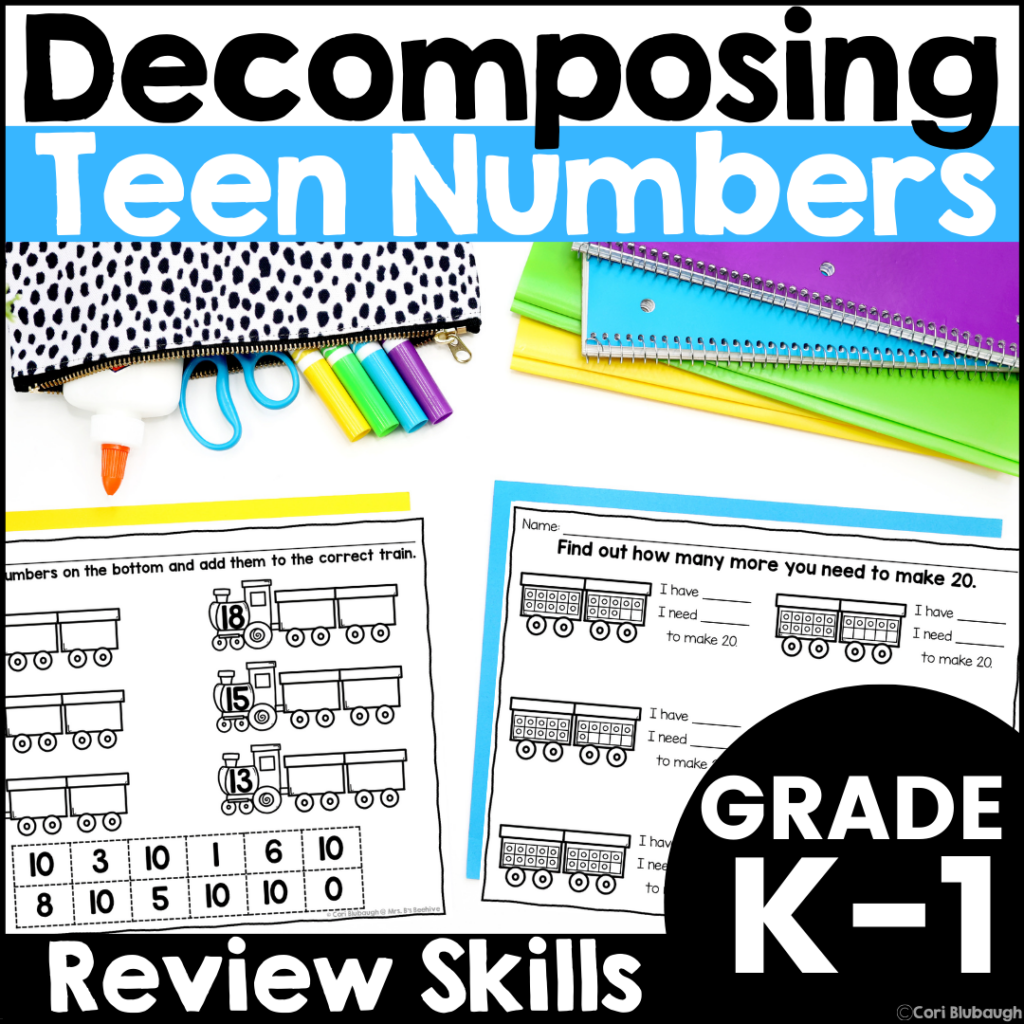
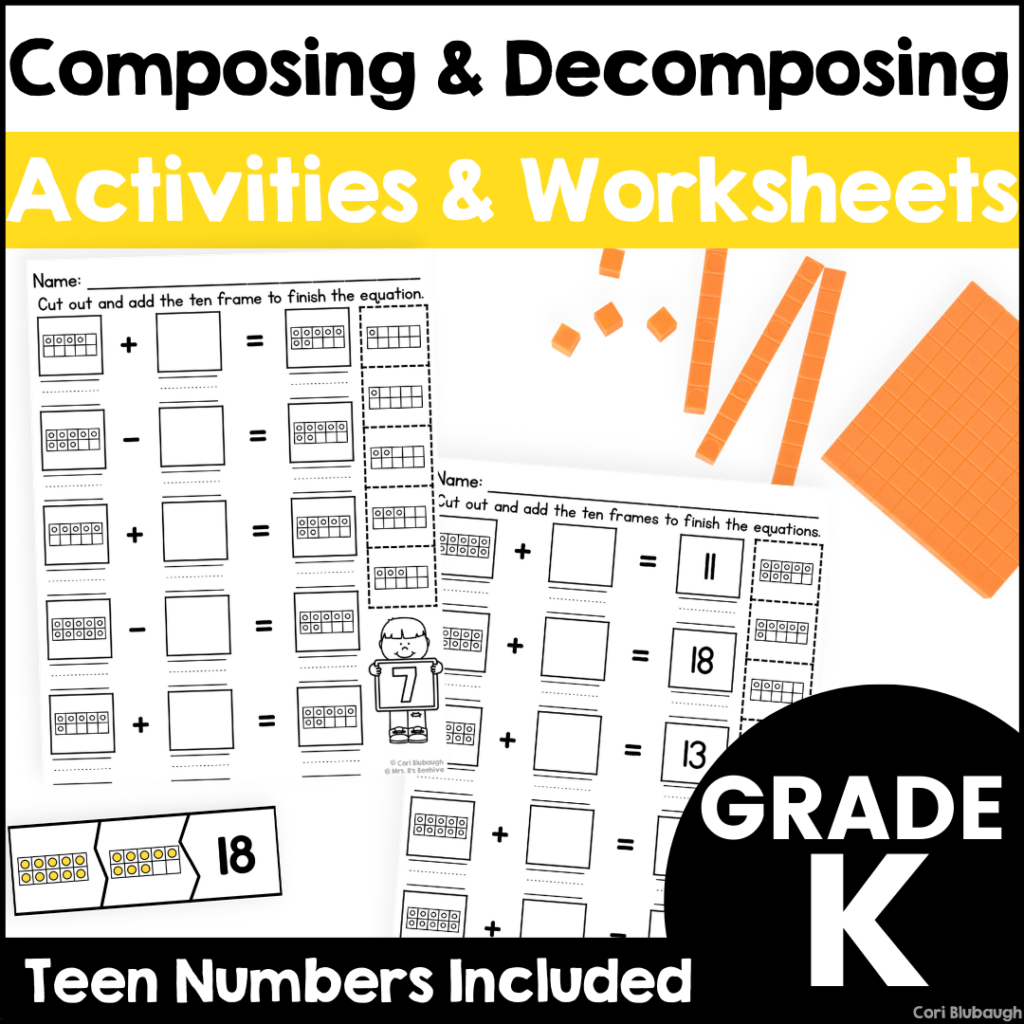
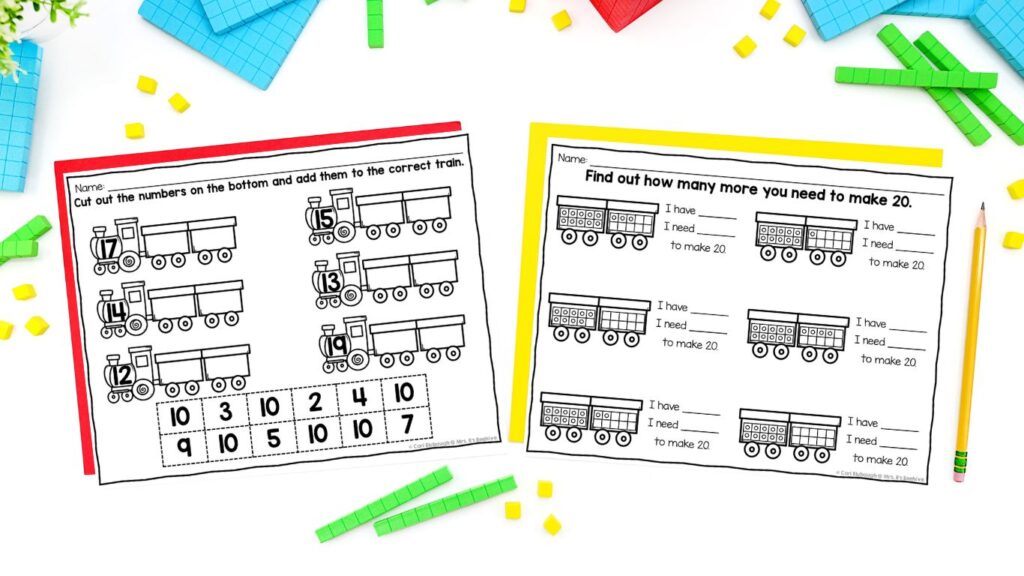
To support this standard, I created a Decomposing Teen Numbers resource that allows students to practice breaking teen numbers apart in various ways. Through hands-on activities and visual representations, students strengthen both teen number recognition and conceptual understanding.
Teen number recognition takes time, patience, and intentional practice, but with the right strategies and resources, students can build confidence and mastery that will support them throughout their entire math journey.