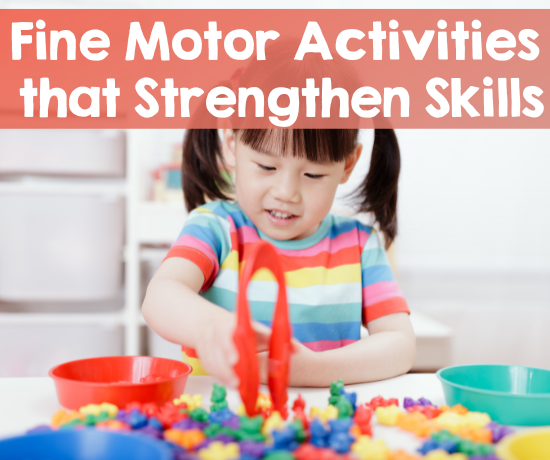
We all know how critical fine motor skills are in the early years, but many of our students arrive in preschool or kindergarten with underdeveloped hand strength. They may struggle to hold a pencil correctly, control scissors, or even button their coats. These small actions rely on muscles that take time, patience, and practice to build.
If you’ve ever handed a new student a pair of scissors and watched them struggle to open and close them, you know exactly what I mean. Developing these muscles is crucial not just for writing and cutting, but for building confidence and independence in the classroom.
Today, we’re focusing on one simple, engaging, and surprisingly effective tool that can help: hole punches!
Hole Punches as Fine Motor Tools
When it comes to fine motor development, variety is key. Activities like threading beads, using tweezers, or playing with playdough all have their place, but hole punches are unique because they build strength in nearly every muscle of the hand.
Think about it, even adults sometimes struggle when using a standard hole punch (especially when we try to punch too many papers at once!). The resistance of the punch requires students to use their palms, fingers, and wrists in a coordinated way. This effort not only strengthens the hand but also improves grip control, endurance, and bilateral coordination (using both hands together effectively).
And the best part? Kids think it’s fun. They don’t even realize they’re doing “work.” To them, it feels like a game or a special privilege, especially if they get to use the teacher’s hole punch!
Differentiating Hole Punch Activities
Not all hole punches are created equal. For students who are just beginning to develop their grip, start with light-resistance hole punches designed for young learners. You can find themed punches in fun shapes like stars, hearts, or circles, which add an extra layer of excitement.
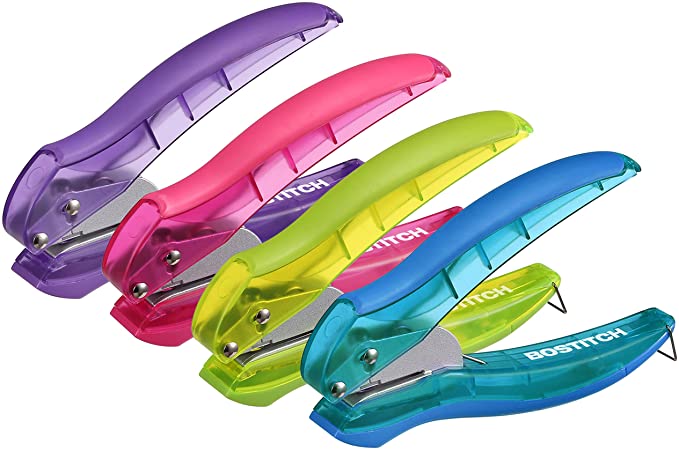
For students who already have a bit more hand strength, standard metal hole punches provide a great challenge. Just be sure to supervise closely, as the stronger punches can be tricky to handle.
Here are a few simple ways to use hole punches in your classroom:
- Name Punch Cards: Write students’ names on strips of paper and have them punch along the lines of each letter.
- Shape Outlines: Provide templates of basic shapes (circle, square, triangle) for students to follow with their punches.
- Pattern Practice: Use colored paper and let students punch in patterns — for example, red-blue-red-blue — to strengthen both hands and pattern recognition.
- Counting Practice: Incorporate math by having students punch the same number of holes as the numeral shown on a card.
Free Fine Motor Punch Card Activity
To make it easy to get started, I’ve created a free set of fine motor punch cards you can download and use right away. These cards are designed for the first few months of school, when you’re still helping students develop the foundational strength they need for writing and cutting activities.
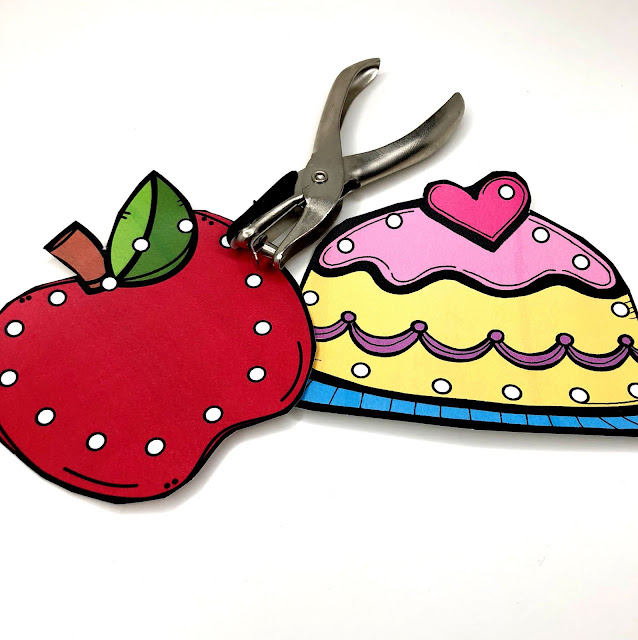
There are five different templates included, each featuring simple yet high-interest designs. You don’t have to cut the shape out completely, just trim it into a square so the holes are reachable with the punch. Students can work on these independently during centers, or you can use them in small groups for targeted fine motor practice.
Over time, you’ll be amazed at how quickly your students build strength and stamina. Many teachers notice that after just a few weeks of hole punch practice, their students’ pencil grips improve and they’re able to cut with greater control.
A Teacher’s Favorite Fine Motor Secret
My students absolutely LOVE using hole punches, especially when they get to use the teacher’s “special” one! It’s a simple, inexpensive tool that transforms practice into play, helping children build the hand strength they need to succeed across various subjects.
If you’d like to grab a copy of my free Fine Motor Punch Card set, just fill out the form below.
And if you’re looking for more ways to strengthen those little hands, make sure to check out my other posts:
- The Best Fine Motor Tools for Pre-K and Kindergarten
- Fine Motor Centers for the Beginning of School
- Academic Fine Motor Centers
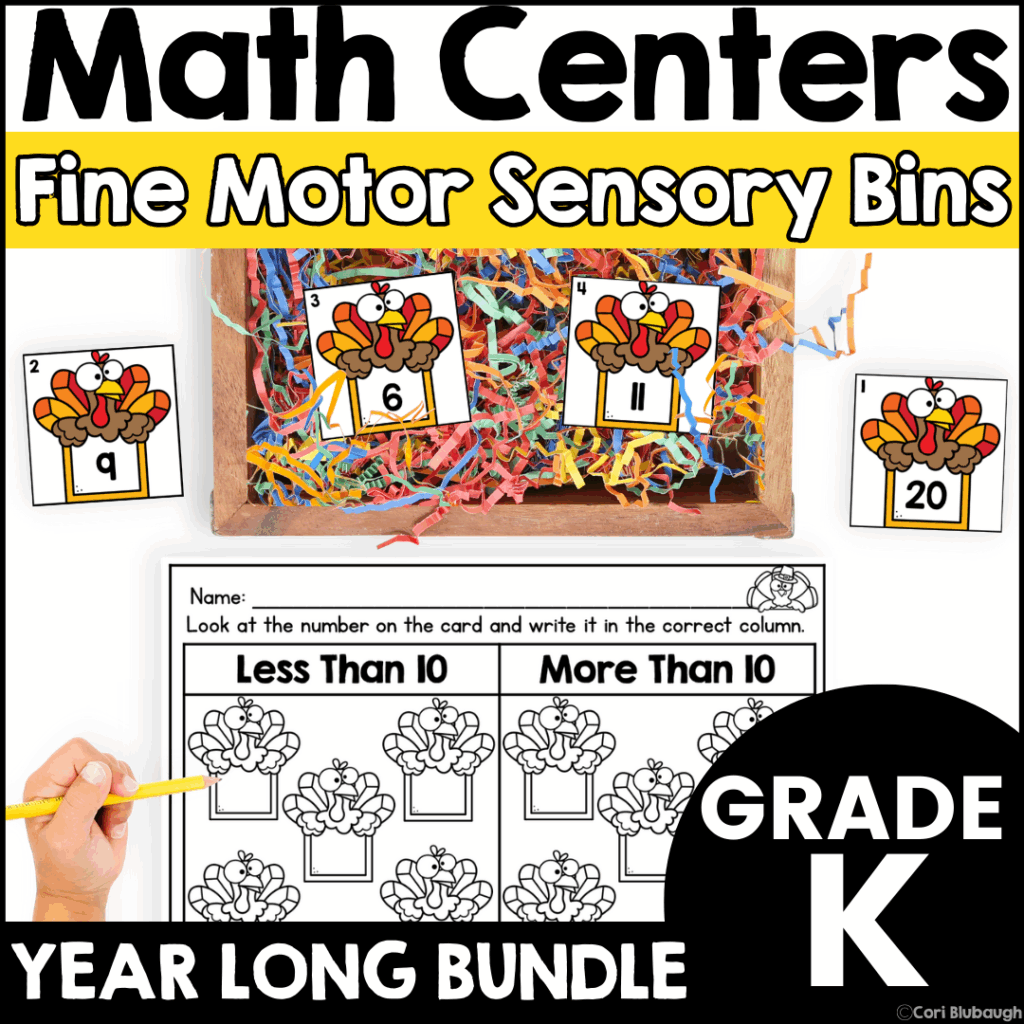
These ideas will help you build a full toolkit of engaging, developmentally appropriate activities for your fine motor stations. If you’d like some more fine motor resources, check out these engaging year-long centers:
-
Math Fine Motor Sensory Bin Centers Bundle for Kindergarten
Original price was: $27.00.$19.99Current price is: $19.99. -
Phonics Fine Motor Sensory Bin Center Bundle for Kindergarten
Original price was: $27.00.$19.99Current price is: $19.99. -
Fine Motor Activities Bundle
Original price was: $23.00.$16.10Current price is: $16.10.
: