Hi everyone!
I am linking up with Kickin’ it in Kindergarten for the Worksheets Don’t Grow Dendrites book study! If you would like to grab a copy of the book, click on the link below:
Worksheets Don’t Grow Dendrites
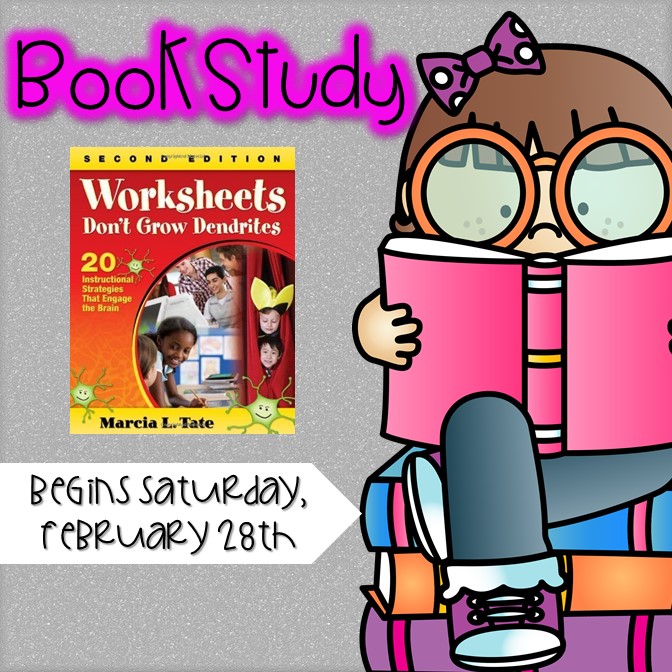
This book is quick and easy to read, grabbing your attention right away. It begins with the story of two different teachers. One who lectures and reaches some of their students, and one who truly engages their students through meaningful activities. The goal of these activities is to cater to all the different learning styles in your classroom and provide opportunities for students to retain their learning for a lifetime.
I know we all get caught up in the hectic, fast-paced life of teaching. We get stuck in a rut using the same old methodologies (or is this just me? : ) I do a lot of these activities, but the book has already given me some new ideas to try, and some ideas that I can take back to the rest of my staff, and use as professional development for them.
Book Study Chapter 1
The book comprises 20 chapters, each outlining a specific strategy to engage your students. Chapter 1 focused on brainstorming and discussion. Students need to talk things out; we as adults find this exceedingly helpful, but don’t always give our students the time they need to achieve this.
Out of all the instructional activities listed for this strategy, I particularly resonated with the sentence starters. The book mentioned how this strategy is great for ELL students, who comprise 95% of my class. Many times, they struggle to find the right words to express themselves, and I thought these sentence starters were a great way to teach them new vocabulary and encourage them to share their thoughts and opinions.
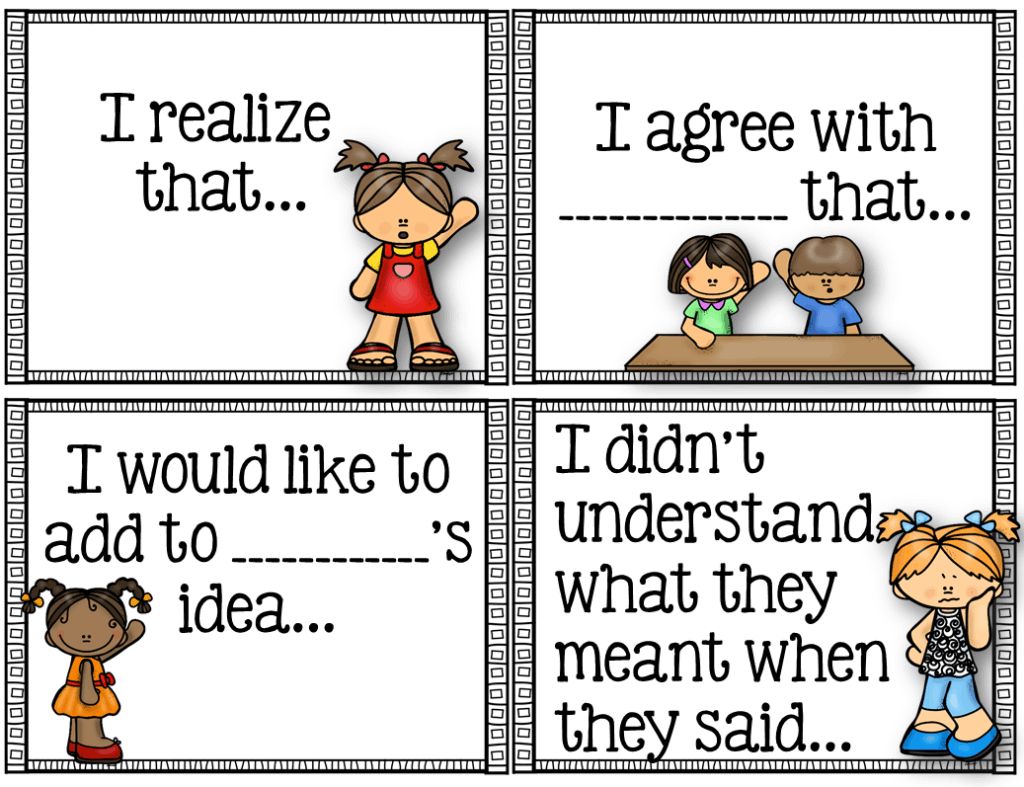
I created these talk cards that can be kept in your shared reading area. After reading a story, pull out a couple of the talk cards, and encourage your students to share their opinions.
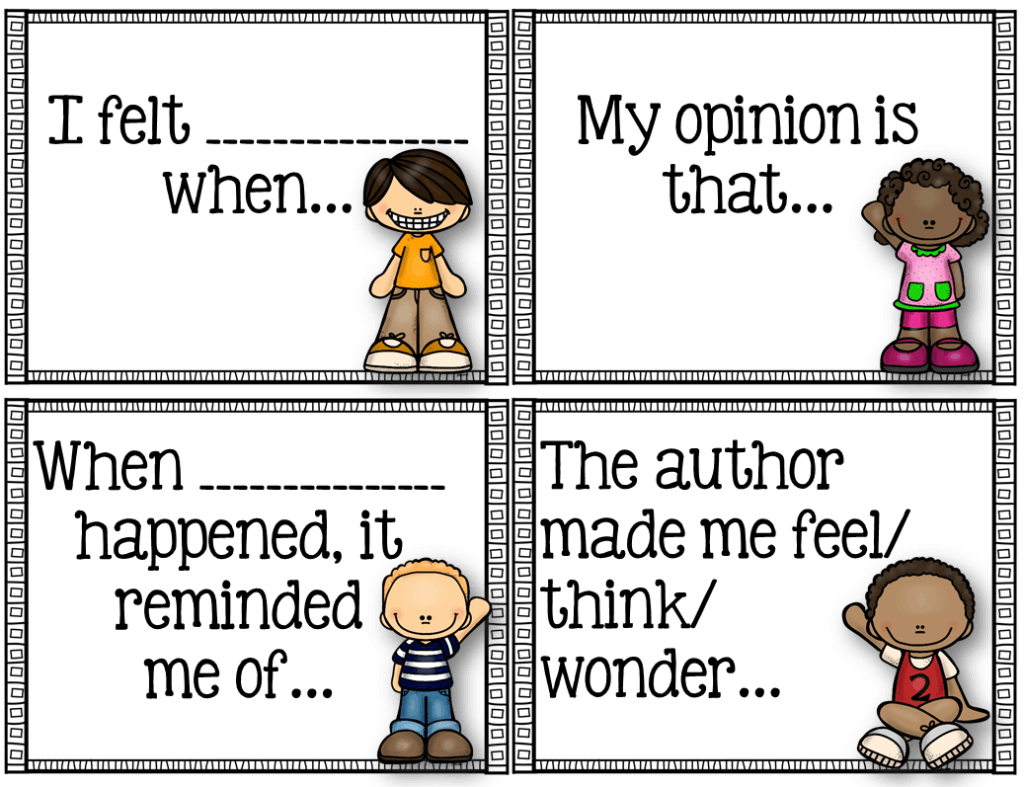
If you would like a free copy of these talk cards, just fill out the info. below:
Book Study Chapter 2
Chapter 2 was all about drawing and artwork. This is an area where I struggle, particularly due to my own lack of artistic skills. Keeping all learning styles in mind, it is essential to provide students with the opportunity to create pictures. It’s just another way for their minds to grab onto a particular concept.
My favorite instructional activity from this chapter was creating drawings to accompany specific vocabulary words. I made a math vocabulary book for my students to record drawings after a vocabulary word has been introduced.
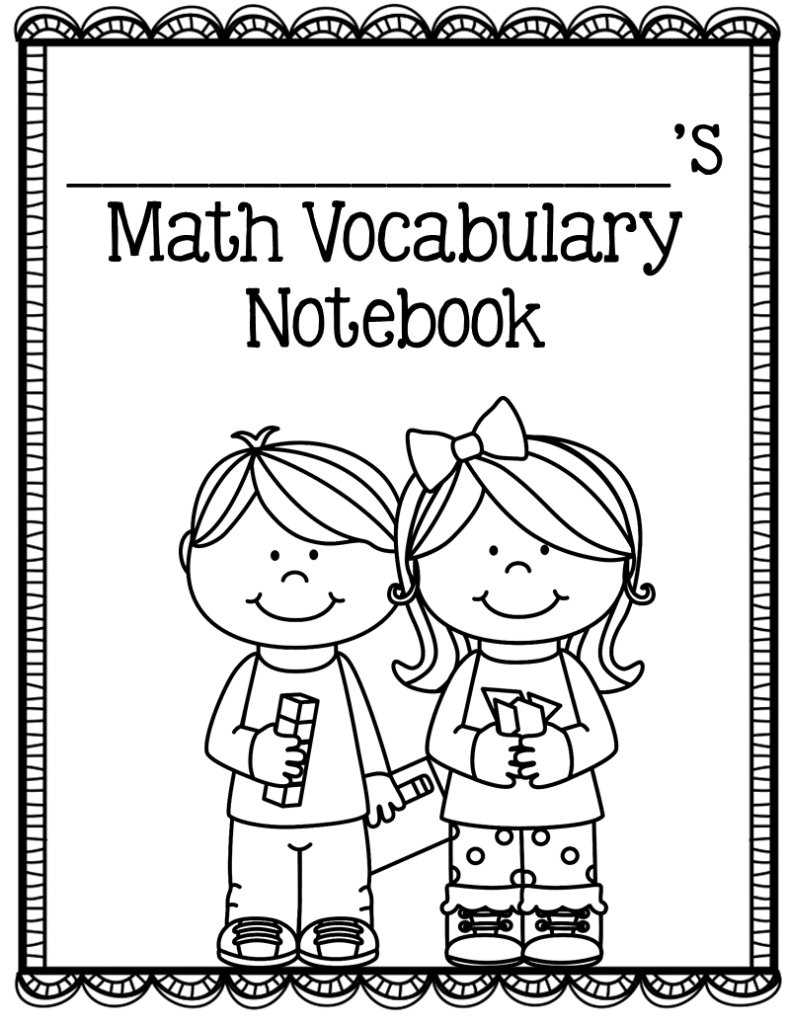
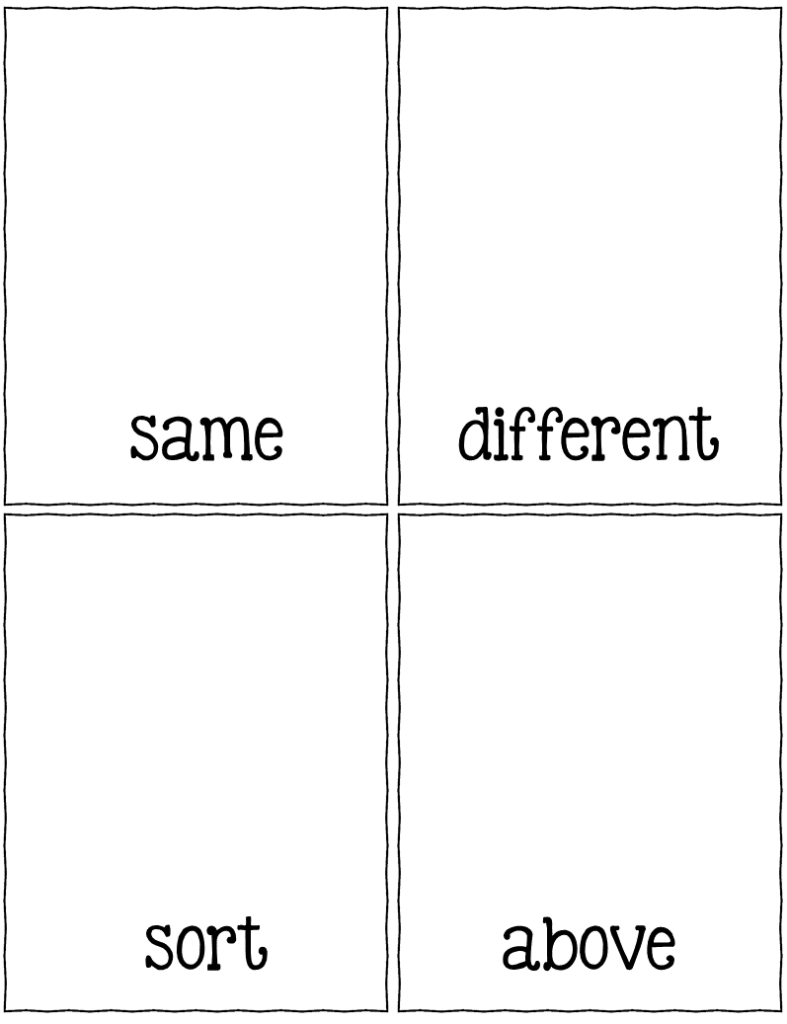
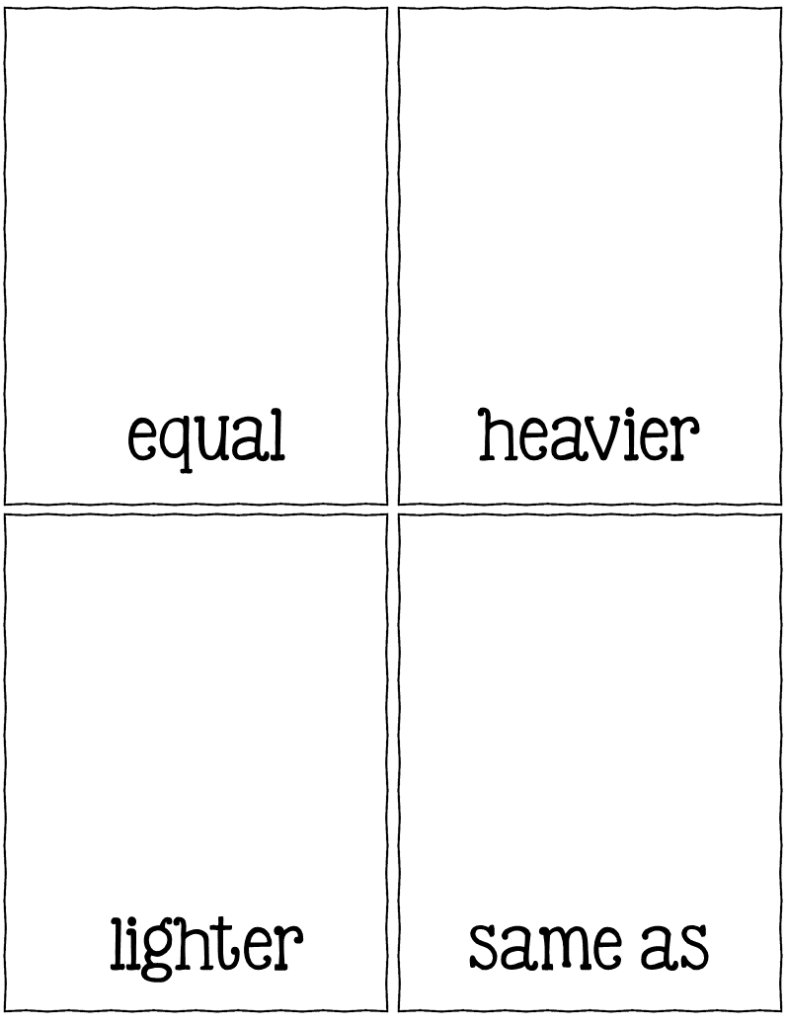
You could shrink this to 50% of its original size if you wanted to save some paper or have it kept in an interactive math journal. If you would like a free copy of the math vocabulary book, click on the picture above.
If you would like an editable slide for the math notebook, click below:
Math Vocabulary Freebie
The first two chapters of this book were excellent and provided me with some quick and easy activities that I could use with my students to enrich their learning experience. I’m excited to see what other teachers took away from these first two chapters as well! Check out Chapter 3 here!
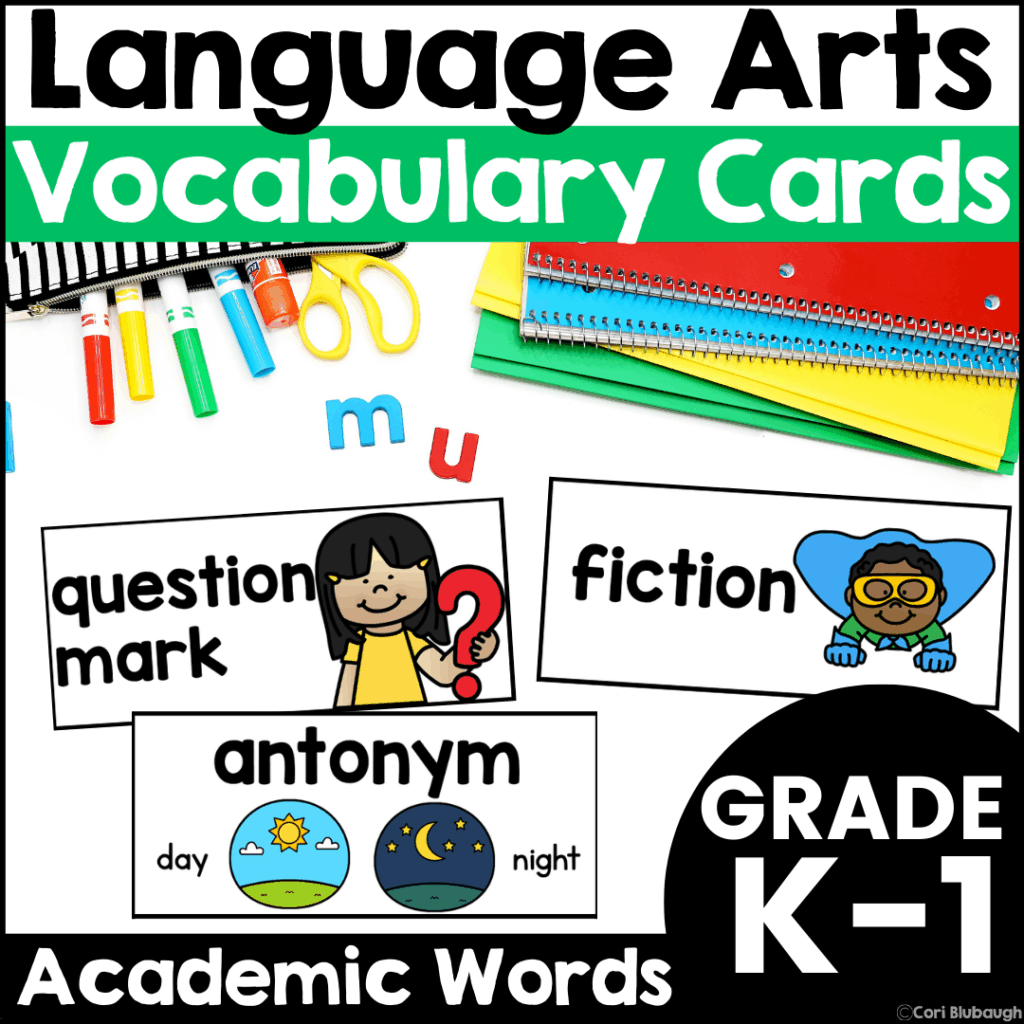
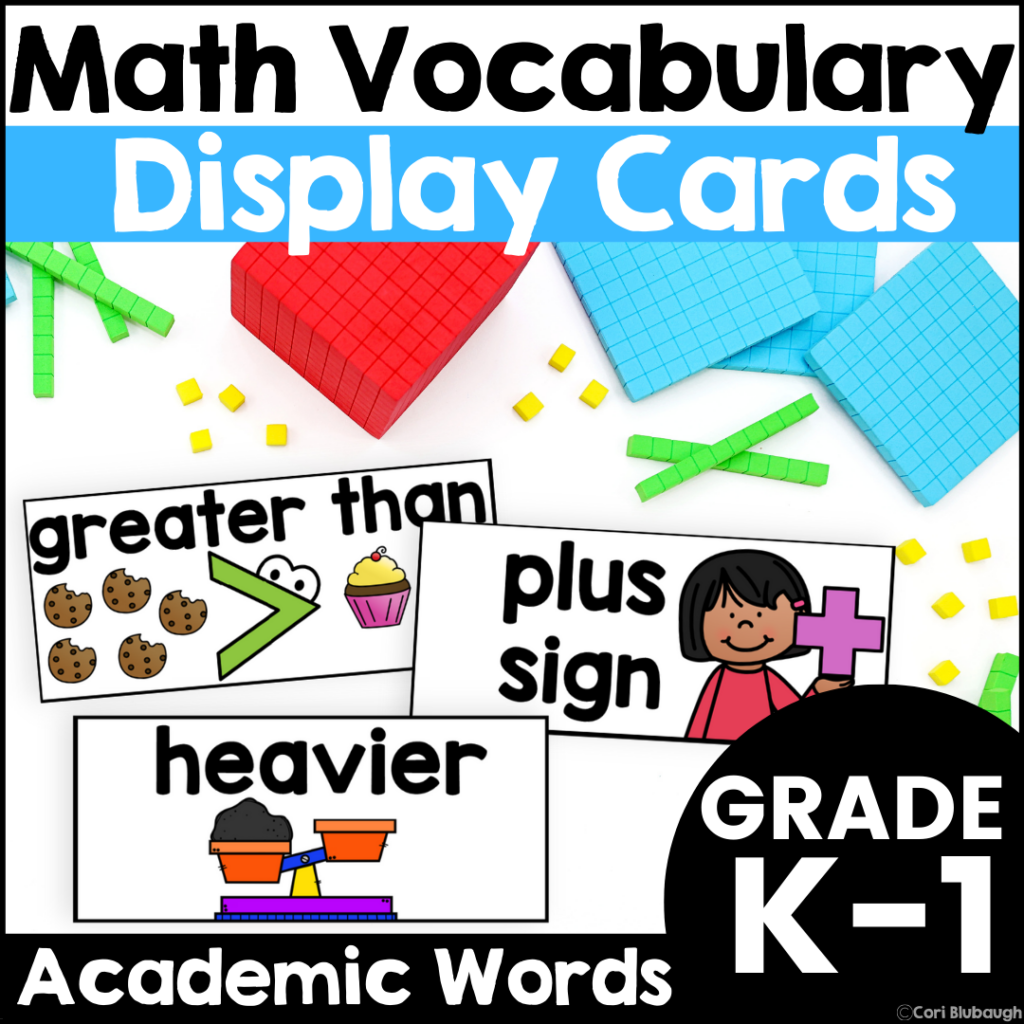
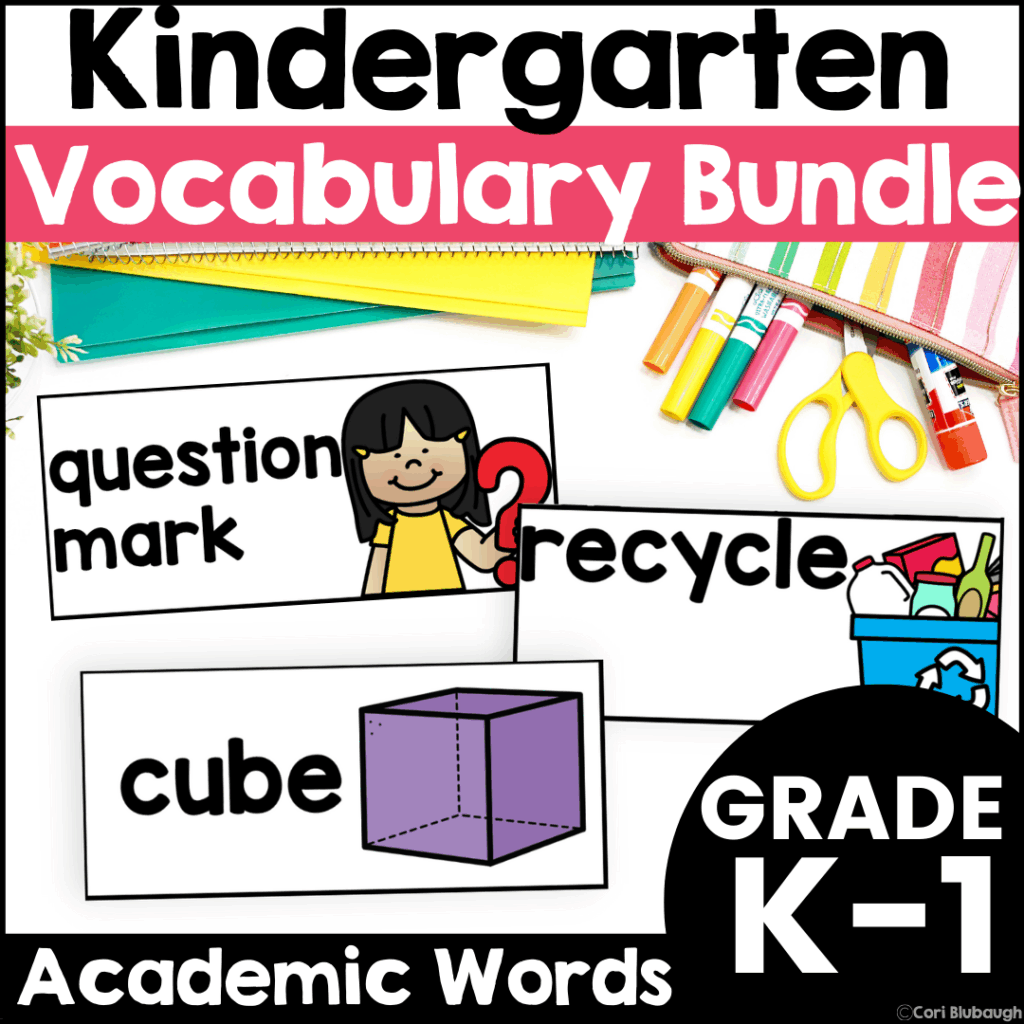
If you are interested in additional vocabulary resources, check out the products below:
-

Language Arts Vocabulary Cards for Kindergarten
$3.50 -
Math Vocabulary Cards for Kindergarten
$3.50 -
Kindergarten Vocabulary Bundle – Science, Social Studies, and Language Arts Cards
Original price was: $11.00.$9.24Current price is: $9.24.