

Sorting activities in kindergarten often get labeled as “beginning of the year” skills, something we focus on in preschool or during those first few weeks of kindergarten. While it’s true that students start with basic concepts like sorting by color, shape, or size, sorting can (and should!) extend far beyond those early lessons. In fact, sorting is one of the most powerful and versatile strategies we can use year-round to build critical thinking skills in young learners.
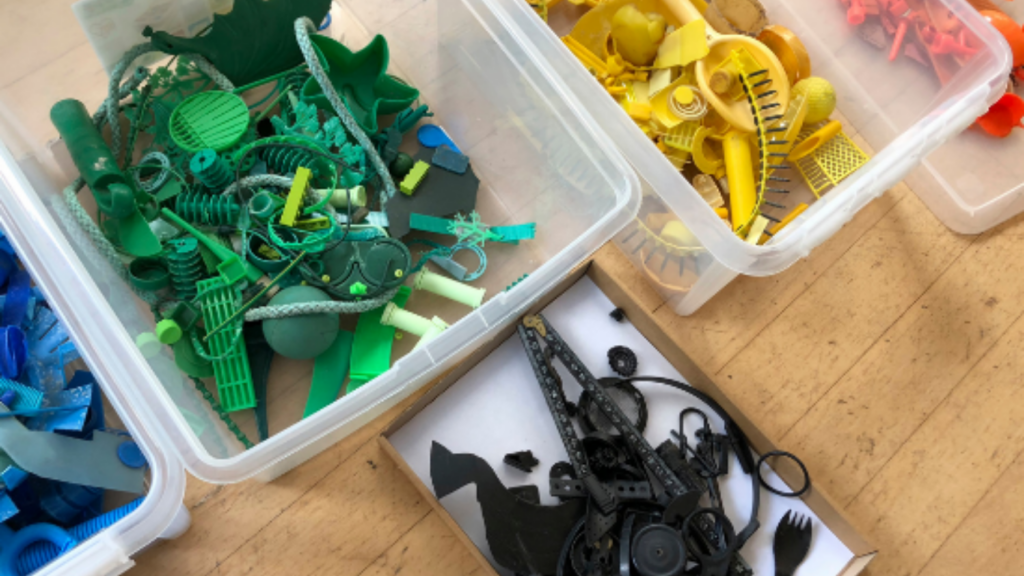
The Importance of Sorting
Sorting skills are some of the most foundational work we do in kindergarten, but we don’t always realize just how important they are. Think about your own daily life, sorting is everywhere! From separating laundry and organizing dishes to managing recycling and prioritizing your to-do list, sorting has become second nature to us as adults.
For our students, however, these skills must be explicitly taught and practiced.
When students engage in sorting activities, they are developing essential cognitive skills such as:
- Recognizing multiple attributes: Students begin to understand that one object can belong to more than one category. For example, a shape can be both red and a triangle.
- Building higher-order thinking skills: Sorting requires students to analyze, compare, and make decisions based on rules or patterns.
- Strengthening memory: Students must hold the sorting “rule” in mind as they work through each item, which helps them build working memory.
- Developing executive functioning skills: Skills such as organization, attention, and task completion are strengthened through sorting practice.
These are the same skills students will rely on as they grow into independent learners, and eventually, adults managing complex tasks on their own.
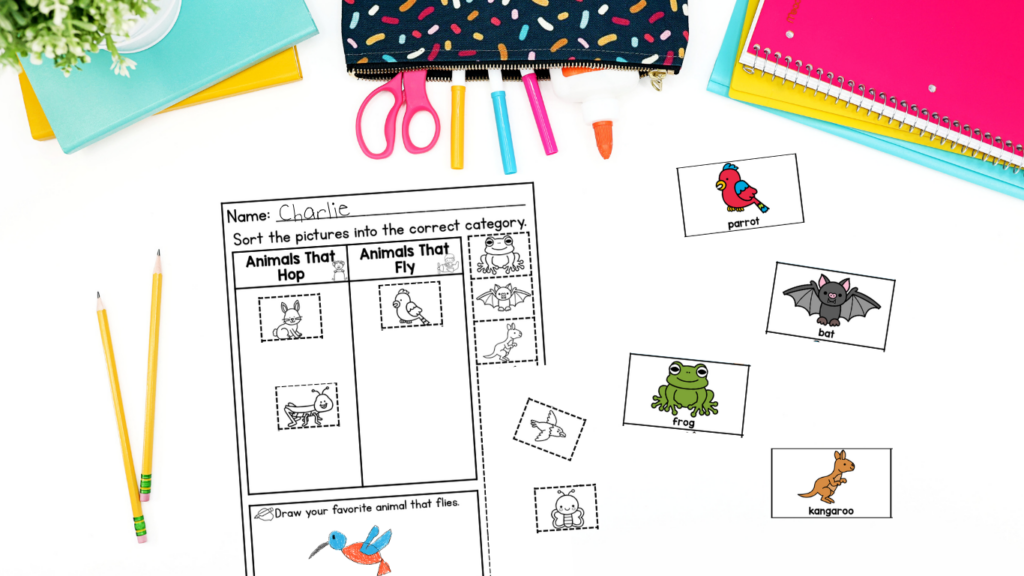
Taking Sorting Beyond the Basics
While we often begin the year with simple sorts, such as color or shape, kindergarten students are capable of so much more. As the year progresses, sorting activities can become increasingly complex and integrated into all subject areas.
Sorting should not be limited to one part of your day. It can be used during:
- Whole group lessons
- Small group instruction
- Guided reading
- Math centers
- Literacy centers
- RTI or intervention time
- Informal assessments
The key is to provide meaningful, engaging content and clear visuals so students can work independently and confidently, especially during center time.
Sorting Ideas for the Kindergarten Classroom
If you’re looking to expand your sorting activities, here are some ideas that work across the curriculum:
Literacy-Based Sorting
- Uppercase vs. lowercase letters
- Beginning, medial, and ending sounds
- Blends and digraphs
- Short vs. long vowels
- Vowel teams and r-controlled vowels
Math Sorting
- Length or size of objects
- Even vs. odd numbers
- 2D vs. 3D shapes
- Coins and values
Science Sorting
- Living vs. non-living things
- Magnetic vs. non-magnetic objects
- Recycling categories
- Weather types
Social Studies & SEL Sorting
- Emotions
- Expected vs. unexpected behaviors
- Rules at school vs. home
One of the best things about sorting activities is how easy they are to differentiate. You can have multiple groups working on different skills at the same time, one group sorting beginning sounds while another focuses on vowel patterns or even science concepts.
A Simple Way to Build Deeper Thinking
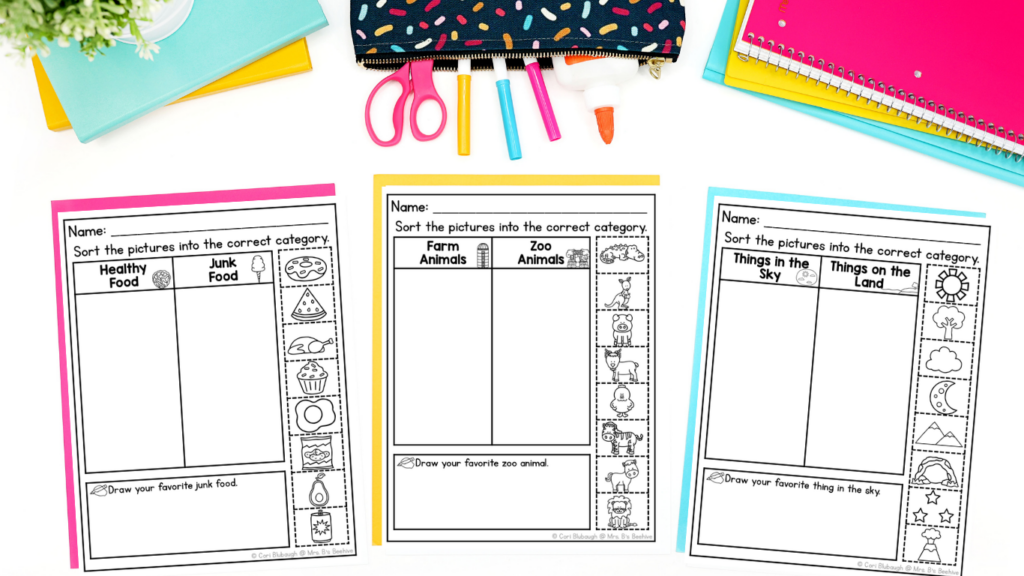
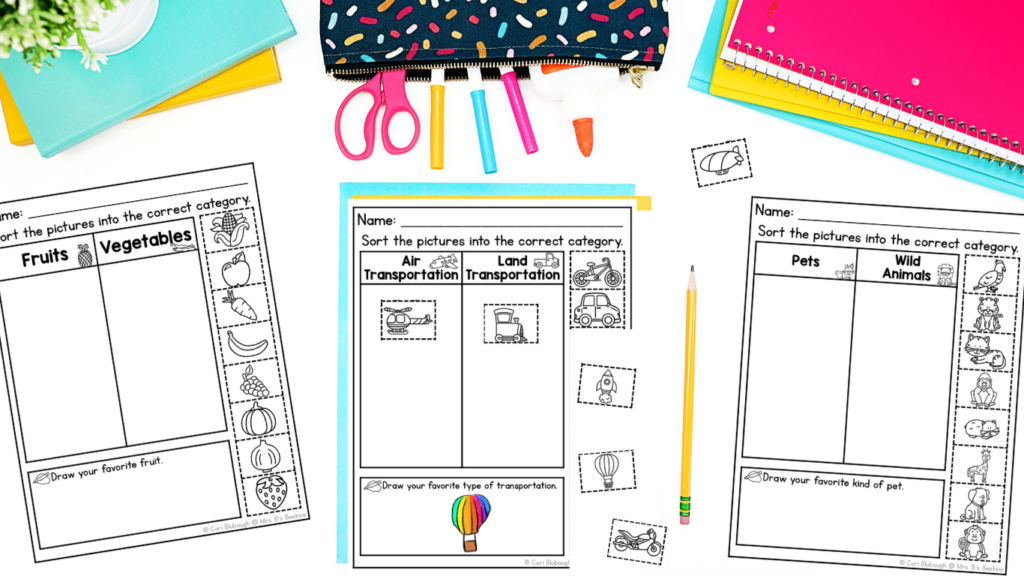
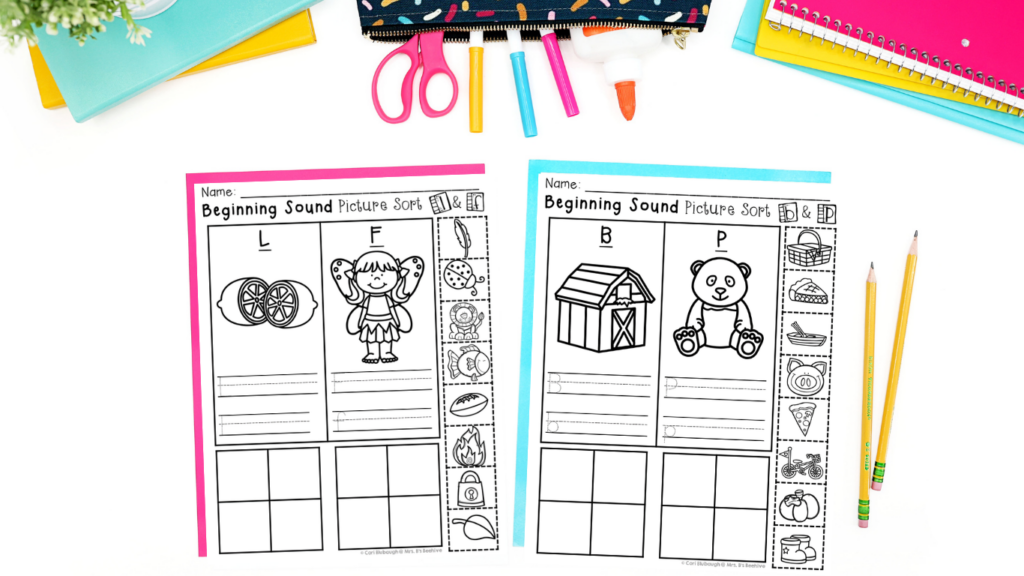
If you’re ready to take your sorting activities to the next level, incorporating structured worksheets can be a game-changer, especially for independent practice or assessment. I recently created a sorting worksheet resource where students are given two topics and asked to sort picture cards into the correct categories. This helps students clearly compare and contrast concepts while applying what they’ve learned in a hands-on, visual way. It’s perfect for centers, morning work, or quick checks for understanding!
Sorting Activities and Resources
Over the years, I’ve created a wide variety of sorting activities because I truly believe this is a must-have skill in every kindergarten classroom. Some of my favorite resources include:
-

Sorting Objects Into Categories Worksheets
$3.00 -
Math Worksheets Bundle – No PREP Math Review
Original price was: $17.15.$13.60Current price is: $13.60. -
Phonics Worksheets and Picture Sorts Bundle for Centers and Morning Work
Original price was: $26.25.$19.99Current price is: $19.99.
- 2D and 3D Shape Sorts
- Beginning Sounds Picture Sorts (scroll further to get a FREE sample!)
- Kindergarten Science Interactive Journal
- Sound Sorts for Guided Reading
- Short Vowel Sort Boom Card
- Short and Long Vowel Picture Sorts
These activities make it easy to spiral skills, keep students engaged, and provide meaningful practice throughout the year.
If you’re looking to try out sorting in your classroom, it’s a great idea to start small and build from there. Even introducing one new sorting activity a week can make a huge difference in your students’ ability to think critically and make connections.
Sorting activities in kindergarten give students the opportunity to explore concepts in a hands-on way while building lifelong skills. They’re simple to implement, easy to differentiate, and incredibly impactful.
Looking to test drive my phonics sorting resources? Grab a free preview of my beginning sounds worksheets by filling out the info below:
What are your favorite sorting activities to use in your classroom? I’d love to hear your ideas!