Patterns are everywhere in our world. From the stripes on a zebra to the sequence of seasons, patterns help us organize and make sense of our environment. In kindergarten, teaching pattern skills lays a foundational block for developing critical thinking, problem-solving, and mathematical abilities. This post will explore why pattern skills matter and how both teachers and parents can foster this essential learning at home and in the classroom.
Why Are Patterns Important?
Patterns are the building blocks of critical thinking and problem-solving. When children recognize and create patterns, they develop foundational skills that prepare them for academic success. Here are some of the key benefits of teaching patterns:
- Math Readiness: Patterns teach children about sequences, which are essential for understanding numbers, operations, and algebra. For instance, recognizing a simple ABAB pattern lays the groundwork for understanding skip counting and multiplication later on.
- Language and Literacy Development: Patterns also exist in language. Rhymes, rhythms, and story structures help children predict what comes next, a skill that supports reading comprehension and fluency.
- Cognitive Growth: Pattern recognition strengthens memory, reasoning, and the ability to find order in chaos. It trains young minds to look for connections, an essential skill for scientific observation and hypothesis testing.
- Everyday Applications: Understanding patterns helps children navigate routines and predict outcomes, giving them a sense of control and structure in their daily lives.
Pattern skills have been removed from the required math standards for kindergarten. I assume this is because they think these skills have been practiced prior to reaching kindergarten. In my experience, incoming students have had a wide range of schooling (or not) prior to kindergarten, and pattern skills still need to be focused on, especially at the beginning of the year.
How Teachers Can Introduce Patterns
Introducing patterns to kindergarten students can be a fun and engaging process that sets the stage for a deeper understanding of math, literacy, and the world around them. As a teacher, you can use various strategies to make pattern recognition interactive and accessible for young learners. Here are some ways to introduce patterns in the classroom:
1. Start with Concrete Materials
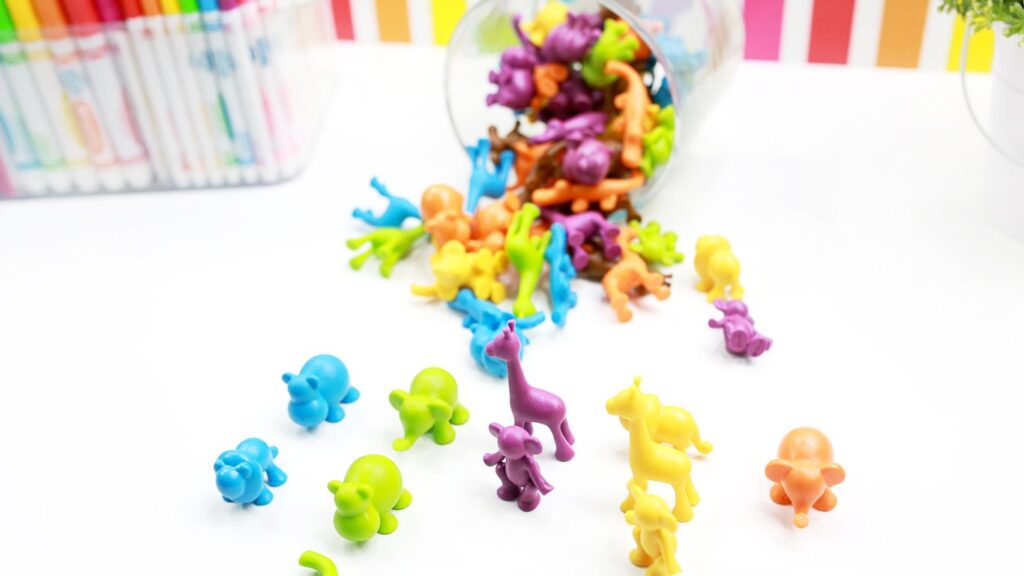
One of the most effective ways to introduce patterns is by using hands-on materials that children can manipulate. Concrete objects, such as colored blocks, counting bears, buttons, or even everyday classroom items like crayons, can help make abstract concepts more tangible.
- Activity Idea: Arrange a simple pattern using colored blocks (e.g., red, blue, red, blue) and ask students to identify the repeating color sequence. Once they can recognize the pattern, invite them to extend it or create their own patterns using additional blocks.
2. Incorporate Patterns in Daily Routines
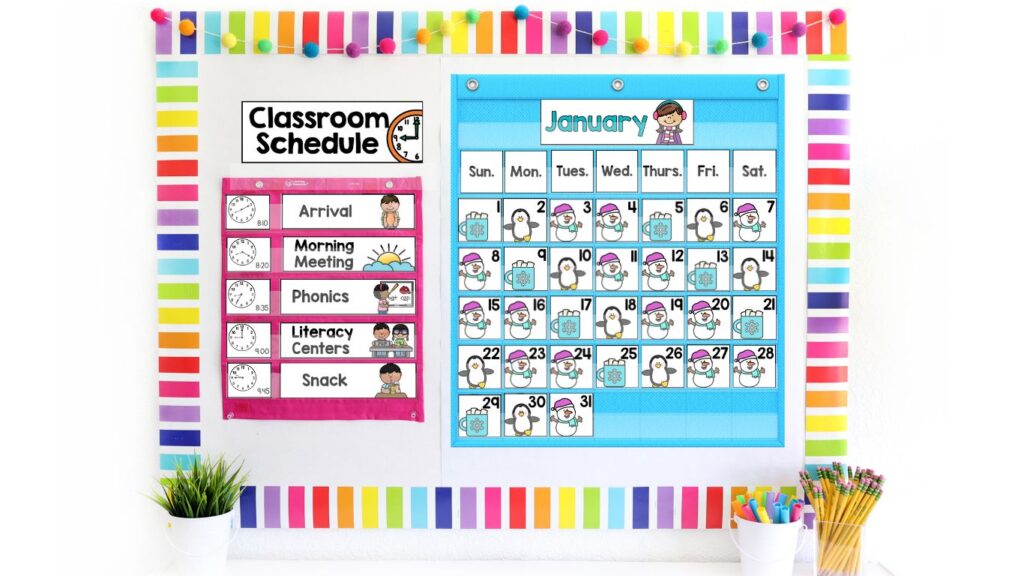
Make patterns a part of your daily classroom routines. The more students are exposed to patterns in their environment, the more they will recognize them. For example, you could use the daily schedule to highlight repeating events.
- Activity Idea: Create a visual schedule that uses symbols or pictures to represent different parts of the day (e.g., circle for morning meeting, square for snack time, triangle for recess). Talk to the students about the schedule’s repeating nature as a pattern.
3. Use Songs and Rhymes with Repetition
Songs, rhymes, and chants are great tools for reinforcing patterns, especially those involving sounds. Repeated phrases, rhythmic beats, and rhyming words create natural patterns that young children can easily identify and follow.
- Activity Idea: Use songs like “The Wheels on the Bus” or “If You’re Happy and You Know It” to highlight repetitive phrases or actions. For example, in “The Wheels on the Bus,” the repeated actions (wheels going round, wipers swishing) are referred to as patterns.
4. Incorporate Visual Pattern Charts
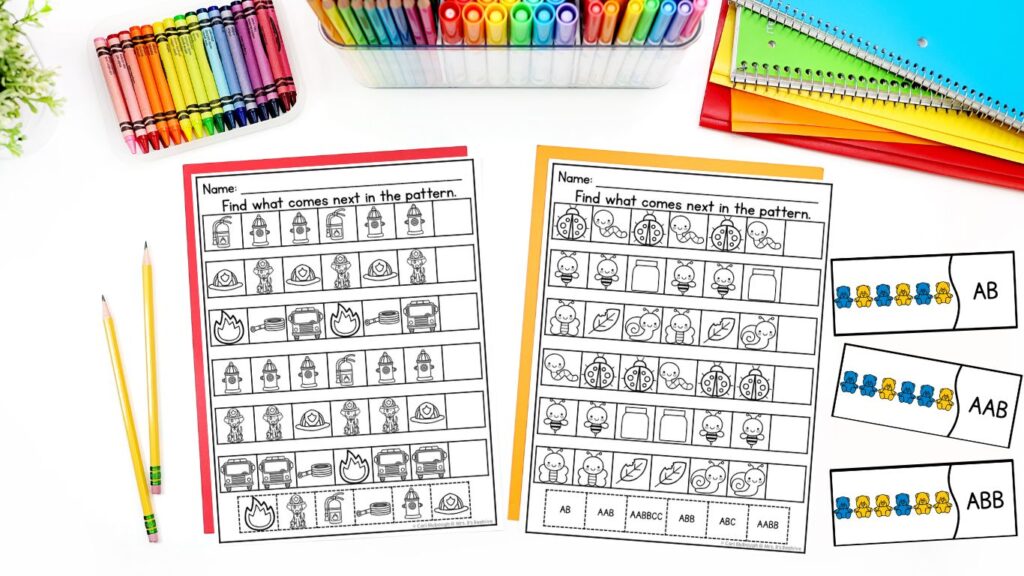
Visual aids, such as pattern charts, can help students see pattern repetition more clearly. Create a large pattern chart on the whiteboard or a poster with simple repeating patterns using colors, shapes, or pictures.
- Activity Idea: Draw a simple AB pattern on the board (e.g., circle, square, circle, square) and ask students to predict what comes next. Gradually increase the complexity by introducing patterns like AAB or ABC. This visual representation can be particularly helpful for visual learners.
5. Explore Patterns in Nature and the Environment
Take students outside or look around the classroom to spot patterns in the natural world. Patterns are everywhere, from the leaves on trees to the arrangement of tiles on the floor. This real-world connection helps make the concept more meaningful.
- Activity Idea: Go on a “pattern walk” around the school or playground, asking students to look for repeating patterns in leaves, flowers, or even the arrangement of bricks on a wall. Bring in pictures of patterns in nature (like the stripes on a zebra or the spots on a ladybug) for further discussion.
Add pattern cards to a sensory bin and practice fine motor skills with the fall math centers:

6. Use Pattern Books and Literature
Books that highlight patterns in the story or illustrations can be a great resource for introducing the concept to young learners. These books often have repeating text or visual patterns that children can identify and discuss.
- Activity Idea: Read books such as Brown Bear, Brown Bear, What Do You See? by Bill Martin Jr. or Pattern Fish by Trudy Harris. Pause during the story to point out the repeating patterns and ask students to predict the sequence’s next steps.
7. Create Interactive Pattern Activities
Turn pattern recognition into an interactive game or challenge. Simple worksheets, digital activities, or hands-on group tasks can engage children in pattern activities while reinforcing their understanding of the concept.
- Activity Idea: Provide students with a set of pattern cards (e.g., pictures of animals, shapes, or objects) and ask them to organize them into patterns. Alternatively, use a set of pattern blocks and challenge students to create their own patterns with the shapes.

- Pattern Task Cards – Included in Kindergarten October Early Finisher Task Cards
- Pattern Practice Boom Cards
How Parents Can Support Pattern Skills at Home
Parents play a crucial role in reinforcing pattern skills outside the classroom. By incorporating pattern activities into everyday routines and at-home activities, parents can help strengthen their child’s understanding and application of patterns in fun and engaging ways.
1. Incorporate Patterns into Daily Routines
At home, parents can make pattern recognition a part of daily life by pointing out repeating sequences in everyday activities. Whether it’s the pattern of clothing choices, mealtimes, or the arrangement of toys, children will start to recognize how patterns show up around them.
- Activity Idea: During mealtime, ask your child to set the table using a pattern (e.g., plate, napkin, plate, napkin). You can also create simple patterns with their food (e.g., alternating slices of apple and cheese) and encourage them to identify and predict the next item.
2. Use Household Objects to Create Patterns
Common household items like buttons, coins, or even colorful socks can be great tools for pattern activities. These items are easy to manipulate and can be used to create simple to complex patterns for children to identify or extend.
- Activity Idea: Lay out a series of buttons or fruit, and ask your child to continue the pattern. You can also use different colored socks to create a color sequence or build patterns with a set of toys or blocks.
3. Engage in Creative Arts and Crafts
Art activities are another fun way to explore patterns. Parents can provide materials such as colored markers, paints, or stickers to create visual patterns and sequences.
- Activity Idea: Create a craft project where your child makes a pattern using colored markers, stickers, or stamps. For example, they can make a repeating pattern of stars and hearts or use paint to make a patterned design on paper.
Teaching pattern skills in kindergarten is not just about math—it’s about developing the cognitive, problem-solving, and language skills children need to succeed in a variety of academic and life situations. Children are laying the groundwork for future learning in all subjects by recognizing and creating patterns. Whether you’re a teacher in the classroom or a parent at home, fostering pattern skills is a powerful way to support your child’s growth and development.
Check out my additional math resources on the website!