
Leprechaun trap activities are one of my favorite ways to bring a little magic into the classroom in March! There’s just something about the idea of catching a mischievous little leprechaun that completely captures kindergarteners’ attention. At this age, they aren’t quite sure whether leprechauns are real or not, and that uncertainty makes the entire experience even more exciting.
When you introduce a leprechaun trap into your lesson plans, you instantly tap into your students’ wild imaginations. Their creativity takes over, conversations explode with ideas, and suddenly you have the perfect opportunity to blend storytelling, sequencing, STEM, and writing into one highly engaging activity.
Leprechaun Trap STEM Fun
Many classrooms incorporate leprechaun traps as part of a March STEM challenge. I’ve done this before, and my students absolutely LOVED it. The excitement of designing and building their own trap is unmatched!
If you’re planning a class project, you can:
- Send home an optional family STEM project.
- Build traps together in small groups.
- Create one large class trap.
- Or keep it simple with basic materials like shoeboxes, paper towel rolls, construction paper, and tape.
You can even find ready-to-use leprechaun trap kits at places like Oriental Trading or Amazon if you want to simplify prep.
But what I really love is extending the STEM project into literacy.
Start With a Great Leprechaun Book
Before jumping into writing, I like to read one of these fun mentor texts:
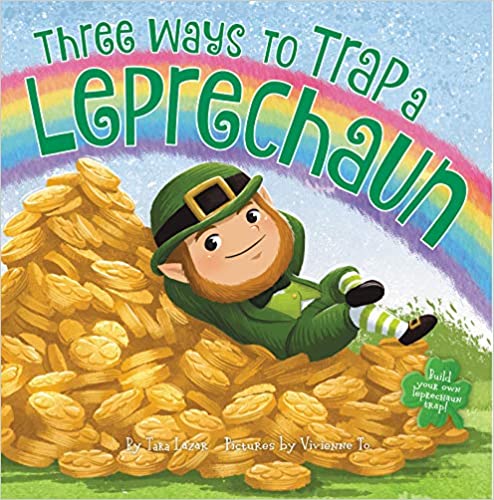
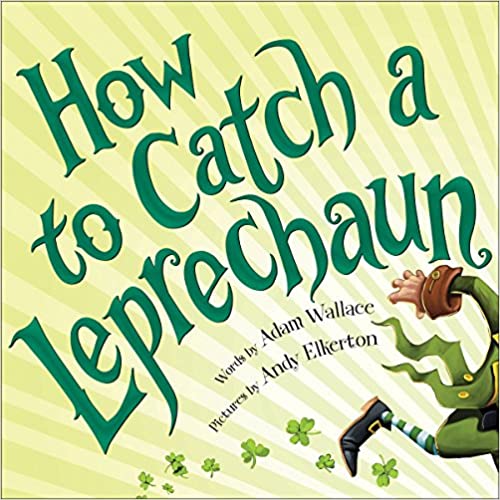
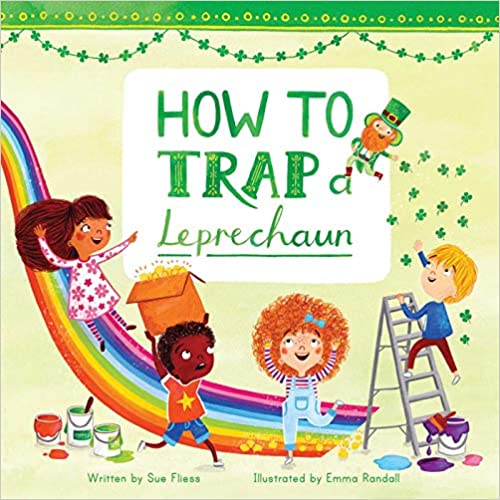
These stories are perfect for discussing:
- Problem and solution
- Beginning, middle, and end
- Cause and effect
- Sequencing events
They naturally set the stage for students to think through how a trap works step-by-step.
Leprechaun Trap Sequencing & Writing Resource
The free resource I’m sharing focuses specifically on story sequencing using a leprechaun trap theme. It gives you several options so you can differentiate or build writing skills gradually.
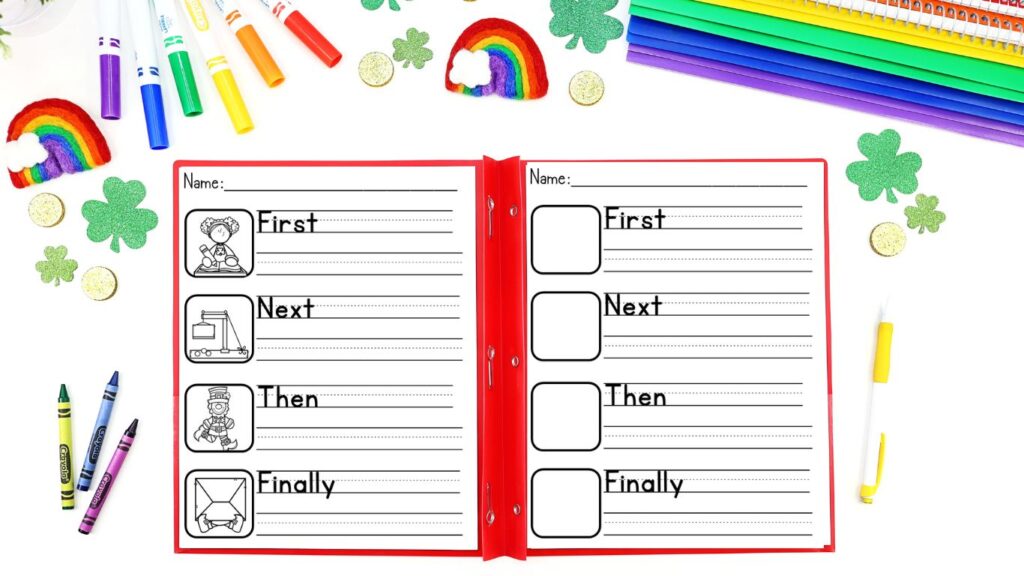
1. Four-Panel Sequencing Worksheet
Students are given four sequential pictures that show how a trap works. Under each picture, they write a short description of what is happening.
This is perfect for:
- Early writers
- Small group instruction
- Introducing sequencing concepts
It keeps writing manageable while still encouraging complete thoughts.
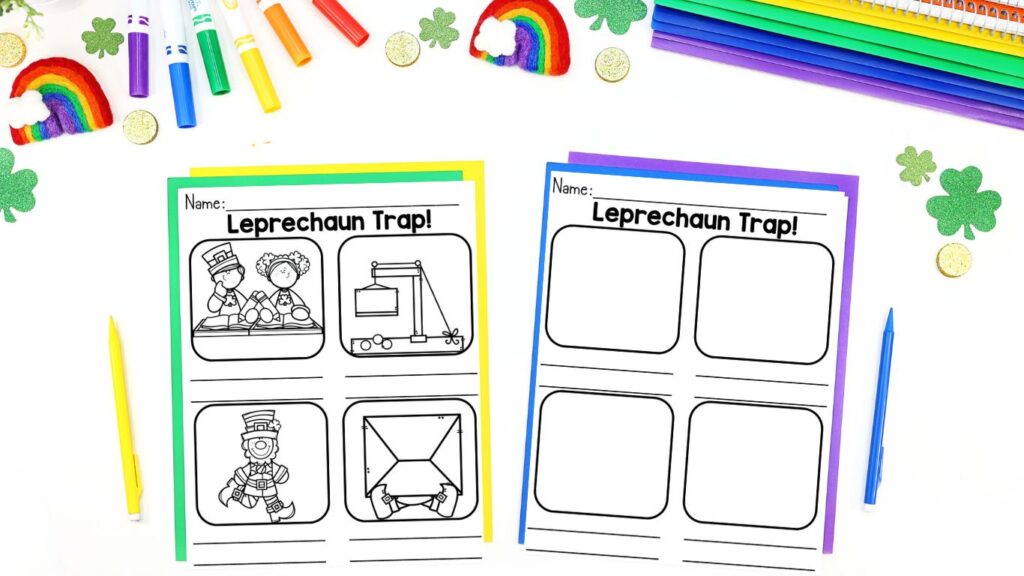
2. Blank Sequencing Template
I’ve also included a blank version of the same worksheet.
This works beautifully if:
- Students build their own traps at home.
- You complete a class STEM project.
- You want students to illustrate their own steps.
They can draw what happened first, next, then, and last, and then write about each step. It’s a great way to personalize their writing.
3. Transition Word Version
The next worksheet provides more structure by incorporating transition words like:
- First
- Next
- Then
- Finally
This version helps students move beyond labeling pictures and begin forming a cohesive paragraph. It’s a great bridge from sentence writing to structured storytelling.
4. Pocket Chart Picture Cards
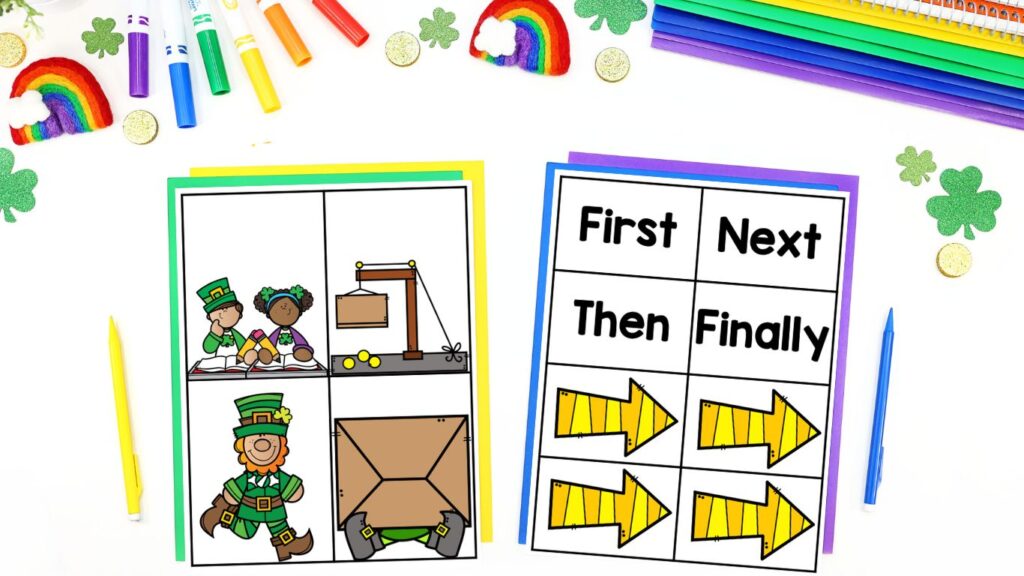
I’ve also included picture cards that you can use in:
- A pocket chart
- On your whiteboard
- In small groups
You can mix up the cards and have students physically sequence the events. This hands-on component is especially helpful for your visual and kinesthetic learners.
5. Open-Ended Writing Page
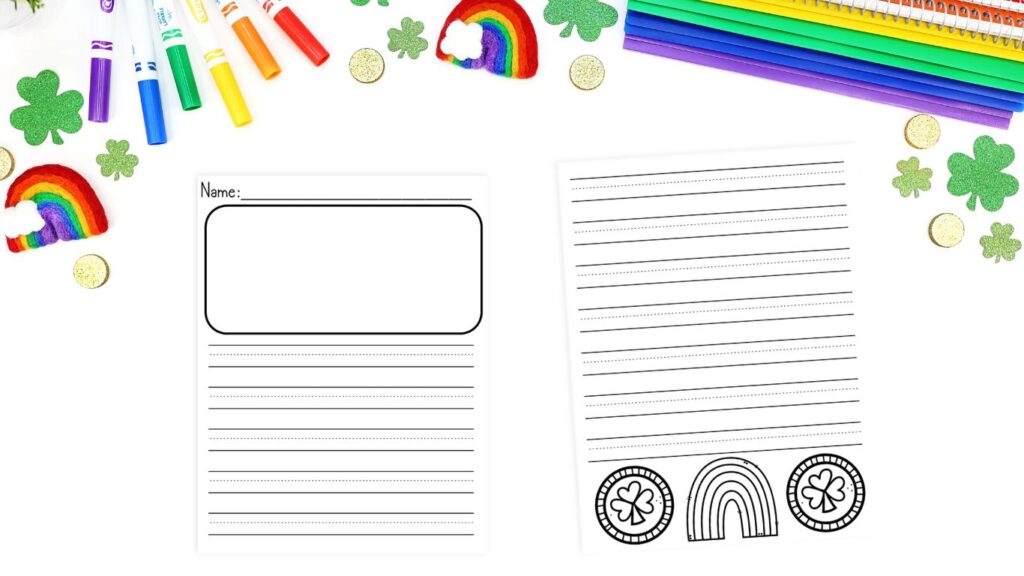
Finally, there’s a large writing box page with plenty of space for students to create their own leprechaun trap story.
How You Could Use This in Your Classroom
There are so many ways to structure this learning sequence:
Option 1: Literacy → STEM → Writing
- Read a leprechaun book.
- Practice sequencing with picture cards.
- Build a class or small-group trap.
- Return to the blank writing pages to document how the trap was built.
Option 2: Step-by-Step Writing Growth
- Start with sequencing pictures.
- Add transition words.
- Move to a full paragraph.
- Finish with an illustrated story.
Option 3: Differentiation
- Struggling writers use the picture-supported version.
- On-level writers use transition words.
- Advanced writers create their own illustrated narrative.
No matter how you use it, you’re building:
- Sequencing skills
- Beginning writing stamina
- Logical thinking
- Oral storytelling
- STEM connections
All wrapped up in a little St. Patrick’s Day magic!
If you’d like a copy of this free sequencing resource, just fill out the information below!
Looking for More Beginning Writing or St. Patrick’s Day Resources?
If you want to keep the learning going, you might also enjoy:
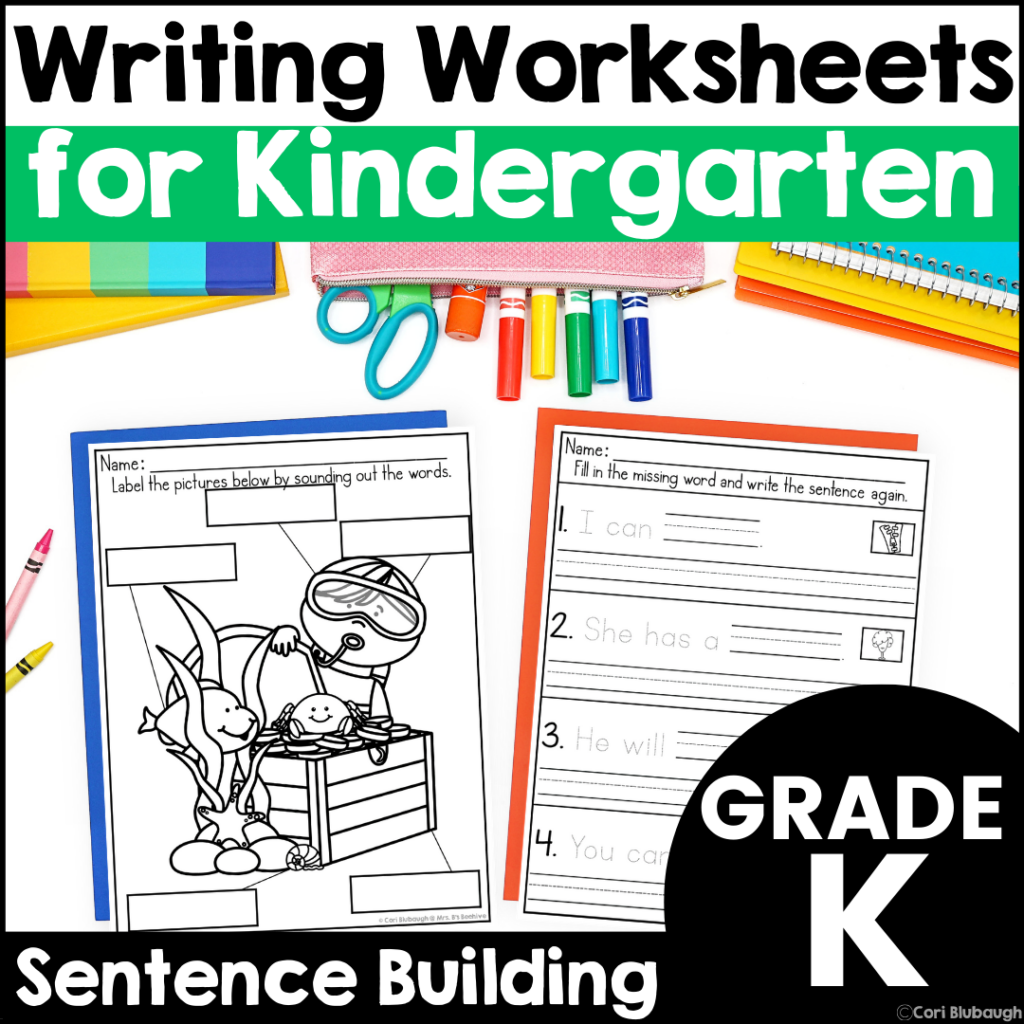
- Beginning Writing Skills
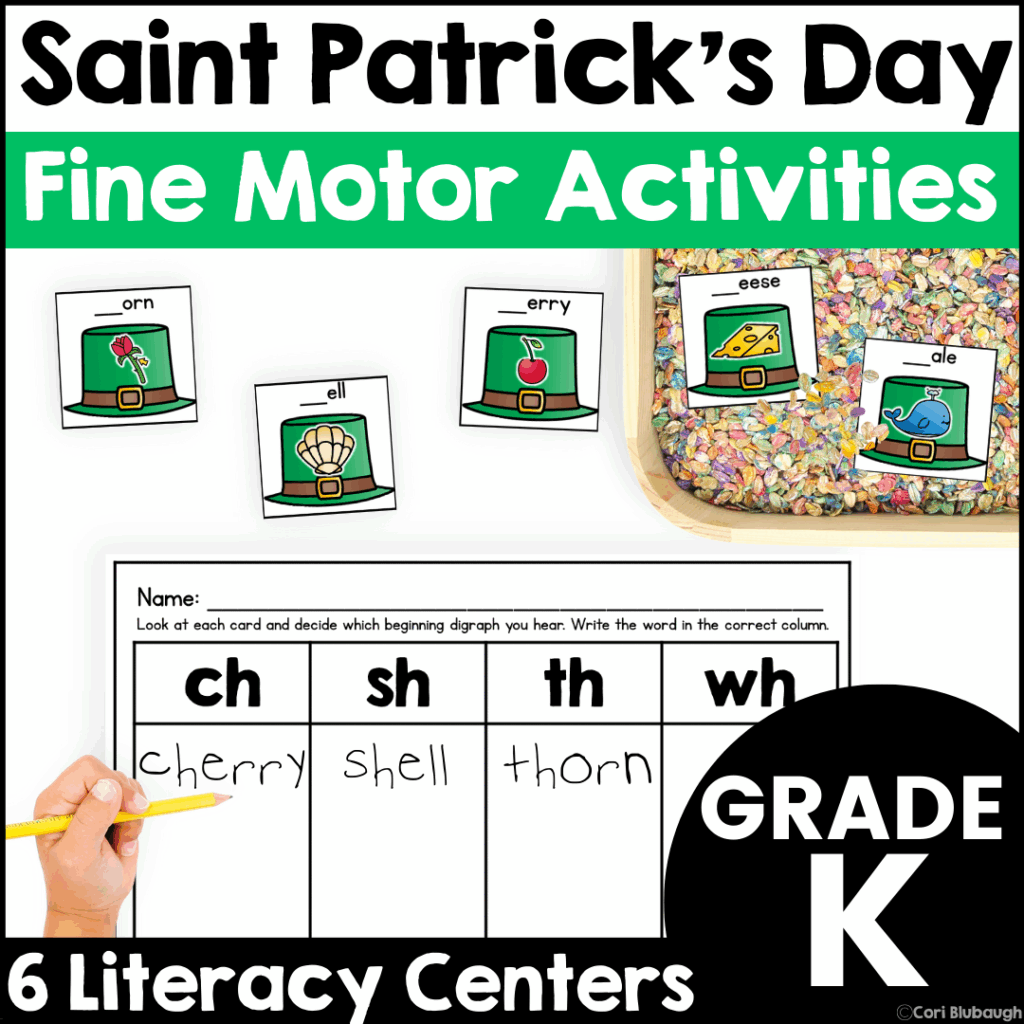
- Saint Patrick’s Day – Literacy Sensory Bins
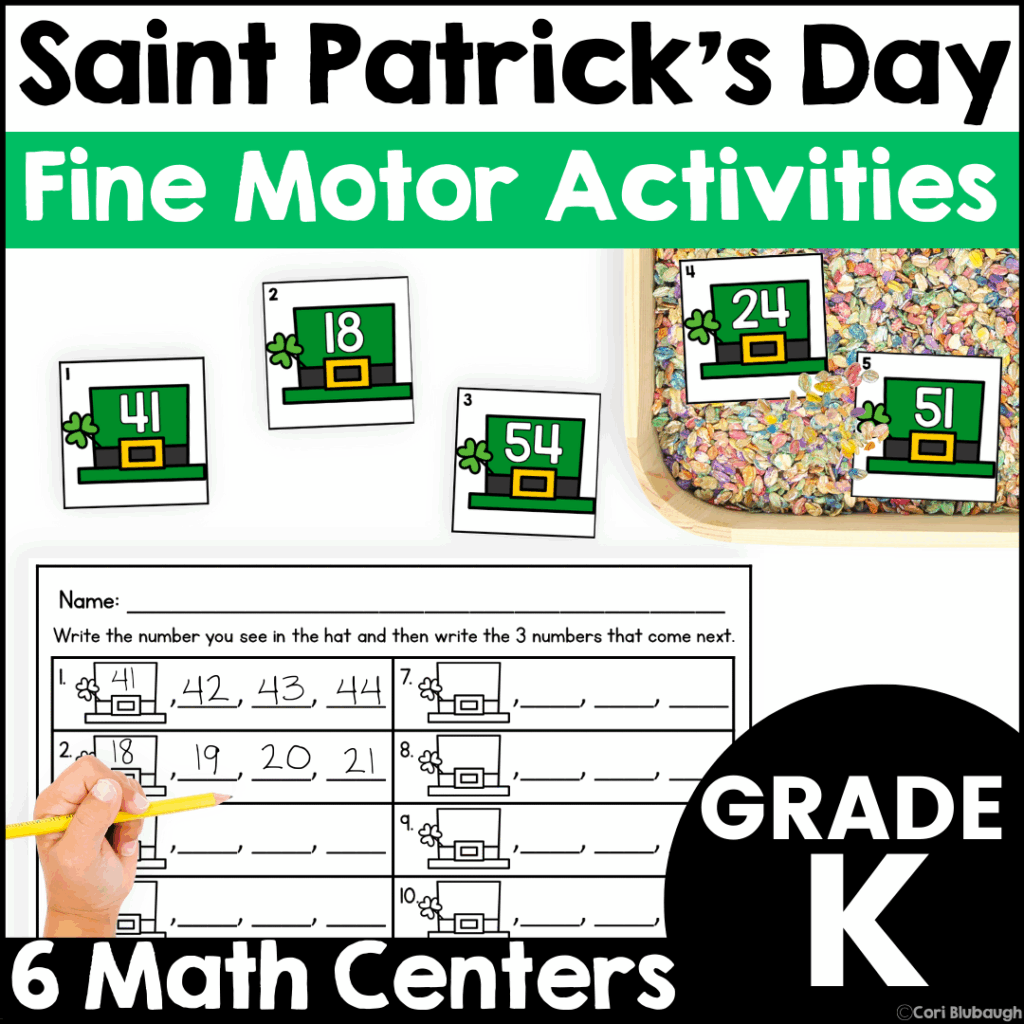
- Saint Patrick’s Day – Math Sensory Bins
Leprechaun season only comes once a year; you might as well make the most of it!


