Let’s talk about 5 ways we can build confidence in beginning writers. If your kids are like mine, some are willing to jump in with both feet and test the waters of writing, while others are very reluctant.
Every year, I have students who are very fearful of taking the first step. Some who are hesitant already know all of their letter sounds and are more than ready to start putting their thoughts on paper. I tell my students over and over that it doesn’t have to be perfect and that we are just practicing.
Regardless of how many times I repeat this, I still occasionally get panicked looks, and sometimes even tears. They tell me – “I can’t do it!” “I don’t know how to write!”
I decided to write a post sharing my best tips and tricks for helping kindergarten students build writing confidence, overcome their fears, and become successful writers.
1. Goal Setting for Beginning Writers
Students who struggle with their confidence often look to adults in their lives as a measure of what writers can achieve. They observe adults writing emails, texts, and notes at home, and think, “There’s no way I can do that!” They feel the need to possess all the skills before they even begin.
To help overcome this fear, I have my students set small goals for themselves. I meet with a couple of students each day during our writing time. We talk about their progress and set realistic goals together.
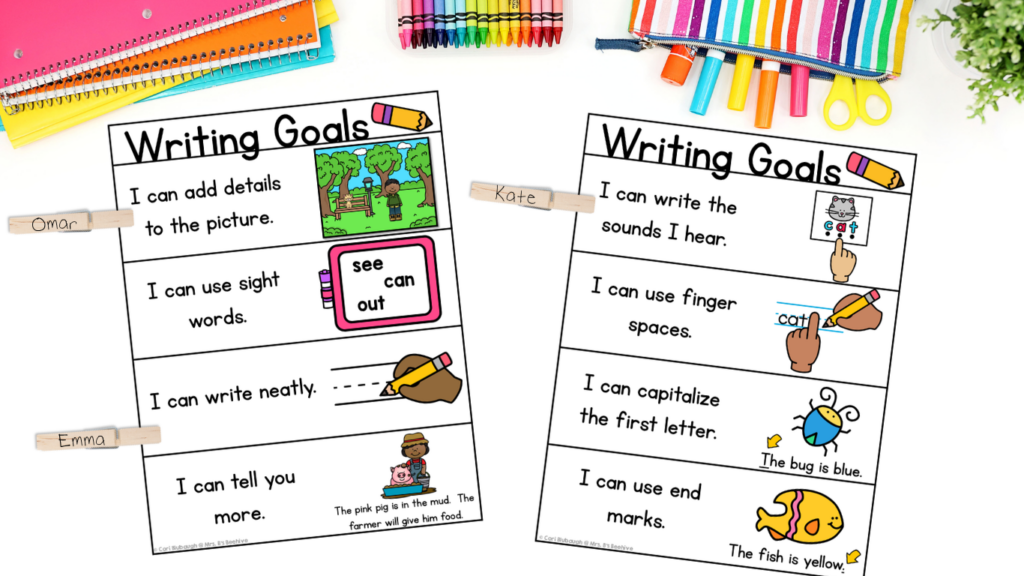
Some students are just beginning to learn the basics of identifying the beginning sound of a word and writing it down.
I see a big cat = I s a b c
Others have their beginning and ending sounds down.
I see a big cat = I se a bg ct.
Some students have their vowel sounds down and a decent sight word bank to draw from. These students are ready to work on more challenging goals, such as capitalization and spacing between words.
Other students can write sentences but need to work on refining their writing to add more detail and specificity. I find it amusing how some of my best writers just can’t be bothered with neatness because they are in such a rush to get their thoughts on paper!
Each student has different needs. Meeting them where they are and providing them with realistic goals helps them to grow.
If you would like a free copy of these writing goal sheets, just fill out the information below:
2. Praise Often
9 times out of 10, if a beginning writer is lacking confidence, consistent praise quickly changes their attitude! Noticing when they write down the correct beginning sound of a word, or acknowledging that their picture matches their writing, is so important!
I often give public and private praise to the students. Stickers and Scentos markers are great for extra motivation! I work at a school with only one class per grade, so I work closely with the teachers of Pre-K through 2nd grade.
Often, we have our students read to another teacher for additional encouragement. They come back beaming, saying, “Mrs. Vasquez says I’m ready for first grade!” : )
Growth Mindset for Beginning Writers
It’s crucial to provide beginning writers with specific feedback. Don’t tell them they are smart, and that’s why they knew the answer. I have made a conscious effort this year to be specific when praising my students.
It didn’t take long for me to see the benefits of this strategy. Now, I often hear in my class (after a student has answered a question correctly) – “Did you see that, Mrs. B?!?! When you first asked the question, I didn’t know the answer, but I took my time and really thought about it, and then I knew it!”
Here’s a list of ways that we can reframe praise to encourage a growth mindset!
3. Sharing Opportunities for Beginning Writers
I’m going to be honest with you, when I first started doing this, I thought it would be a disaster! Wouldn’t Maria notice that her writing skills were far below those of Nicholas’? Wouldn’t she be embarrassed to show her work when her sentences consisted of an unrecognizable string of letters, while Nicholas was writing a beautiful, complete paragraph?!?! With trepidation, I began a sharing schedule, and guess what?!?!? Nobody cared what their work was like compared to their fellow students!
They were so happy to get up in front of the class and share that they couldn’t have cared less about what the person before or after them was presenting!
During sharing, students are allowed two comments and two questions for each piece of writing they share. The praise they get from their peers boosts their confidence, and they LOVE answering questions about their work!
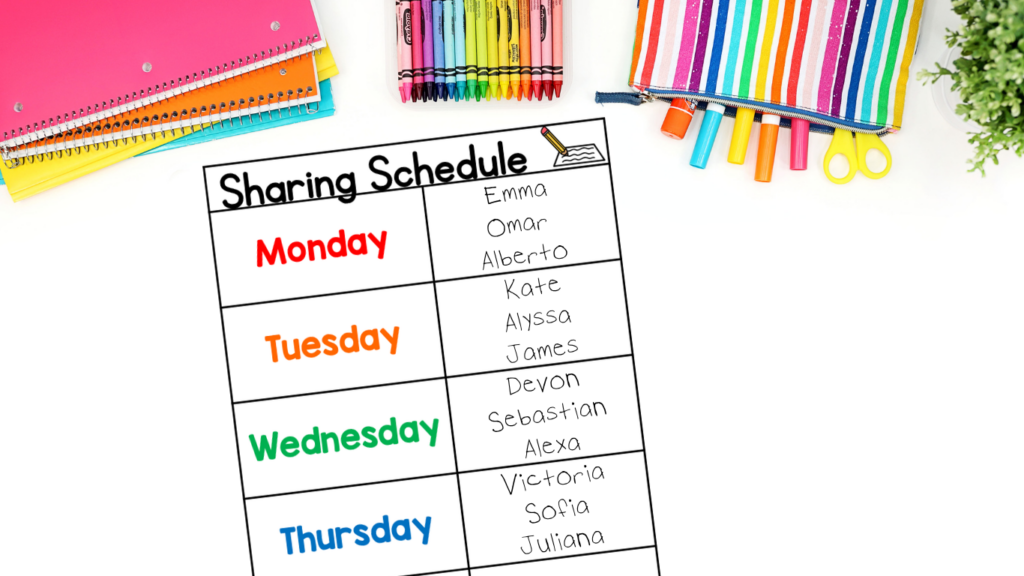
Here’s a quick example of my sharing schedule. If you would like a copy, click the link below:
Sharing Schedule Freebie
4. Creating a Safe Space
Mini-lessons are a great time to build excitement. Equally important (if not more so) is setting expectations for noise levels and whether collaboration is allowed (or not).
I put on our Too Noisy app to control the volume. I project my screen from my iPad or iPhone onto the whiteboard. When students are quiet, the app gives them a star every 2 minutes. If you purchase the paid version of the app ($1.50/month or $18 annually), you can adjust how often they receive a reward star.
The independent writing time of my writing workshop is 20 minutes. I set the star interval to 2 minutes so they know that when they get their last star, the independent writing time is over.
The pro version of this app also allows you to adjust the allowable amount of noise. You can also change the background images for some seasonal fun and keep things interesting.
You can have the stars add up to prizes if you’d like, whatever works best for your students.
Too Noisy App

I played soothing classical music during this time and allowed the students to sit wherever they chose.
I provide them with letter-sound sheets and personal sight-word lists, which they can use if they wish. I let them know where to get more paper and what to do when they are done with one piece of writing and move on to the next. (All of this is done through a series of mini-lessons at the beginning of the year.)
They know they need to work the entire time quietly. I meet with students one-on-one during this time, and they know not to interrupt me unless there’s a true emergency.
Do they occasionally talk to each other during this time? Yes, but 99% of the time, they ask another student for writing assistance. They ask how to spell a sight word or what letters are contained in a particular digraph. When I hear these hushed conversations, my heart is full of happiness. I love that they can rely on each other as part of a learning community!
Writing Materials
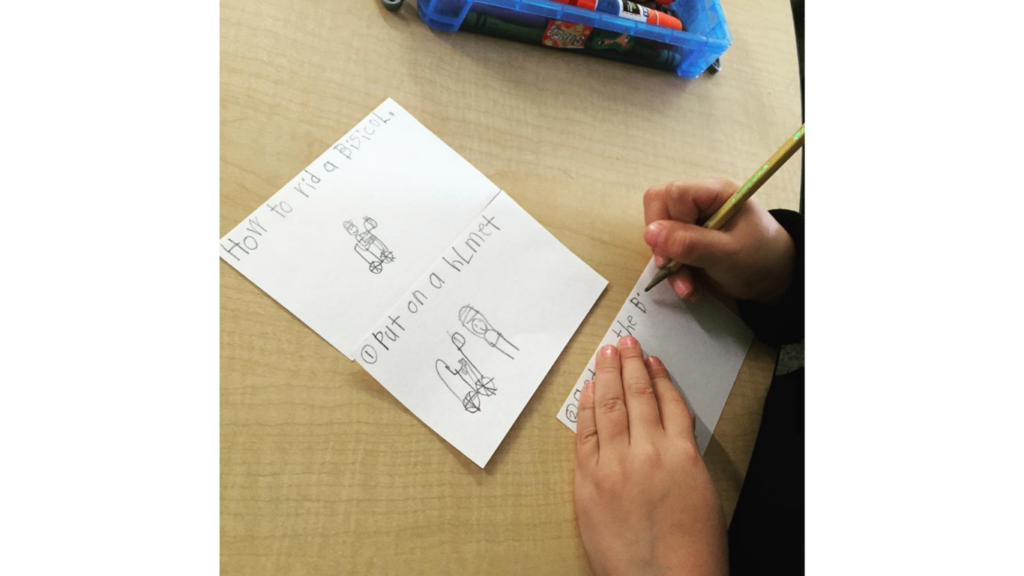
Recently, I saw an excellent idea on Instagram from @firstiefavorites about using index cards for our how-to writing. Kids have loved using them, and they are a huge motivator! You’ve got to keep materials and resources new and exciting as you move through the writing genres.
#5 Consistency is Key for Beginning Writers
The writing routines that my students have down were not learned in a day. It took repetitive practice. After a couple of weeks, the students had it, and at this point in the year, I feel confident that they could conduct a writing workshop without me even being in the room.
As we move through the kindergarten writing standards, our focus on what we write changes. The routines and practices of clearing our minds and working in a quiet and productive environment do not.
Building writing stamina takes time, and tracking how long you can have a sustained period of quiet is important. You may only start with 5 minutes, but that’s okay! Tomorrow will be 6 minutes, and before you know it, 20 minutes will be a piece of cake.
Beginning Writers Resources
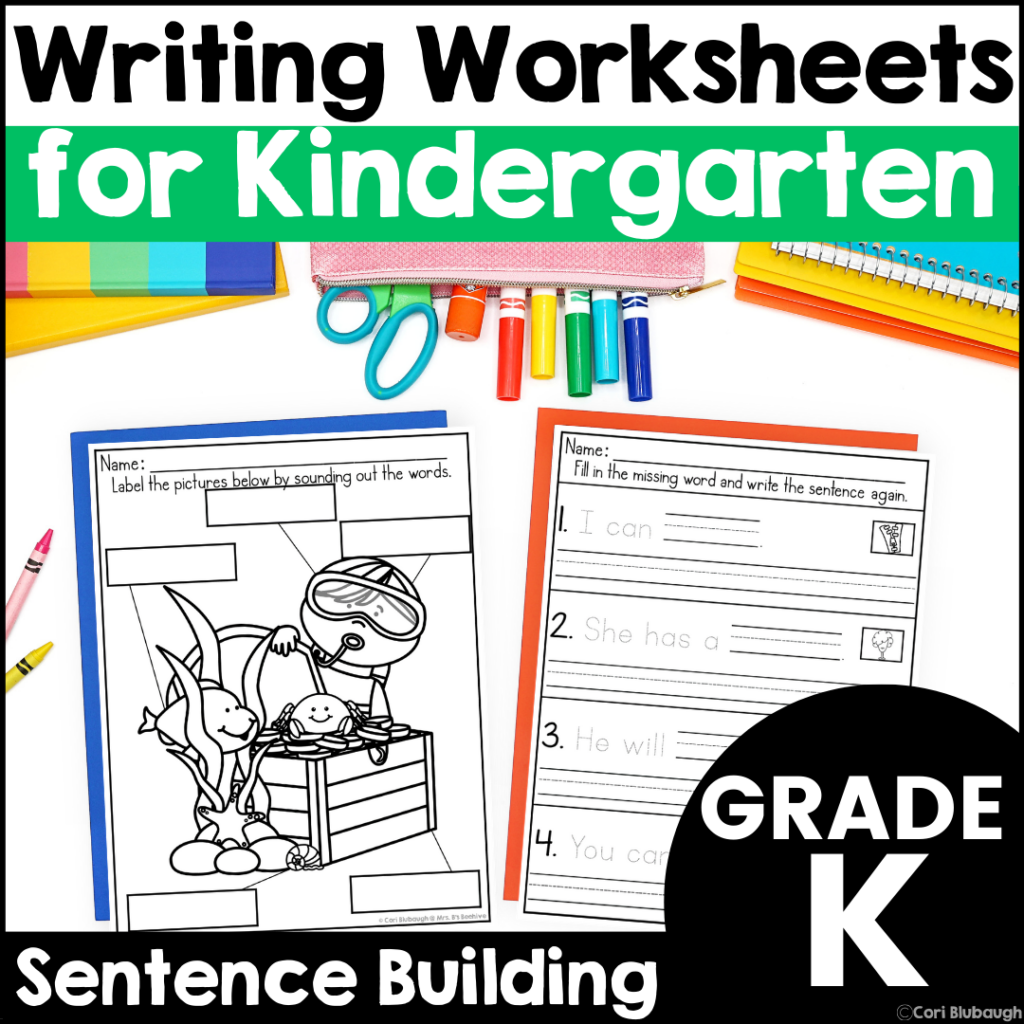
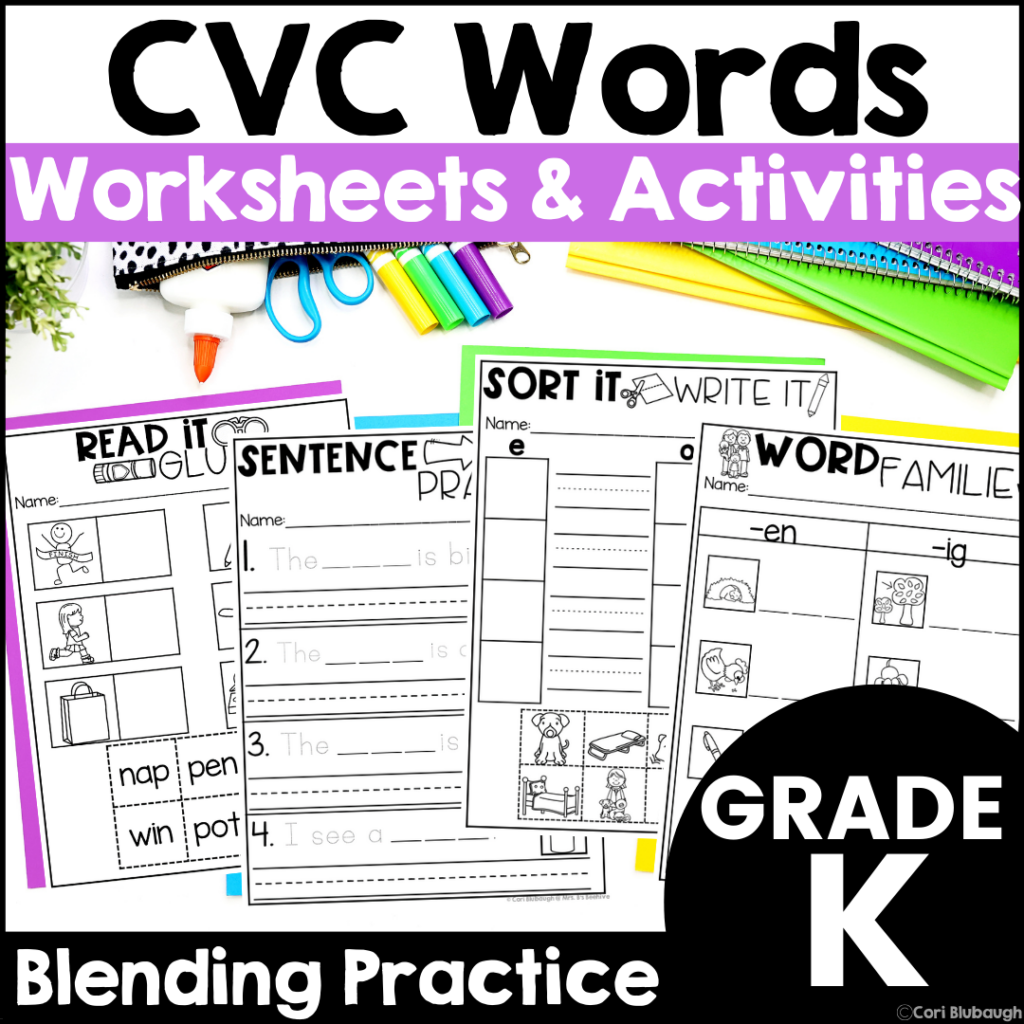
Scaffolding is another very important tool in building kindergarten writing confidence. I use worksheets like the ones below to provide guided practice. We work on concepts such as capitalization, end marks, finger spacing, and sounding out words.
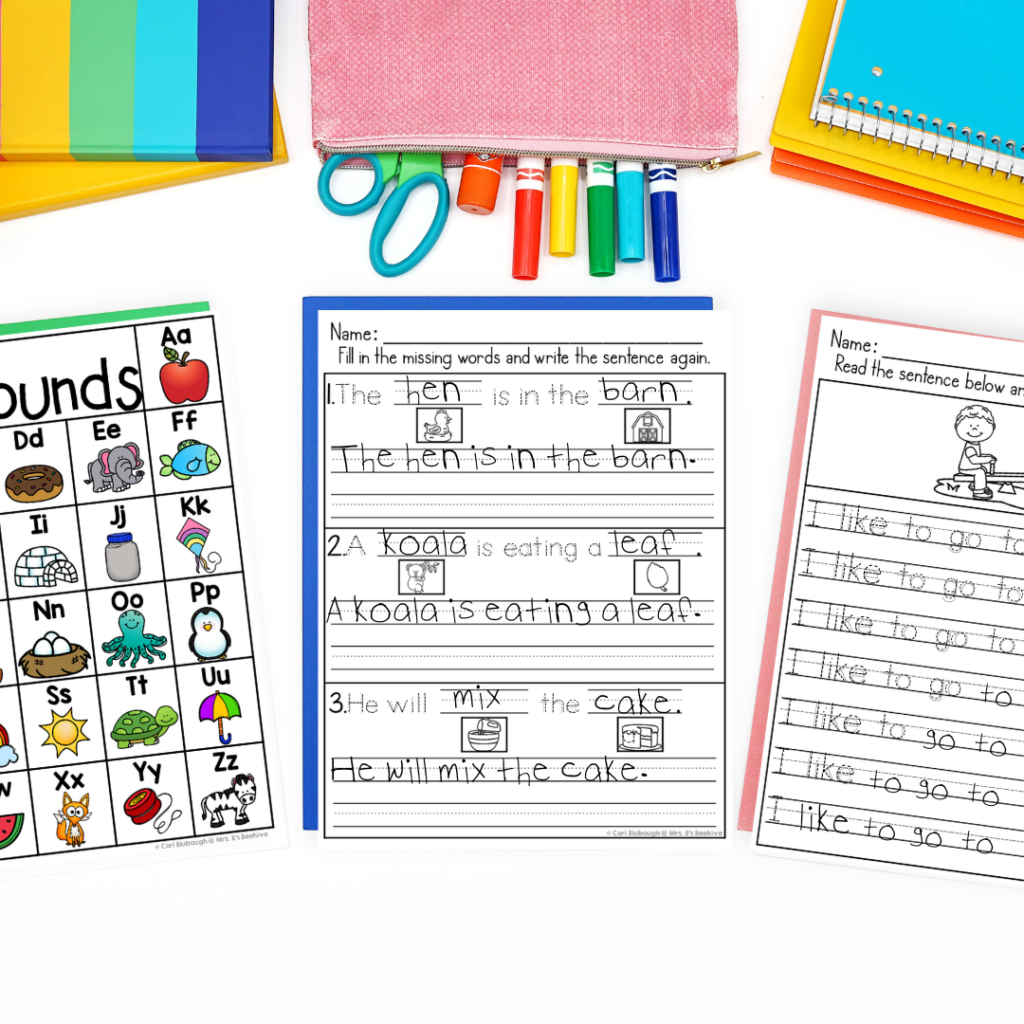
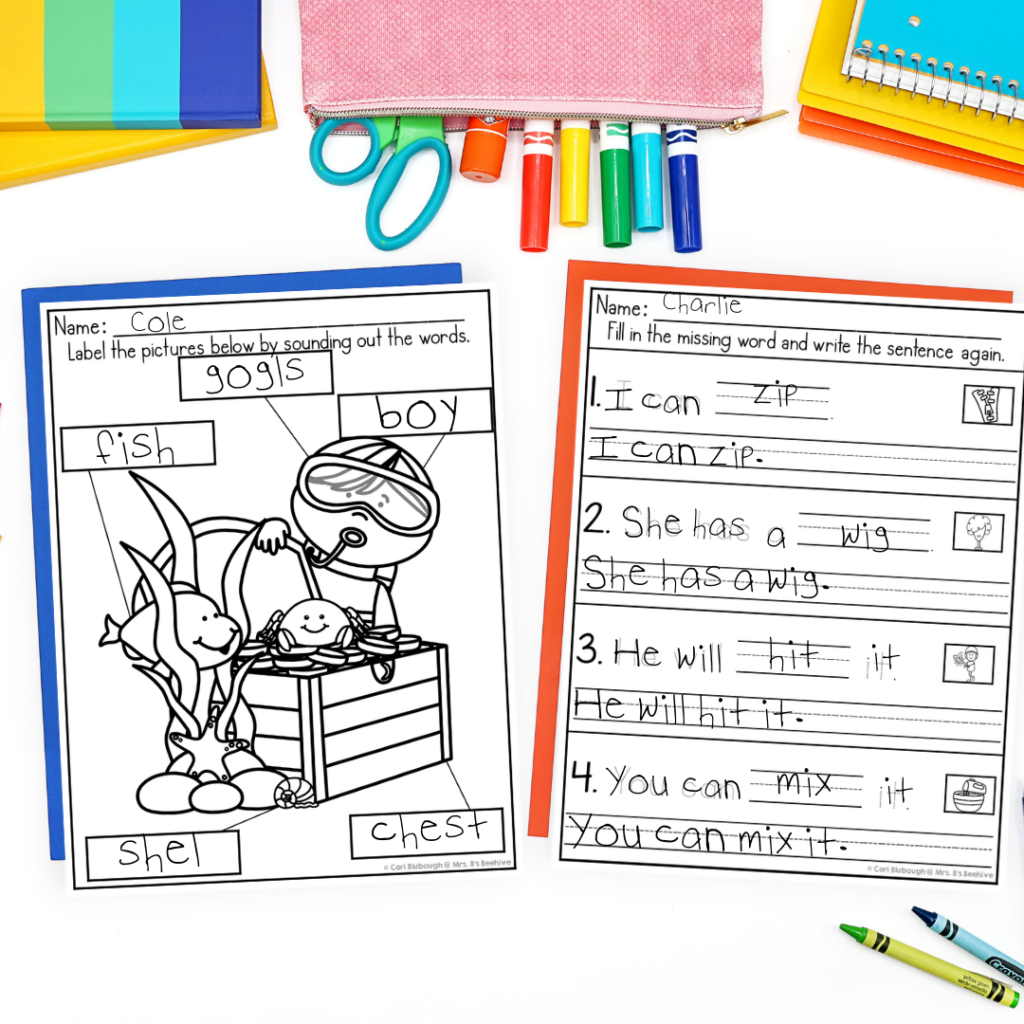
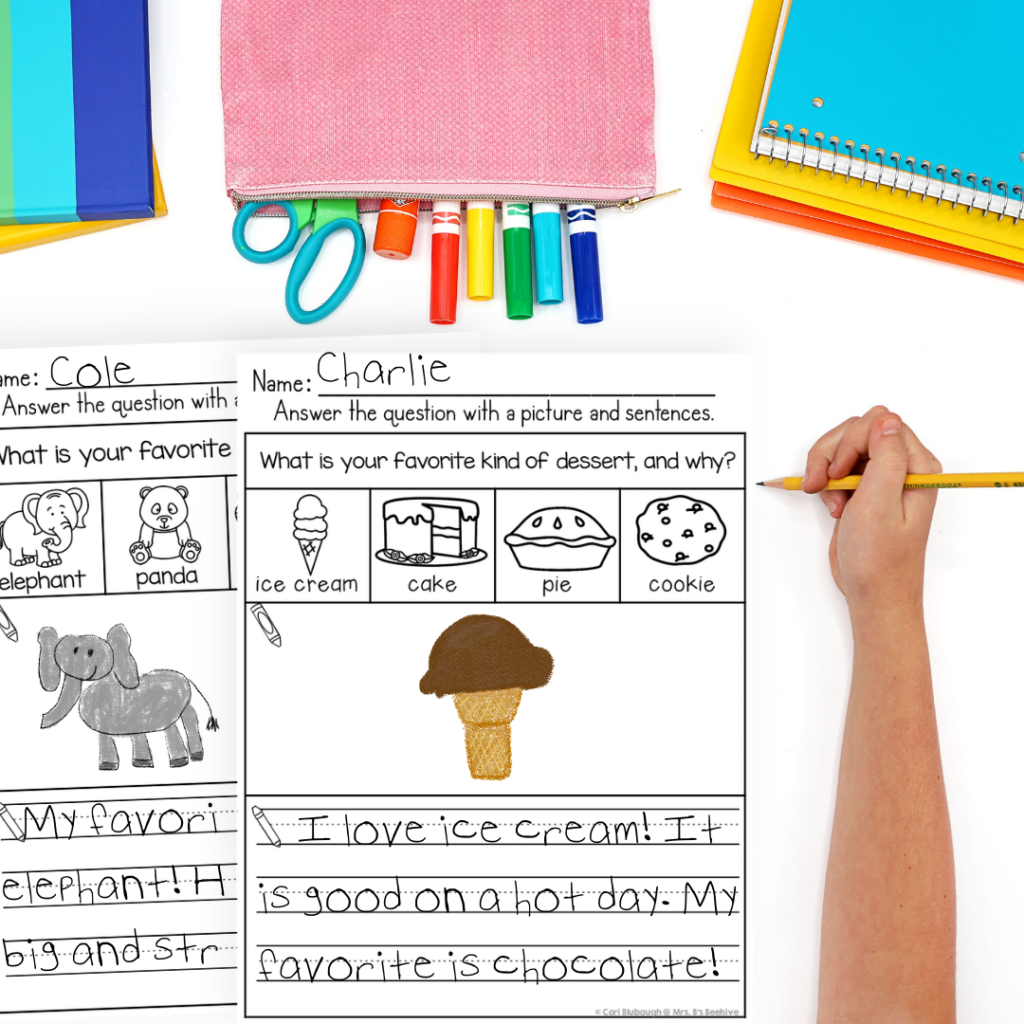
This guided practice gives them the assistance they need to take baby steps into the world of writing. Beginning writers are sometimes overwhelmed by a blank sheet in front of them, and this Beginning Writing Skills resource helps them to gain confidence in their writing.
I hope this post was helpful in offering ideas for building writing confidence in your kindergarten students! If you have any other tips or tricks that have worked for you, I would love to hear about them in the comments section below! Additional kindergarten writing resources are available on my website!