Assessments at the beginning of the school year can feel overwhelming for kindergarten teachers. There are so many foundational skills you need to check, and most of them require individual testing. During those first few weeks, you’re also building routines, helping students adjust to school, and learning about each child’s personality and learning style. It can quickly become a lot to manage!
That’s why kindergarten baseline assessments are so important. They help you quickly understand what your students already know and what skills they still need to develop. With this information, you can begin planning differentiated instruction right away.
With these challenges in mind, I created a set of back-to-school digital kindergarten baseline assessments designed specifically for the beginning of the school year. These Boom Card decks allow you to gather meaningful information about your students’ incoming skills while keeping the assessment process simple and engaging.
Beginning of the Year Skills
When I began creating these kindergarten baseline assessments, I started by writing down all the skills I hoped my students would already be familiar with when they entered kindergarten. Of course, every class is different. Some students arrive with strong academic foundations, while others may have had very little exposure to early literacy or math concepts.
That’s exactly why kindergarten baseline assessments are so helpful; they give you a clear starting point for your instruction.
I focused on building assessments around the most important beginning of the year kindergarten skills.
I started with letter recognition and letter sounds. These are essential early literacy skills and give you a clear picture of where students are in their phonics development. Some students will already recognize most uppercase and lowercase letters, while others may only know a few. Identifying these skills early helps you plan your phonics instruction and small group lessons.
You can watch the preview videos included with the decks to see exactly how the cards work and how students interact with them.
Letter Recognition
The letter recognition decks are one of the most important kindergarten baseline assessments in the bundle. It asks students to identify both uppercase and lowercase letters, allowing you to quickly determine which letters they recognize and which ones may need additional practice.
This type of baseline data helps you notice patterns as well. For example, some students may confuse letters like b and d or p and q, which is common in early readers.
Once you have this information, you can immediately begin planning targeted instruction and phonics activities to support your students.
Rhyming Words and Sight Words
Next, I created assessments for rhyming word recognition and sight word identification.
To be honest, I usually don’t have many students who have mastered these two skills at the very beginning of the year. However, including them in your kindergarten baseline assessments is still very valuable.
If a student already recognizes several sight words or can easily identify rhyming pairs, it’s a sign that they may need more advanced instruction right away.
Over the years, I’ve even had a few students come into kindergarten already reading at a second-grade level! While that’s exciting, it can also be challenging to keep those students engaged without early differentiation. Baseline assessments help you quickly identify students so you can plan enrichment opportunities.
Math Skills
Of course, literacy skills are only part of the picture. Strong kindergarten baseline assessments should also include foundational math concepts.
If most of my students come in already able to recognize numbers, write numbers, and count from 0–10, I feel like we’re starting the year on solid ground. And if they already know some teen numbers, that’s even better!
However, in most of my kindergarten classrooms, there are usually two to four students still developing number recognition up to 10. Identifying these students early through your kindergarten baseline assessments helps you provide extra support right away.
These early insights make it much easier to organize small group instruction, math centers, and intervention support.
Digital Kindergarten Baseline Assessments
One of the things I love most about these digital kindergarten baseline assessments is their flexibility. They can easily be used in a variety of classroom settings.
Students can complete the Boom Cards in a group setting, or you can have them work through the cards while sitting with you in the classroom. As students answer each question, you can observe their thinking and take notes about any areas where they may need extra help.
Another helpful feature is the reporting section on the Boom Learning platform. This area shows you how many cards each student answered correctly, giving you a quick overview of their understanding.
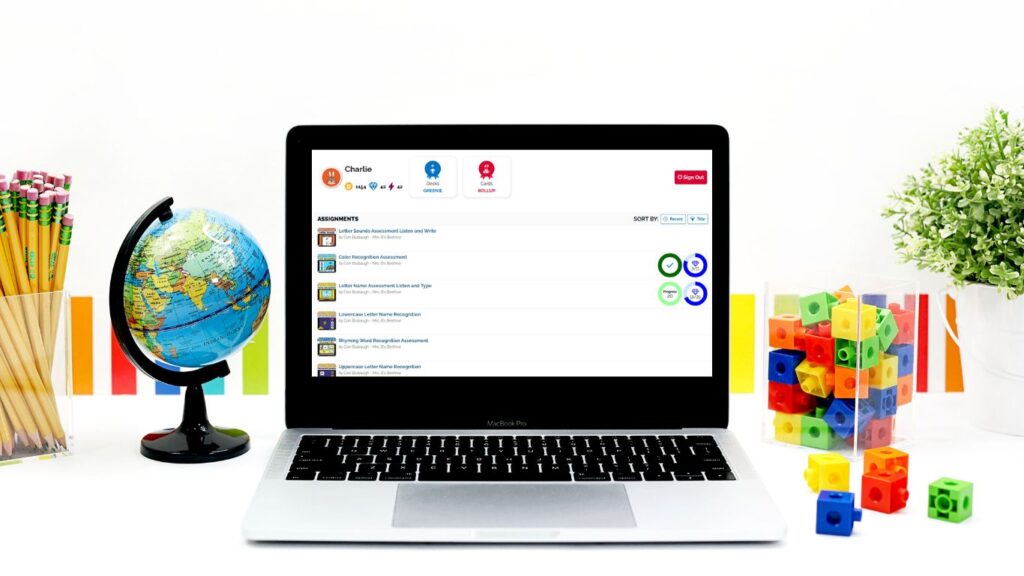
While the reports don’t show every specific letter or number a student missed, they still provide a clear snapshot of student progress across each skill area. This data becomes incredibly useful when planning:
- Small group instruction
- RTI or intervention groups
- Homework or additional practice
- Differentiated learning activities
Having access to this data early in the school year allows you to begin differentiated instruction immediately, helping every student start the year with the support they need.
Learn More About the Assessment Bundle
If you’re interested in using these kindergarten baseline assessments, you can explore the Kindergarten Beginning of the Year Assessment Bundle. The bundle is available on both Boom Learning and Teachers Pay Teachers, and each deck is also available individually on Boom Learning.
You can find the bundle here:
- Boom Learning – Beginning of the Year Assessment Bundle
- TPT – Beginning of the Year Assessment Bundle
I’d also love to hear your thoughts! Are there any other skills you include in your kindergarten baseline assessments at the start of the year?
If you’d like to learn more about using Boom Cards in your classroom, you might also enjoy these posts:
- How to Use Boom Cards in Your Classroom
- Kindergarten End of the Year Digital Assessments
- Easy and Effective Digital Sight Word Practice for Kindergarten
- CVC Words Practice with Boom Cards
- Using Boom Cards as a Classroom Center
Digital tools can’t replace great teaching, but they can definitely make kindergarten baseline assessments faster and easier, giving you more time to focus on what matters most—helping your students grow and succeed.
Check out these additiional back to school resources to get your year started out right!