When I first started teaching, quality science books for kindergarten were a little hard to find. I needed books that were appropriately leveled for young learners, filled with engaging photos and illustrations, and packed with just the right amount of information. Many nonfiction books were either too advanced or overly simplified, failing to provide meaningful learning opportunities.
Fortunately, over the last decade, there has been an explosion of high-quality science books for kindergarten. Publishers have recognized the importance of introducing science concepts to young learners, and there are now incredible options available for every topic imaginable. Whether you’re teaching about animals, weather, plants, force and motion, or life cycles, there are excellent books that can help bring your lessons to life.
When building my classroom library, I had to be intentional about which books I purchased first. Like most teachers, I couldn’t buy everything at once. Over time, I developed a system for choosing the best science books for kindergarten while staying within my budget. Here are the strategies I used to grow a science library that students love.
Books Linked to Specific Lessons
When I first began building the science section of my classroom library, I focused on purchasing books that directly supported the science standards I was required to teach.
These books served a clear purpose in my classroom. Before introducing a new science topic, I would read a related nonfiction book to build background knowledge and introduce important vocabulary. Then, we would revisit the book throughout the unit as students explored the concepts more deeply.


For example, if we were learning about plant life cycles, I would purchase a book specifically about how plants grow. If we were studying weather, I would add books about clouds, seasons, or storms. By purchasing science books for kindergarten that aligned with my curriculum, I was able to immediately use every book I added to my collection.
This strategy helped me build a strong foundation for my science library while ensuring that every purchase supported student learning.
Cross-Curricular Books
Once I had books for my core science units, I began looking for titles that connected science with other subject areas.
Some of the best science books for kindergarten don’t fit neatly into just one category. They naturally blend science with language arts, social studies, character education, or even math. These books provide opportunities to maximize instructional time while helping students make connections across subjects.
This is where year-long planning becomes especially valuable. When you know the themes and topics you’ll teach throughout the year, you can select books that support multiple learning goals.
For example:


- Follow the Moon Home can be used while studying sea turtles, animal conservation, Earth Day, and even moon-related concepts.
- Tops and Bottoms works well during plant units and provides opportunities to discuss story elements, character traits, and personification.
- The Tree Lady is a wonderful choice for Women’s History Month and supports lessons on habitats, environmental stewardship, and community change.
The best science books for kindergarten often spark meaningful discussions that go far beyond science standards. They expose students to rich vocabulary, encourage critical thinking, and help children see how science connects to the world around them.
This is where making a year-long plan really comes in handy. Combining the book Follow the Moon Home with learning about turtles, human impact on animals, Earth Day, and the moon makes it very versatile.
Books like Tops and Bottoms work well when talking about plants, but also animal personification. Science books provide an opportunity for interaction with rich vocabulary and concepts.
Tree Lady pairs perfectly with Women’s History Month, learning about habitats, and social change. If you take a step back and plan for an entire year or unit, you can find some great pieces of literature that tie everything together.
Student Interest Books
One of my favorite ways to grow my science library is by paying attention to what students are naturally curious about.
Every class has its own unique interests. Some years, my students are fascinated by dinosaurs. In other years, they become obsessed with volcanoes, sharks, insects, space, or specific animals. Whenever I notice a topic generating excitement, I try to add books that allow students to explore their interests further.
Student interest should play a role in selecting science books for kindergarten because curiosity is one of the most powerful learning tools we have. When children are excited about a topic, they are more likely to ask questions, engage with text, and retain new information.


Adding books based on student interests serves two important purposes:
- It expands your classroom science library for future students.
- It shows students that their interests matter and that learning can be driven by curiosity.
There is something special about surprising a student with a new book about their favorite animal or science topic. Those moments often create lifelong readers and learners.
What Makes a Great Science Book for Kindergarten?
As you build your collection, look for books that include:
- Clear, engaging photographs or illustrations
- Simple, age-appropriate text
- Strong nonfiction text features
- Rich academic vocabulary
- Accurate scientific information
- Topics aligned to kindergarten science standards
- Opportunities for discussion and hands-on learning
The best science books for kindergarten make complex concepts accessible while still encouraging students to think like scientists. They inspire observation, questioning, and exploration, skills that are essential for future success in science.
Check out my extensive list of science books for kindergarten below:
Building a Science Library One Book at a Time
Remember that building a collection of science books for kindergarten doesn’t happen overnight. Start with books that support your current curriculum, then gradually expand into cross-curricular titles and student-interest topics.
Over time, you’ll create a library filled with resources that support science instruction all year long while fostering a love of learning in your students.
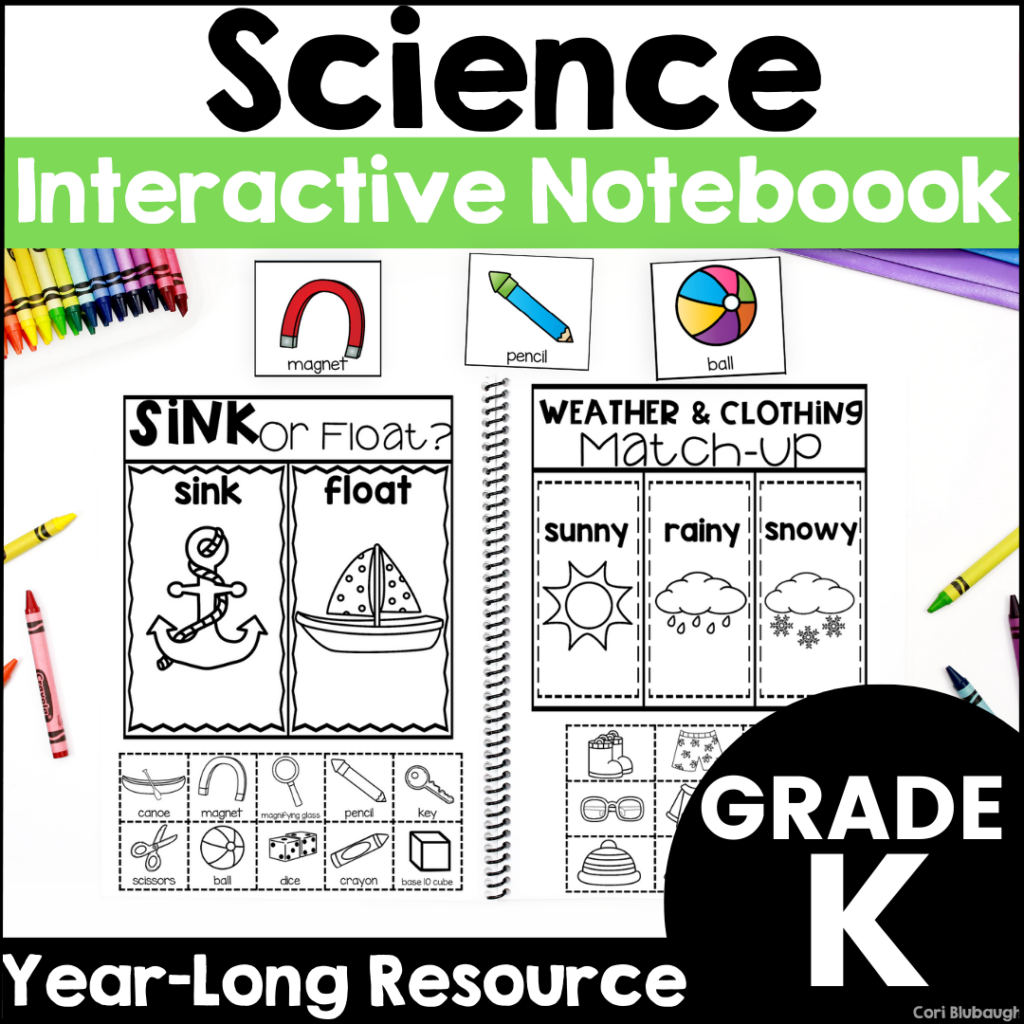
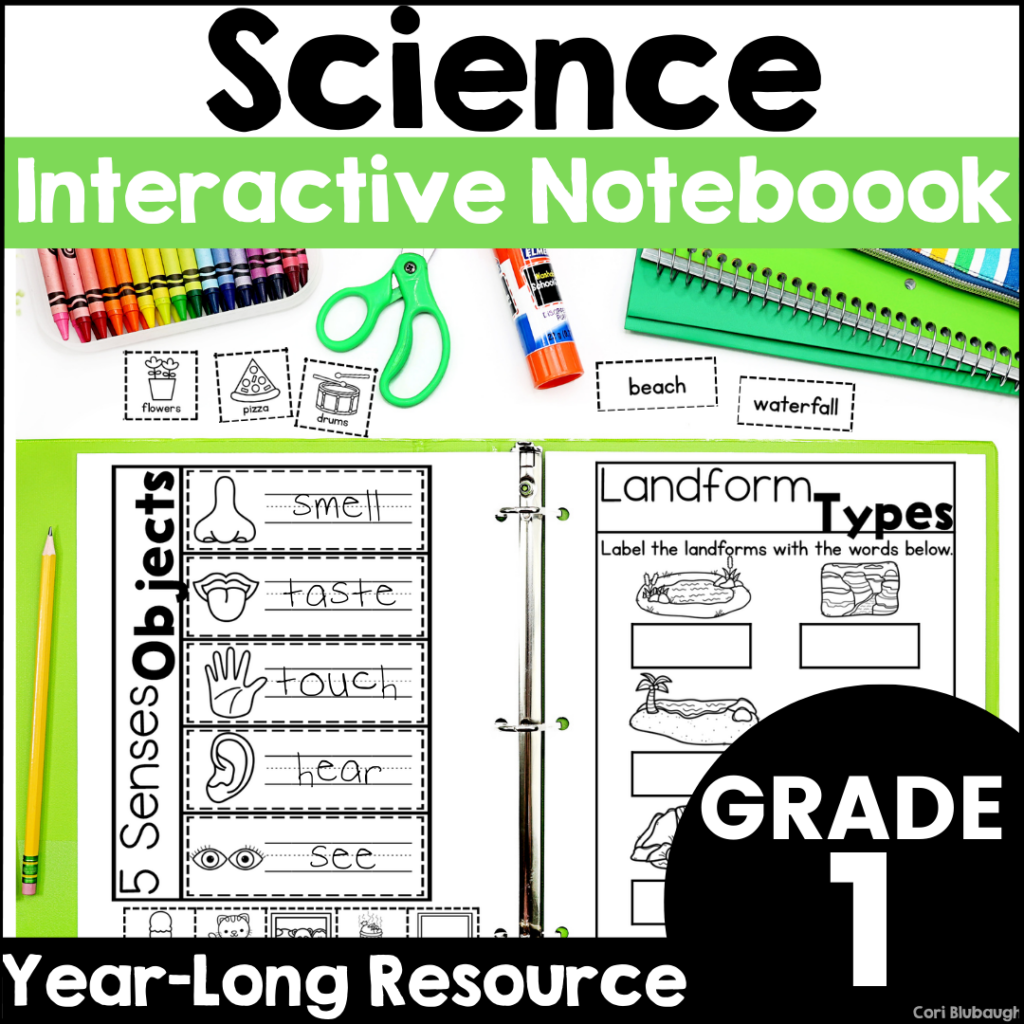
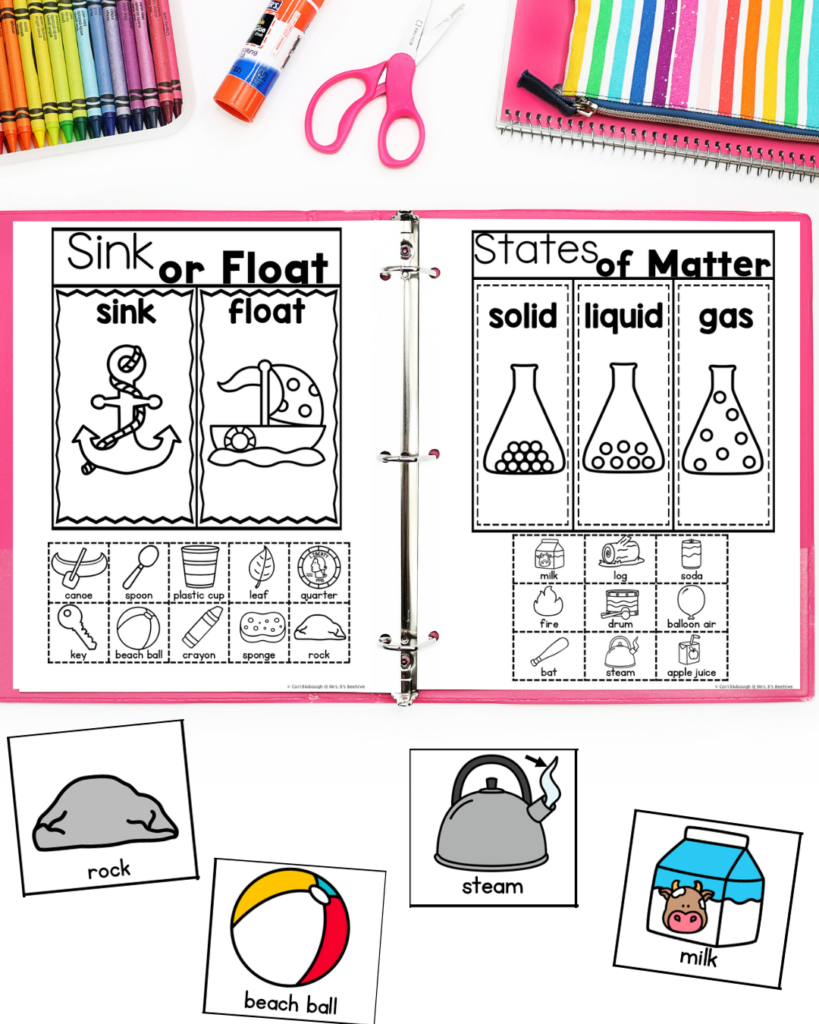
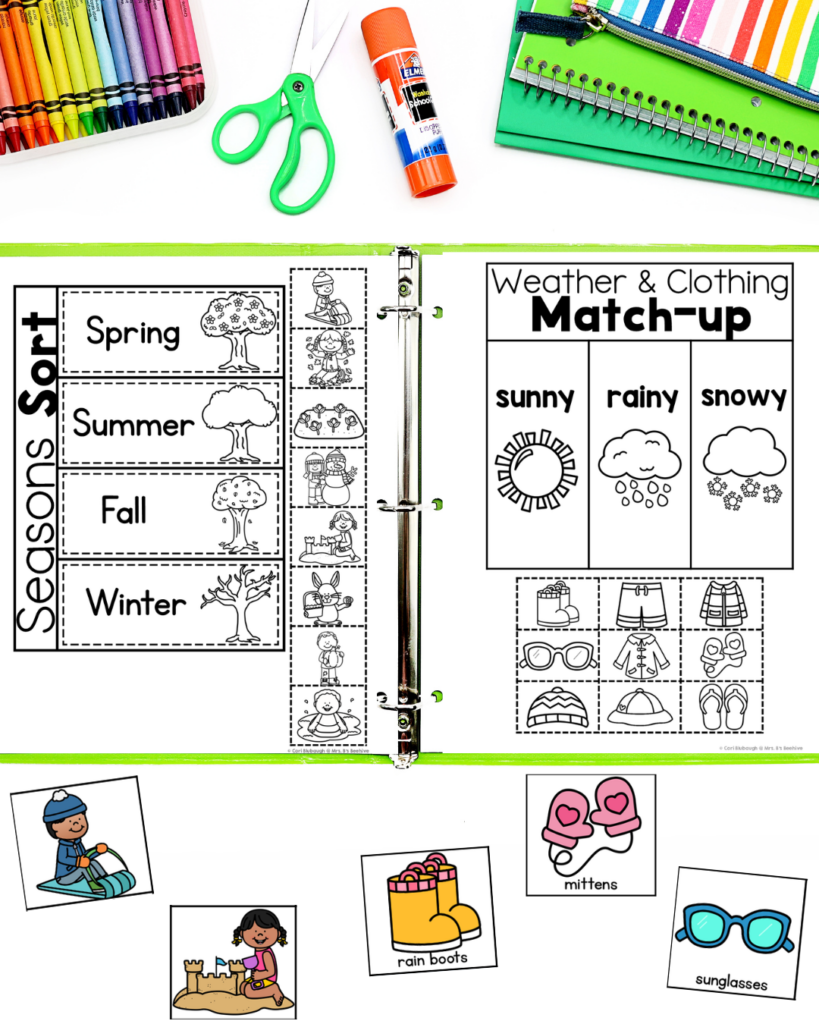
I love to pair high-quality science books with pages from my Kindergarten Science Interactive Notebook. You can create your own science curriculum by combining high-quality literature with this easy-to-use notebook! You can also find a lot more science resources on my website.
I’ve also created a comprehensive list of the best social studies books for kindergarten for you to use!
-

Kindergarten Science Interactive Notebook
$14.95 -
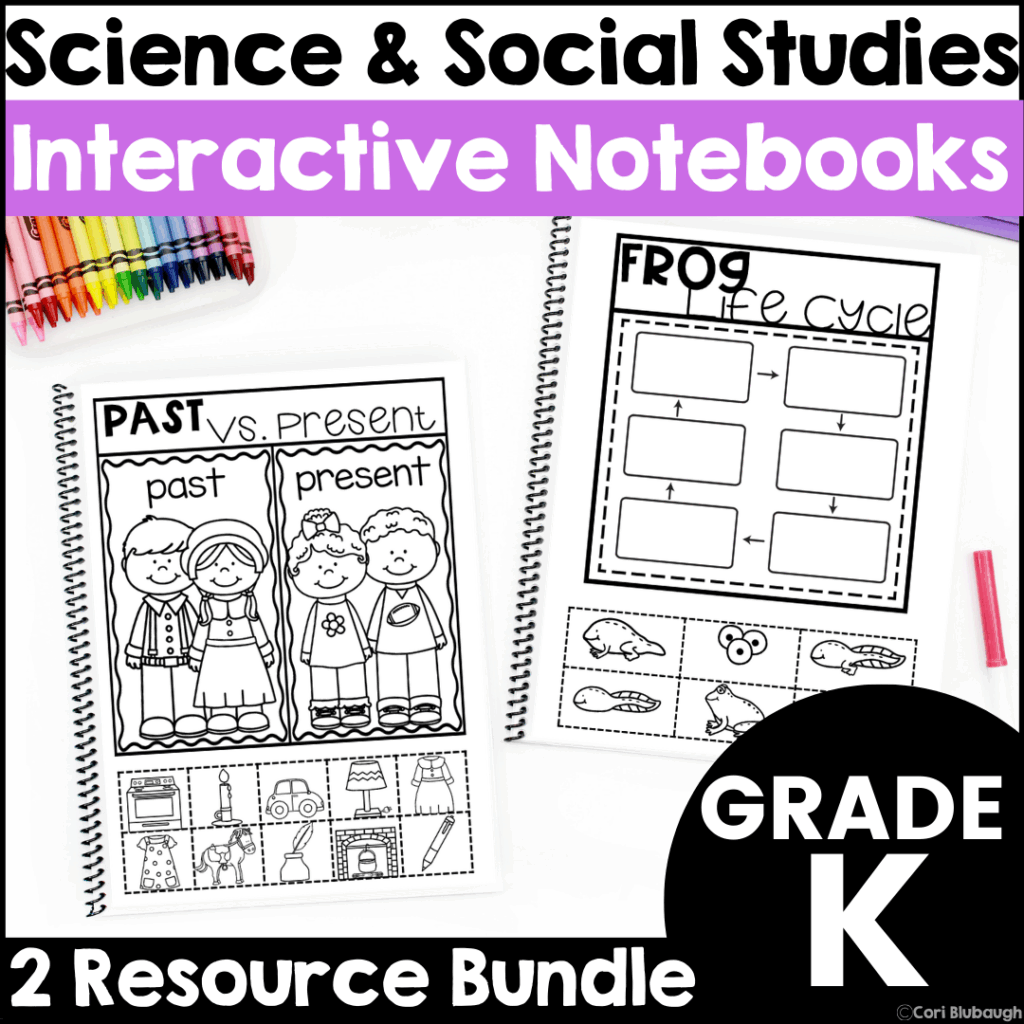
Science and Social Studies Interactive Notebook Bundle for Kindergarten
Original price was: $29.90.$26.67Current price is: $26.67. -
1st Grade Science Interactive Notebook
$14.95