
Have you ever felt overwhelmed by trying to organize all the individual data tracking points in your kindergarten classroom? In older grades, teachers can give a single test to their class to gain insight into their mastery of a concept.
In kindergarten, we have to pull each student individually. We test them on every single letter and number, along with (what feels like) 500 other things!
Data collection in kindergarten is a challenging task. Today, I wanted to provide you with some resources to make it a little easier. I also want to discuss how involving your students in this process can help them achieve their goals more quickly.
Student Buy-In
As teachers, we spend hours poring over data points. We try to find ways to increase scores and adapt our teaching to meet the needs of all students. While all of this is good and necessary, we will never truly achieve the results we wish for if we don’t involve the students in our goals.
I found an article from Mind Shift that I strongly recommend everyone read. It covers the benefits of involving students in your data-driven goals.
What I love most about this article is the emphasis on varied starting points within your classroom. On the first day, your kindergarten classroom will include students of varying levels. Some will have no letter or sound knowledge, while others will already be reading at a first-grade level.
The amount of support at home varies greatly. Preschool attendance is inconsistent. Meeting each child where they are when they step foot in your classroom is key. Sharing the growth they make throughout the year motivates them and pushes them forward. Mind Shift Writes:
“The most powerful determinants of student growth are the mindsets and learning strategies that students themselves bring to their work—how much they care about working hard and learning, how convinced they are that hard work leads to growth, and how capably they have built strategies to focus, organize, remember, and navigate challenges.”
Developing a Growth Mindset
I would argue that developing a growth mindset in kindergarten is fairly straightforward. Students are still in the developmental stage where everything is about them and how things affect them.
Teaching students that they have the power to learn new things and grow is extremely motivating and rewarding.
I know that many people would say this is overkill in kindergarten. I would argue that these routines and mindsets need to be developed right from the beginning of their school career (if not earlier).
One of the most powerful tools for developing a growth mindset is utilizing high-quality literature. Books focused on growth mindset and social-emotional skills help students envision themselves in roles of growth and change.
Individual Data Tracking Assessment Tools
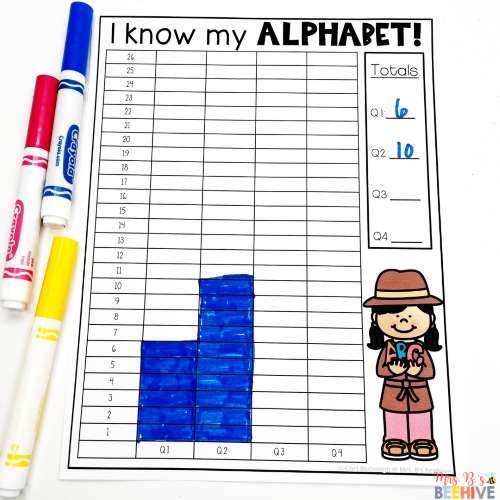
To help students stay on track with their goals, I have created simple individual data tracking worksheets that I use with them.
How I Use These in My Classroom
- Since kindergarten testing needs to be done individually. I decide what I want to track with my students and print up a tracking sheet for each child.
- I put them all in a folder next to my assessment folders that have my lists of letters, numbers, and phonemic awareness skills. etc.
- Before I test a child, I review their previous test results.
- After I am done testing, we review the results together, and the student colors in the new information.
- Lots of praise, stickers, etc. are given. This is when it’s essential to know each student’s intrinsic motivation.
- We set a new goal for the next quarter, month, or week. Whatever makes sense for the goal and the individual student.
- Each conference is done privately, and I don’t share information between students.
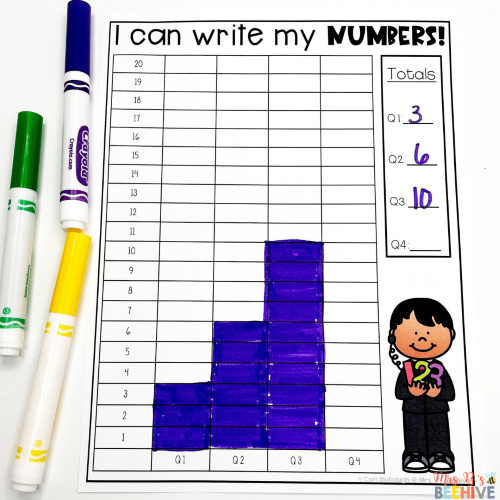
Even students who start in the lowest percentile will see improvement throughout the year.
I love these individual data tracking sheets because they have nothing to do with a student’s rank in the class and everything to do with their growth.
They are also easy to pull out during parent conferences to share the growth and goals with the family.
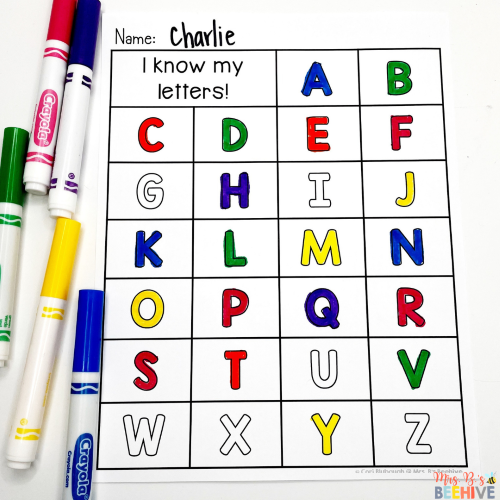
These goal-setting worksheets will help you to keep track of your students’ data and involve students in setting goals.
Celebrating Growth
After the students reach their goal, it’s essential to not only praise them but also get them started on their next goal right away!
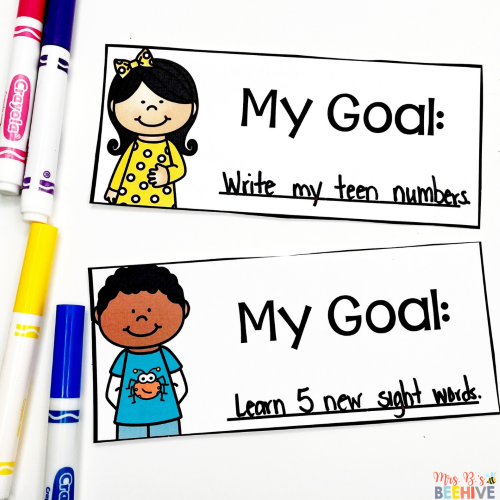
Praise can come in all forms, and you know what motivates your students the most. Stickers, candy, lunch with the teacher, prize box, the list goes on and on.
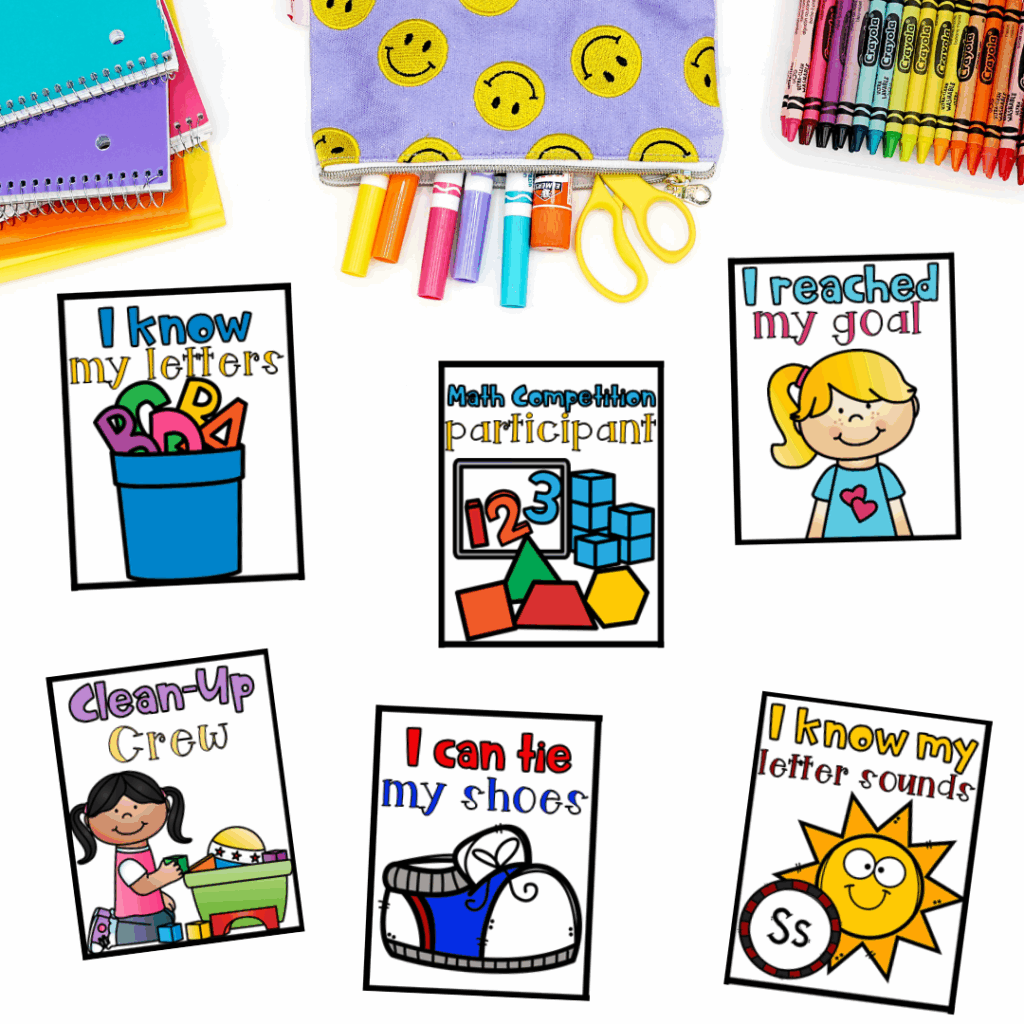
One thing I like to use in my classrooms is reward tags. The students collect them on a chain each time they pass a new goal.
These reward tags are made specifically for kindergarten. They cover both our academic goals and our social and fine motor ones as well.
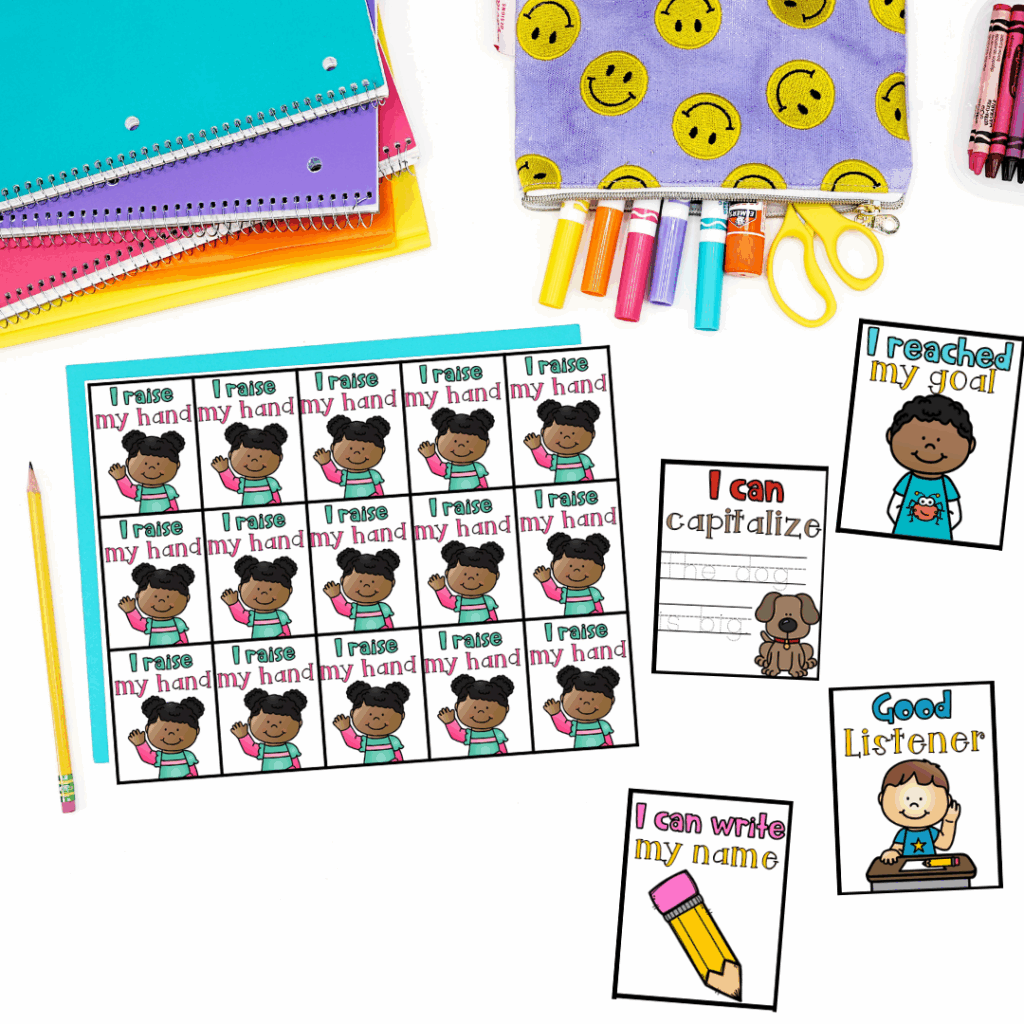
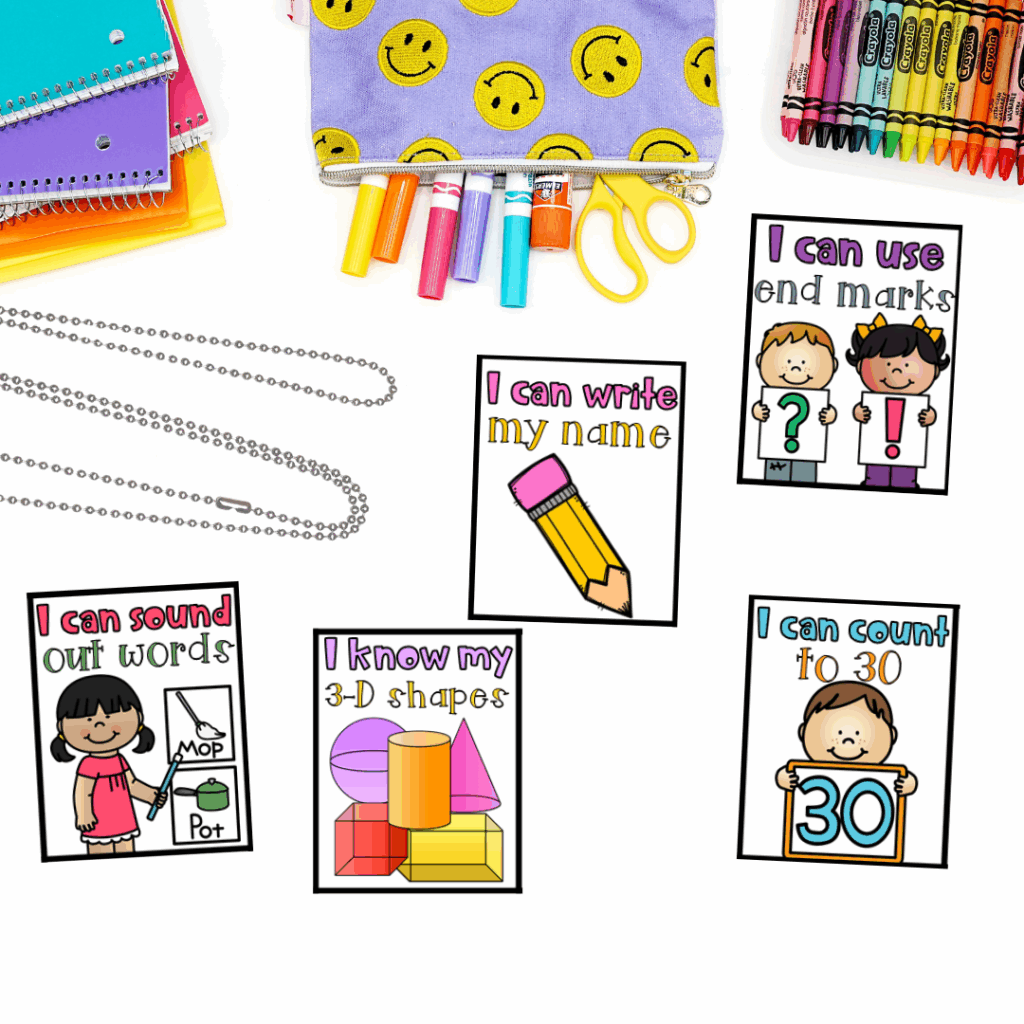
Setting goals and tracking data can be easy and fun in kindergarten! Students love to see their growth and work even harder when they have a clear idea of the goal they are aiming for.
Please let me know in the comments if you’ve done goal setting and data tracking with your students and how it has worked for you.